
Business
Nigeria’s petrol prices 55% cheaper than West African neighbors, says Dangote
Nigeria’s petrol prices 55% cheaper than West African neighbors, says Dangote
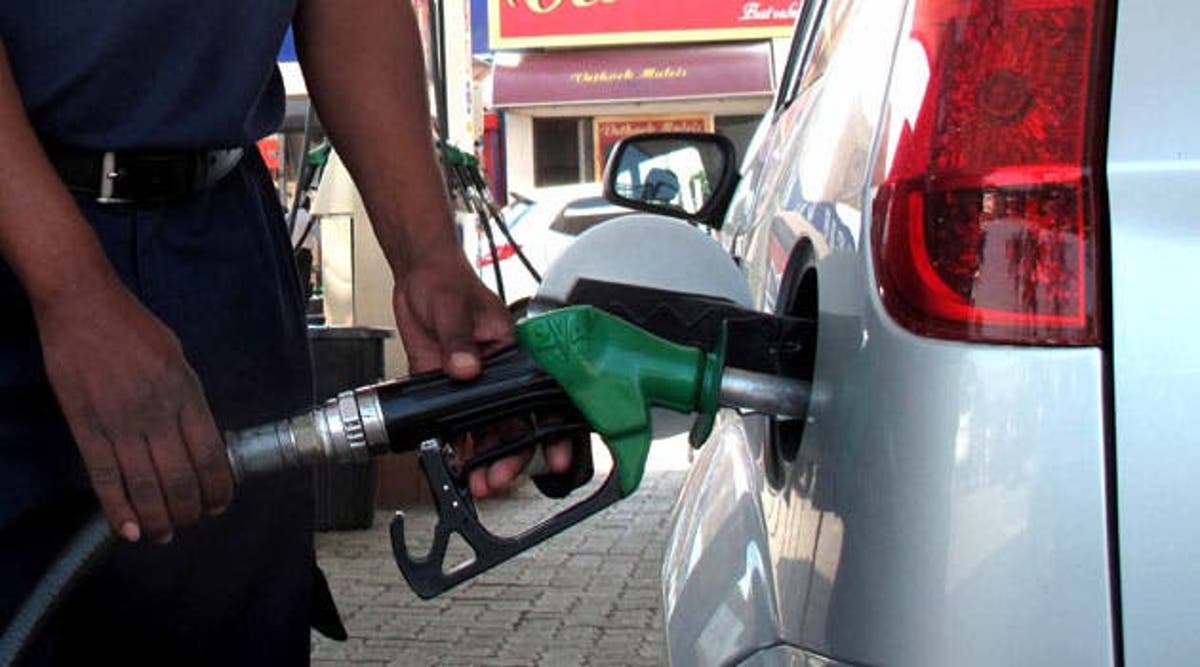
President of the Dangote Group, Aliko Dangote, has stated that Nigerians currently pay just 55 per cent of what citizens in other West African nations pay for Premium Motor Spirit (PMS), also known as petrol.
Speaking during a high-level visit by the President of the ECOWAS Commission, Dr. Omar Touray, to the Dangote Refinery, the billionaire industrialist explained that the operations of his 650,000 barrels-per-day refinery have already helped reduce the cost of petrol in Nigeria.
According to Dangote, the refinery supplies petrol at between ₦815 and ₦820 per litre, a move that has helped stabilize and lower market prices amid global oil volatility.
Noting that Africa will benefit greatly by encouraging trade among its countries, Dangote stressed how the refinery has helped Nigeria to bring down the cost of refined products and production costs across many sectors of the economy.
“Last year, when we began diesel production, we were able to reduce the price from N1,700 to N1,100 at a go, and as of today, the price has crashed further. This reduction has made a significant impact across various sectors. It has supported industries, benefited those of us in mining, and provided vital relief to the agricultural sector. The effect has been far-reaching,” he said.
He also noted that Nigerians are benefiting from local refining as the price of petrol has dropped significantly compared to neighbouring countries.
READ ALSO:
- Police arrest fake spiritualist for swindling businessman of N70m
- At least 31 Palestinians killed by Israeli fire while heading to Gaza aid hub
- Arab ministers denounce Israeli ‘arrogance’ over blocking West Bank visit
“In neighbouring countries, the average price of petrol is around $1 per litre, which is N1,600. But here at our refinery, we’re selling at between N815 and N820. Many Nigerians don’t realise that they are currently paying just 55 per cent of what others in the region are paying for petrol,” he noted.
Dangote disclosed that the refinery has “a much larger initiative in the pipeline, something we’ve not yet announced.” He told Nigerians to know that “this refinery is built for them, and they will enjoy the maximum benefit from it.”
Dangote, who led the ECOWAS delegation on a detailed tour of the facility, explained the challenges and milestones involved in bringing the world’s largest single-train refinery to life. He reiterated his longstanding position that Africa’s continued dependence on imported goods was unsustainable, as it hindered economic sovereignty.
“As long as we continue importing what we can produce, we will remain underdeveloped. This refinery is proof that we can build for ourselves at scale, to global standards,” it was stated.
He noted that the Dangote refinery is fully equipped to meet the petroleum needs of Nigeria and the entire West African region, countering claims that the facility could not produce enough for local and regional demand.
“There have been many claims suggesting that we don’t even produce enough to meet Nigeria’s needs, so how could we possibly supply other West African countries? But now, they (ECOWAS officials) are here to see the reality for themselves and, more importantly, to encourage other nations to embark on similarly large-scale industrial projects,” he said.
Dangote emphasised that price reduction was a direct result of local refining, which he said continued to improve fuel affordability while enhancing energy security and reducing dependence on imports.
In his comments, the ECOWAS Commission President reportedly declared the refinery a beacon of hope for Africa’s future and a clear demonstration of what the private sector can achieve in the drive for regional industrialisation.
“What I have seen today gives me a lot of hope, and everybody who doesn’t believe in Africa should come here. Visiting here will give you more hope because this is exactly what our continent should focus on.
READ ALSO:
- Russia addresses reports of recruiting Nigerians for drone factories
- WAEC: Parent hires thugs to assault vice principal for preventing cheating
- Air Force personnel get 100% increase in ration cash allowance
“We have seen something I couldn’t have imagined, and really, the capacity in all areas is impressive. We congratulate Alhaji Dangote for this trust in Africa because I think you do this only when you have the trust, and he has a vision for Africa, and this is what we should all work to encourage,” Touray was quoted.
The ECOWAS leader had noted that the refinery, which produces fuel to Euro V standard, is critical for enabling the ECOWAS region to meet its 50ppm sulphur limit for petroleum products – a standard he said many imported fuels fail to meet, posing health and environmental risks across member states.
“We are still importing products below our standard when a regional company such as Dangote can meet and exceed these requirements. The private sector must take the lead in ECOWAS industrialisation,” he advised.
The ECOWAS Commission President used the visit to call for stronger collaboration between governments and the private sector, stressing that policy decisions must reflect the real challenges and opportunities experienced by African industrialists.
“We believe our visit also serves as an opportunity to hear directly from Mr Dangote, about what the private sector expects from the ECOWAS community,” Touray explained, noting that as ECOWAS celebrates its 50th anniversary, the community is more committed than ever to bringing the private sector to the table, to listen to their perspectives, and to understand how best to create an environment that works for them.
“We cannot continue to make decisions on behalf of the private sector from a distance. Visits like this provide us with first-hand experience and direct insight into the challenges they face—challenges that authorities and government officials must work to address,” he added.
Touray said the time was ripe for the region to pursue an industrial strategy capable of addressing deep-rooted challenges such as youth unemployment, poverty, and insecurity.
He pledged the commission’s full support for enabling regional giants such as the Dangote Group to access wider ECOWAS markets and urged other African nations to follow Nigeria’s example by building infrastructure that serves the continent, not just individual countries.
“Once again, I congratulate the Dangote Group and commit that the ECOWAS commission will do everything to open up the ECOWAS market for them, if not the entire African continent,” he declared.
The delegation included ECOWAS Commissioner for Infrastructure, Energy and Digitalisation, Sediko Douka; Commissioner of Internal Services, Prof. Nazifi Darma; Director of Private Sector/SME, Dr Tony Elumelu; and Dr Touray’s Chief of Staff, Abdou Kolley, among others.
Nigeria’s petrol prices 55% cheaper than West African neighbors, says Dangote






Business
Middle East Crisis: Nigeria Records $4bn Oil Windfall
Middle East Crisis: Nigeria Records $4bn Oil Windfall
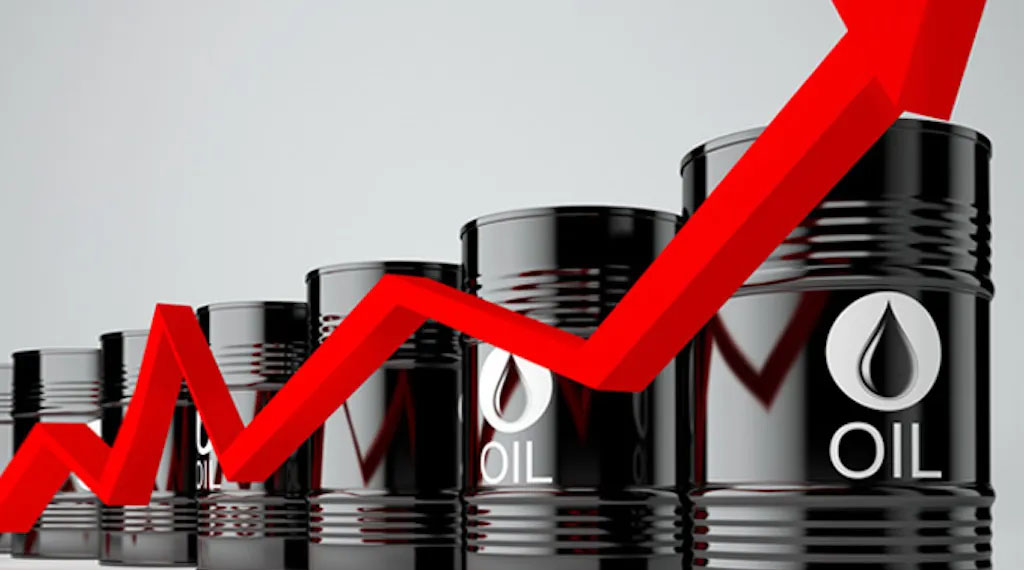
Nigeria and oil companies operating in the country have recorded an estimated $4 billion windfall following a sharp rise in global crude oil prices triggered by the ongoing US–Israel–Iran conflict, which has now lasted about seven weeks and continues to destabilize global energy markets.
The geopolitical tension, which reportedly began on February 28, has pushed oil prices higher amid fears of supply disruptions from the Middle East, a key global energy hub. As a result, Nigeria—one of Africa’s largest crude exporters—has benefited significantly from the rally in international oil markets.
The Central Bank of Nigeria data shows that before the conflict, Nigeria’s benchmark Bonny Light crude oil averaged $70.14 per barrel year-to-date. However, during the 52-day conflict period, the average price surged to $116.84 per barrel, representing a 66.6% increase in crude value.
This sharp rise coincided with improved production levels. Figures from the Nigerian Upstream Petroleum Regulatory Commission indicate that output increased from 1.483 million barrels per day in February to 1.546 million barrels per day in March, boosting Nigeria’s export earnings during the period.
Based on these figures, analysts estimate that at pre-crisis prices, Nigeria would have earned about $5.64 billion in 52 days, while post-crisis pricing pushed revenue to approximately $9.39 billion, resulting in an estimated $4 billion windfall for the government and oil companies.
READ ALSO:
- Nigeria Police Begins Probe of 167 Senior Officers Over Misconduct
- Naira Holds Steady in Official Market, Slides in Black Market
- Furious Rosenior Calls Out Chelsea Players After 3-0 Defeat to Brighton
Despite the gains, crude oil markets remain highly volatile. Bonny Light crude recently traded around $98 per barrel, rising from about $95 after diplomatic talks between the United States and Iran collapsed over the weekend. Earlier, prices had briefly dropped to around $90 per barrel after peaking near $100, as markets reacted to speculation of a potential breakthrough in negotiations.
Energy analysts say the market is being driven by geopolitical uncertainty, supply concerns, and speculative trading, with further volatility expected in the coming weeks.
According to energy expert and CEO of Petroleumprice.ng, Olatide Jeremiah, oil prices are likely to remain elevated due to ongoing instability.
He noted that the global oil market remains highly sensitive to geopolitical tensions, warning that rising crude prices could also impact Nigeria’s domestic economy. He explained that higher oil prices are likely to spill into the downstream sector, leading to increases in petrol (PMS) prices, transportation costs, and inflationary pressures on goods and services.
Similarly, the National President of the Oil and Gas Services Providers Association of Nigeria (OGSPAN), Mazi Colman Obasi, acknowledged that rising global energy costs could affect Nigeria’s economy. However, he noted that the impact may be moderated by domestic refining capacity, particularly the operations of the Dangote Petroleum Refinery (650,000 barrels per day), which is expected to reduce reliance on imported refined products.
Economists say the current windfall highlights both the opportunities and risks associated with Nigeria’s dependence on crude oil exports. While higher prices strengthen foreign exchange earnings, external reserves, and government revenue, they also expose the economy to global shocks that can quickly reverse gains.
Looking ahead, analysts warn that Nigeria’s oil earnings will remain closely tied to developments in the Middle East. If tensions persist, crude prices could remain elevated, further boosting revenue. However, any resolution to the conflict could lead to a rapid price correction.
For now, Nigeria stands among the key beneficiaries of the global energy shock, as the oil price surge continues to deliver unexpected fiscal gains amid ongoing geopolitical uncertainty.
Middle East Crisis: Nigeria Records $4bn Oil Windfall
Business
Naira Holds Steady in Official Market, Slides in Black Market
Naira Holds Steady in Official Market, Slides in Black Market
The Nigerian Naira continues to show mixed performance across the country’s foreign exchange segments on Wednesday, April 22, 2026, as traders monitor movements in the Nigerian Foreign Exchange Market (NFEM) and the parallel market for clearer direction.
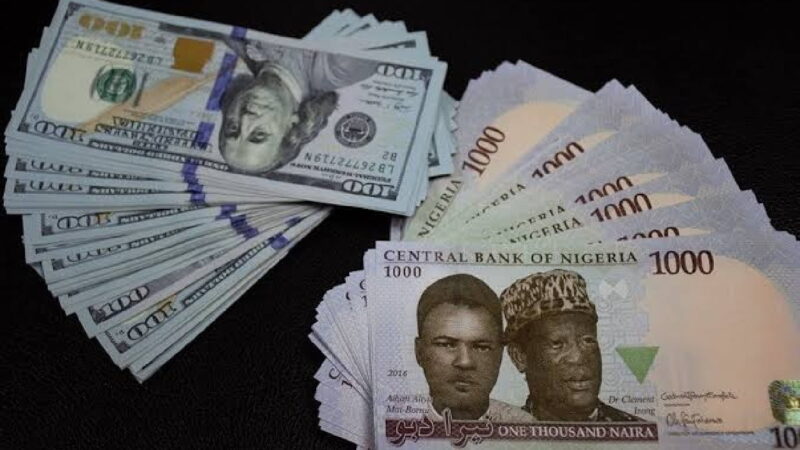
In the official window, early data indicates that the Naira is trading around ₦1,348.77 per $1, reflecting mild intraday volatility. The currency briefly strengthened to about ₦1,346.30/$ before settling in the mid-₦1,340 range. This trend suggests a phase of relative stability, supported by ongoing liquidity management efforts from the Central Bank of Nigeria.
The NFEM remains the primary channel for formal foreign exchange transactions, including import financing, corporate obligations, and government-backed allocations. Analysts note that the apex bank’s interventions—alongside improved FX inflows from oil receipts and remittances—have helped prevent sharper depreciation in recent sessions.
However, pressures persist beneath the surface. Market participants report that dollar demand continues to outpace supply in certain segments, particularly for invisible transactions, which has limited the Naira’s ability to record significant gains in the official market.
In contrast, the parallel market reflects stronger depreciation, highlighting sustained retail demand for foreign currency. Across major trading hubs in Lagos, Abuja, and Kano, the Dollar is currently exchanged between ₦1,450 and ₦1,470, depending on location and transaction size.
READ ALSO:
- Furious Rosenior Calls Out Chelsea Players After 3-0 Defeat to Brighton
- Insecurity in Nigeria: US Lawmaker Accuses Matawalle of Attempt to Silence Global Scrutiny
- Grand Chief Imam Visits DSS Director, Seeks Stronger Security Collaboration in Oyo
This widening gap between official and parallel market rates underscores structural challenges in Nigeria’s FX system. Many individuals and small businesses continue to rely on the informal market due to documentation requirements, access constraints, and delays associated with official channels.
Currency dealers attribute the elevated parallel market rates to:
- Persistent demand for travel allowances and school fees abroad
- Import-related pressures from small and medium-scale traders
- Speculative hoarding amid uncertainty about future FX supply
Economic observers also point to broader macroeconomic factors influencing the Naira’s trajectory. These include fluctuations in global crude oil prices—Nigeria’s primary source of foreign exchange earnings—as well as movements in external reserves and capital inflows.
While the official market shows signs of short-term consolidation, the parallel market remains highly sensitive to sentiment and liquidity shocks. Analysts warn that without a significant boost in dollar supply or structural reforms, the spread between both markets may persist.
Attention is now shifting to end-of-day data expected from the FMDQ Securities Exchange, which will provide a clearer picture of closing rates and trading volumes. These figures are likely to shape expectations for the Naira’s performance for the rest of the week.
For now, the outlook remains cautiously balanced. The Naira is holding relatively steady in the official window but continues to face underlying pressure in the parallel market, reflecting the ongoing tug-of-war between policy support and real demand dynamics.
Naira Holds Steady in Official Market, Slides in Black Market
Auto
Soueast Enters Nigeria with Robust SUV Portfolio, Sets Sights on Q3 Local Assembly

Soueast Enters Nigeria with Robust SUV Portfolio, Sets Sights on Q3 Local Assembly
Nigeria’s automotive landscape witnessed a significant shift on Wednesday as Soueast formally entered the Nigerian market, courtesy of the Kewalram Chanrai Group. The entry was marked by a media launch followed by a test drive of its full range of SUVs along the scenic Coastal Highway in Lagos, signalling a fresh wave of competition in the fast-evolving mobility space.
The high-profile event brought together dealerships, media, and auto enthusiasts, offering first-hand experience of the brand’s capabilities in real driving conditions.
Speaking at the launch, Chief Operating Officer, Mobility Division of Kewalram Chanrai Group, Mr. Anil Sahgal, described the move as a strategic response to changing consumer expectations in Nigeria.
“For over 165 years, Kewalram Chanrai Group’s reputation has been built on trust delivered through consistency,” he said. “Our decision to bring Soueast into Nigeria is deliberate. Today’s Nigerian customer is more informed and focused on long-term value. There is a growing demand for vehicles that combine modern design, safety, technology, durability, and affordability — and Soueast fits precisely into this space.”
READ ALSO:
- Peter Okoye Officially Changes Birthday Date Amid Renewed Tension in P-Square Family Rift
- ADC Crisis Deepens as Court Orders Detention of Factional Chairman in Kebbi
- LASTMA Intervenes as Tanker Kills Dispatch Rider in Lagos
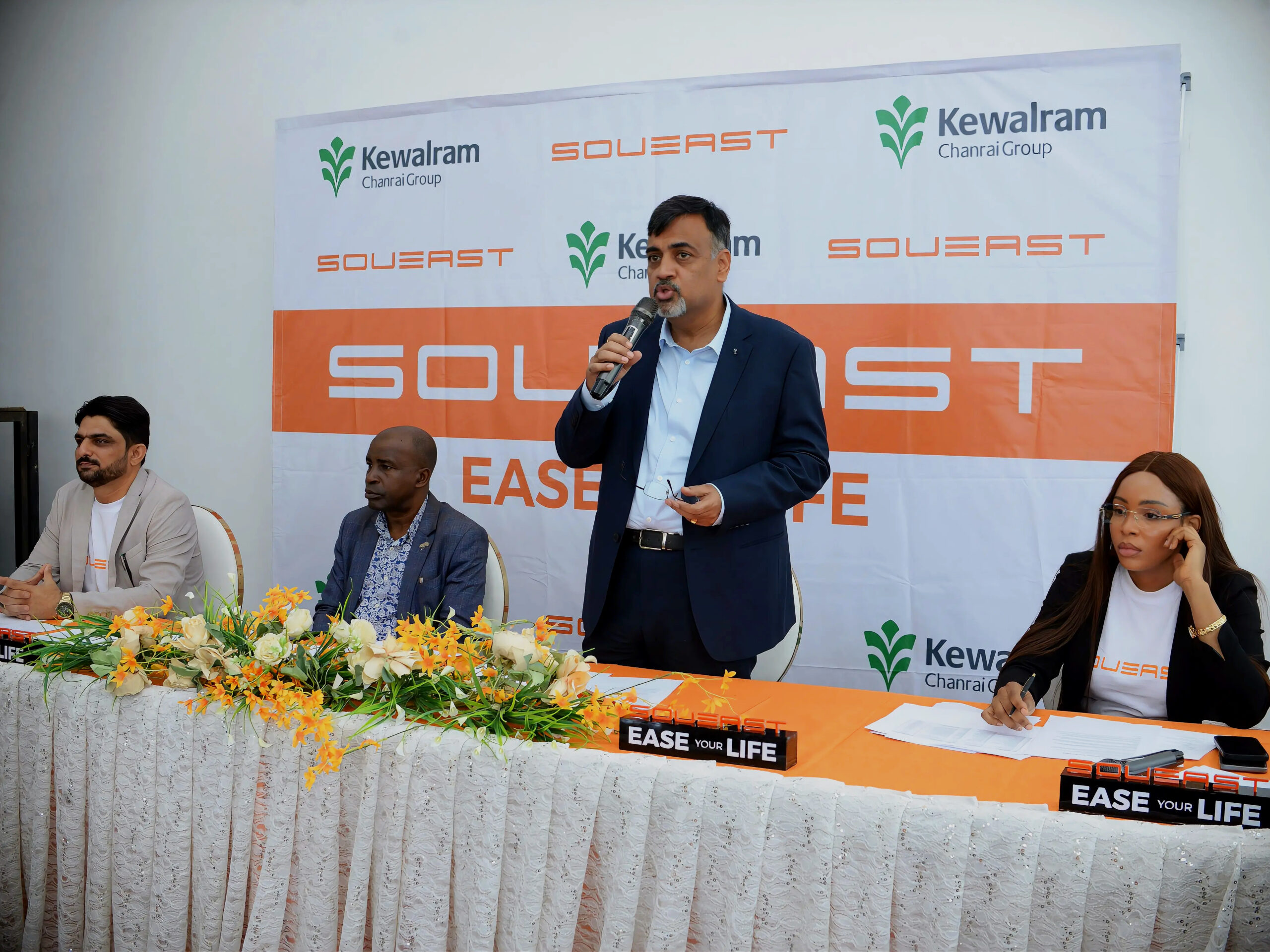
The COO emphasized that the company is not merely introducing a new brand but backing it with robust infrastructure, including a structured dealership network, strong after-sales systems, skilled technical teams, and a long-term investment approach.
He noted that the SUVs unveiled had been engineered with Nigerian realities in mind, addressing road conditions, fuel efficiency concerns, durability needs, and total cost of ownership.
“This is not just a product launch; it is the beginning of a long-term commitment to a market that demands resilience, value, and consistency,” he added. “Our vehicles are built on three pillars — product integrity, adaptability, and value sustainability.”
Sahgal also disclosed plans to commence local assembly of the vehicles by the third quarter of 2026, underscoring the group’s long-term commitment to the Nigerian market.
The highlight of the event was the test drive session along the Coastal Road, where participants assessed the performance, comfort, and handling of the Soueast range under real traffic and road conditions — a move widely seen as a confidence-building step by the company.
Soueast Enters Nigeria with Robust SUV Portfolio, Sets Sights on Q3 Local Assembly

-
 News16 hours ago
BREAKING: Tinubu Allegedly Shakes Up Cabinet, Removes Wale Edun, Ahmed Dangiwa
-

 Education2 days ago
FG Opens PTDF Scholarship 2026: Requirements, Deadline, and Application Steps
-
 News3 days ago
Yayi’s emergence, defining moment for unity, equity, progress — Ogun West Professionals
-
 Education3 days ago
Why UTME Results Were Delayed — JAMB Gives Official Explanation
-
 metro14 hours ago
Grand Chief Imam Visits DSS Director, Seeks Stronger Security Collaboration in Oyo
-
 Politics3 days ago
Shekarau, Gwarzo Dump PDP for APC in Kano Political Shake-Up
-
 metro1 day ago
Army Intercepts 314 Rounds of Ammunition, Arrests Terror Couriers in Kogi
-

 Entertainment2 days ago
Peller Faces Backlash Over Claim His ₦100m Savings Are Off-Limits