

News
Presidency replies W’Bank on 139 million Nigerians in poverty claim









metro
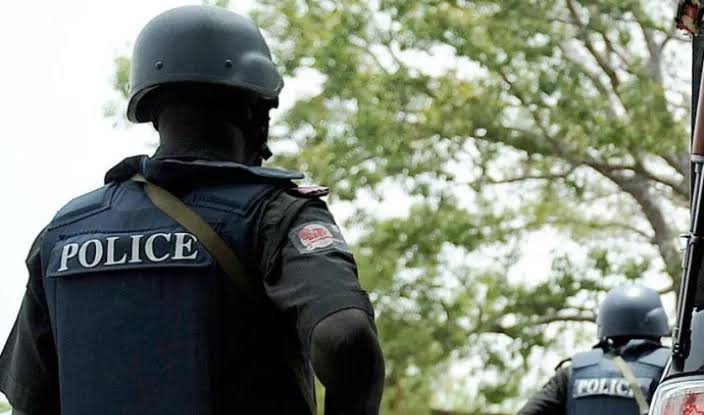
Katsina Police Rescue Two Kidnapped Women, Arrest Suspected Kidnappers
Katsina Police Rescue Two Kidnapped Women, Arrest Suspected Kidnappers
Two women have been rescued from armed bandits in Katsina State after police officers engaged their abductors in a gun battle.
The rescue was one of several operations announced by the Katsina State Police Command, which also reported the arrest of suspected members of a kidnapping syndicate and an alleged informant.
The two women were taken from Sha’iskawa Fulani Village in Kankia Local Government Area after bandits attacked the community.
Police operatives responded to the incident and exchanged gunfire with the attackers. The confrontation forced the bandits to withdraw, giving the officers an opportunity to rescue both victims unharmed.
Elsewhere in Dutsin-Ma, the police said they dismantled a three-member kidnapping syndicate during a patrol based on credible intelligence.
The operation was carried out by the command’s Violent Crime Response Unit.
Police alleged that one of those arrested admitted to conspiring with other members of the group to abduct his grandfather.
The older victim was said to have remained in captivity for 16 days. He was eventually released after his family paid ₦3 million to the kidnappers.
The suspects remain in custody while investigators examine their alleged criminal activities and search for other people connected to the syndicate.
Katsina Commissioner of Police Ali Umar Fage commended the officers involved in the operations and said the command would continue to intensify its fight against banditry and kidnapping.
In a statement issued by police spokesperson DSP Abubakar Sadiq, residents were encouraged to stay vigilant and provide security agencies with timely and reliable information.
The command said cooperation between communities and security agencies remains essential to tackling criminal networks and protecting residents across Katsina State.
Katsina Police Rescue Two Kidnapped Women, Arrest Suspected Kidnappers

Health
Adamawa Health Officials Report 20 Deaths from Suspected Diphtheria Cases
Adamawa Health Officials Report 20 Deaths from Suspected Diphtheria Cases
Parents and caregivers are advised to seek early medical help and update childhood vaccinations as response teams expand outreach.
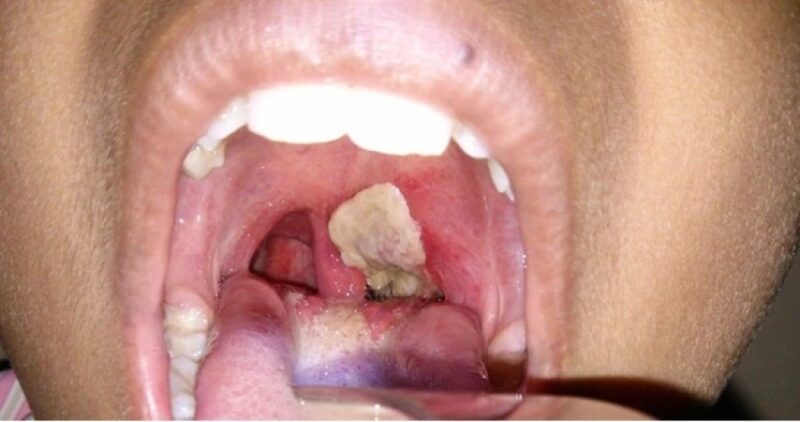
Health authorities in Adamawa State are responding to a diphtheria outbreak that has caused 20 deaths across 13 local government areas. Speaking on Wednesday, State Epidemiologist Jones Steven Kadabiyu confirmed that health workers have recorded 126 suspected cases throughout the state, with six patients currently receiving medical care in local hospitals.
Diphtheria is a serious bacterial illness that spreads through airborne droplets from coughing or close personal contact. It mainly affects the throat and airway, causing sore throats, mild fevers, swollen neck glands, and difficulty swallowing or breathing.
READ ALSO:
- Kara Bridge Repairs, Multiple Crashes Trigger 14-Hour Gridlock on Lagos-Ibadan Expressway
- 2027: Court Gives Atiku Seven Days to Serve Tinubu Through APC in Eligibility Suit
- 2027: Northern Students Back Tinubu, Pledge Campus-to-Campus Mobilisation
Health officials emphasized that the biggest risk to patients has been waiting too long to visit a health center, as some families try informal remedies at home first before seeking professional medical attention.
The state government is working alongside health partners to track new cases, provide specialized antibiotics and treatments, and protect medical workers and family members.
Officials stressed that while diphtheria can affect people of any age, young children are the most vulnerable to serious complications. Parents and guardians are strongly encouraged to ensure their children are up to date on their routine vaccines and to visit the nearest clinic immediately if anyone develops throat swelling or breathing issues.
Adamawa Health Officials Report 20 Deaths from Suspected Diphtheria Cases
News
Blue Line Rail, Hospitals Get Boost as Lagos Approves ₦200bn Bond and Budget Reordering
Blue Line Rail, Hospitals Get Boost as Lagos Approves ₦200bn Bond and Budget Reordering
Following Governor Sanwo-Olu’s request, the state legislature approves expanded capital financing for the final months of the fiscal year.
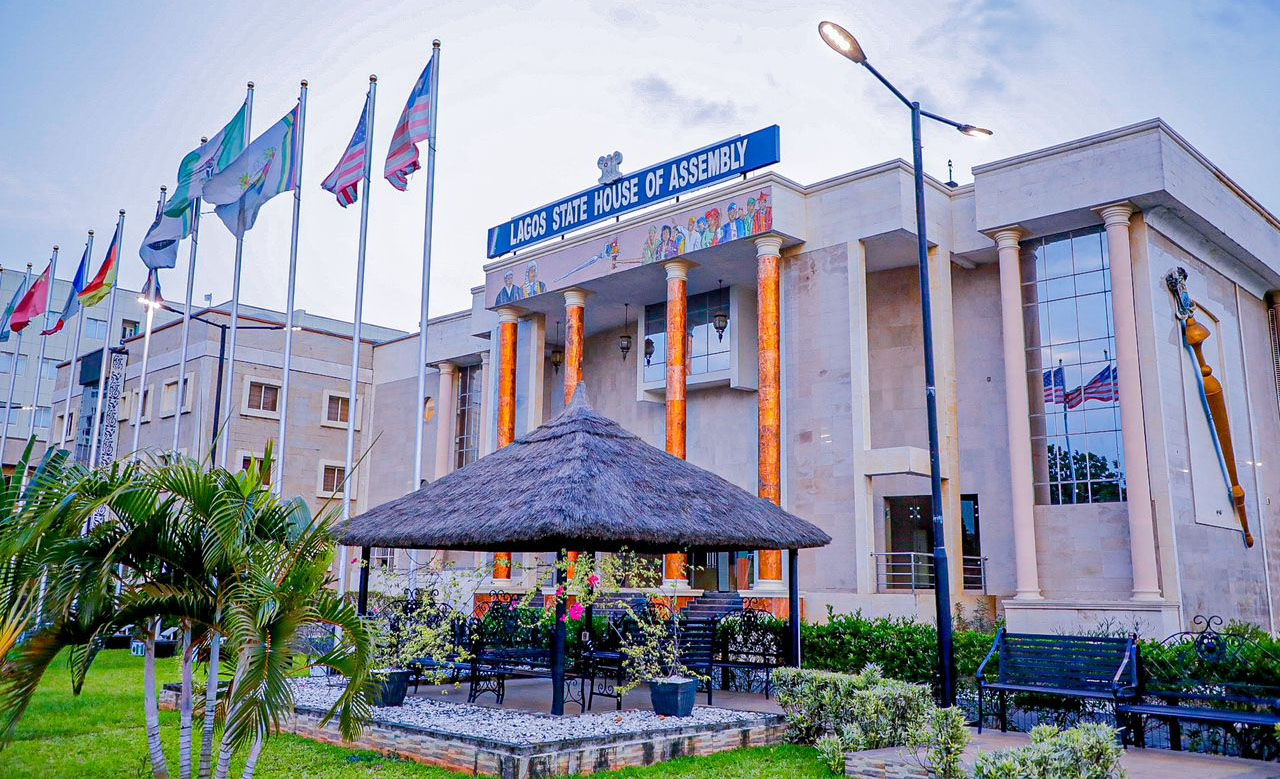
The Lagos State House of Assembly has approved changes to the state’s 2026 spending plan to speed up work on key community infrastructure, including public transit lines, general hospitals, and flood prevention systems.
The decision came after Governor Babajide Sanwo-Olu requested a review of the budget to make sure government funds are directed where they are needed most during the rest of the year.
To support these priority projects, lawmakers agreed to raise the state’s infrastructure bond from ₦150 billion to ₦200 billion. Budget committee chairman Lukmon Olumoh explained that this financial adjustment will help contractors finish essential public facilities faster.
The revised funds will help extend the Blue Line train service between Mile 2 and Trade Fair Station, complete the new Massey Street Children’s Hospital, and finish the 280-bed General Hospital in Ojo.
The amended plan also sets aside funds for fixing potholes on neighborhood roads, clearing drainage channels to prevent flooding, and buying new service vehicles for sanitation and traffic teams.
Lawmakers emphasized that legislative committees will closely monitor how these funds are spent to ensure projects are delivered on schedule and within clear standards. Speaker Mudashiru Obasa confirmed that the approved bill has been sent to the governor to be officially signed into law.
Blue Line Rail, Hospitals Get Boost as Lagos Approves ₦200bn Bond and Budget Reordering
-
 Politics2 days ago
2027: Northern Lecturers Back Tinubu, ASUU Disowns Endorsement
-

 metro2 days ago
Police Arrest Mother Over Alleged Brutal Abuse of 7-Year-Old Girl in Anambra
-

 Sports2 days ago
‘I Was Never the Chosen One’ — Dembele Responds to Mbappe
-
 News3 days ago
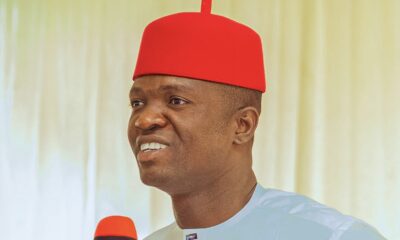
Nwifuru Dismisses Cubana Chief Priest as ‘Attention-Seeker’
-

 Education2 days ago
JAMB Moves 2027 UTME Time — Here’s What Candidates Need To Know
-
 Politics3 days ago
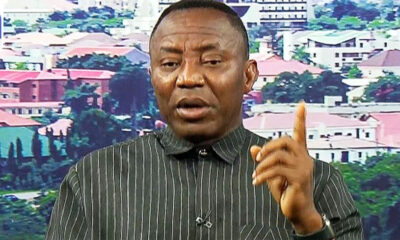
2027: Sowore Promises ₦500,000 Minimum Wage, Free Education, 24-Hour Electricity
-
 metro2 days ago
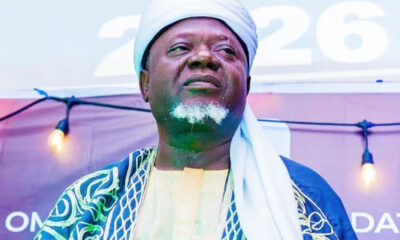
Grand Chief Imam calls for professional communication structure for Rabitoh 1964
-
 Politics1 day ago
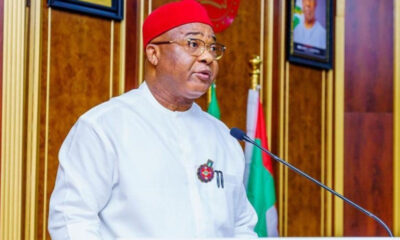
2027: APC Governors Reject Wike’s Rainbow Coalition, Insist on Party Loyalty