
metro
NDLEA nabs wanted drug lord at Lagos Airport en route Saudi Arabia

NDLEA nabs wanted drug Lord at Lagos Airport en route Saudi Arabia
The National Drug Law Enforcement Agency (NDLEA) has arrested a 40-year-old wanted drug baron, Yussuf Abayomi Azeez, at the Murtala Muhammed International Airport (MMIA), Ikeja, Lagos, while he was attempting to board a flight to Saudi Arabia for Umrah, the Muslim lesser pilgrimage.
In a statement issued on Sunday, the NDLEA’s Director of Media and Advocacy, Femi Babafemi, said Azeez’s arrest followed months of intensive intelligence gathering and surveillance on his drug trafficking activities.
According to Babafemi, the suspect had earlier been arrested and charged with drug offences in the United Kingdom but fled the country after jumping bail. Upon returning to Nigeria, Azeez reportedly established a large-scale clandestine laboratory in the Lekki area of Lagos for the production of Colorado, a potent synthetic cannabis, as well as other illicit drugs.
“At about 6:30 a.m. on Thursday, November 6, 2025, Yussuf walked into the waiting hands of NDLEA operatives at the Lagos airport while attempting to board his flight to Saudi Arabia for Umrah,” Babafemi said. “He was immediately taken to his residence at 17 Vincent Eku Street, Ogombo, Lekki, which had been under surveillance as a suspected drug laboratory.”
READ ALSO:
- Ned Nwoko calls for wife Regina Daniels’ rehabilitation over drug concerns
- Labour party dismisses APC’s mockery of Obi, says Nigerians still believe in Him
- UK warns citizens against travel to Nigeria over rising insecurity
During the operation, NDLEA agents, supported by personnel from the Directorate of Forensic and Chemical Monitoring, dismantled the laboratory and recovered a large cache of illicit substances, including Colorado weighing 148.3 kilograms, as well as precursor chemicals and equipment. Another suspect, 43-year-old Abideen Kekere-Ekun, was also arrested at the scene.
In a separate operation, NDLEA operatives, working alongside officers of the Nigeria Customs Service and other security agencies, uncovered 105.5 kilograms of “Molly” (designer drug) and 500 grams of methamphetamine during a joint examination of a shipment at the Sifax Bonded Terminal in Okota, Lagos, on Friday, November 7.
The agency also recorded significant seizures in other parts of the country. In Niger State, operatives intercepted Ibrahim Mohammed, 35, on Thursday, November 6, along the Kainji–Wawa road with 87,000 tramadol pills and 72 kilograms of skunk concealed in a Volvo truck marked GRZ 872 XA.
Similarly, along the Zaki-Biam–Wukari road, NDLEA officers arrested Aliyu Samaila, 25, on Monday, November 3, with 34,520 tramadol capsules hidden in various compartments of a Toyota Corolla marked GAN 102 AR. The drugs were reportedly being transported from Onitsha, Anambra State, to Cameroon.
In another operation in Taraba State, operatives on Thursday, November 6, apprehended Felix Tanko Chinedu, 28, with 15,020 capsules of tramadol at Kasuwabera ATC in Ardo Kola Local Government Area.
Babafemi reaffirmed the agency’s commitment to dismantling drug syndicates across the country and bringing their masterminds to justice.
NDLEA nabs wanted drug Lord at Lagos Airport en route Saudi Arabia







metro
General Rabe’s Death: Tinubu Vows No Negotiation With Terrorists

General Rabe’s Death: Tinubu Vows No Negotiation With Terrorists
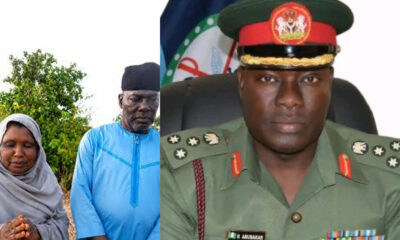
The death of retired Major-General Rabe Abubakar in the hands of his abductors has triggered renewed national outrage over Nigeria’s worsening security crisis, with President Bola Ahmed Tinubu vowing that his administration will never negotiate with terrorists or release detained suspects in exchange for hostages.
The retired senior military officer, who once served as Director of Defence Information, died while in captivity nearly two weeks after he was kidnapped alongside his wife in Katsina State.
According to the Katsina State Government, the former general succumbed to health complications linked to diabetes and hypertension while being held by armed bandits. His wife remains in captivity, with security agencies continuing efforts to secure her freedom.
Major-General Abubakar and his wife were travelling to their hometown on May 30 when gunmen ambushed their vehicle along the Marabar Musawa–Kafinsoli road in Katsina State. Reports indicate that the attackers intercepted the vehicle, shot and injured the driver, and whisked the couple away into a forest hideout.
Subsequent investigations by state authorities suggested that the retired military officer and his wife may have been tracked from Kaduna before the attack, raising concerns that the operation was carefully planned by the kidnappers. The abduction shocked many Nigerians, particularly because of General Abubakar’s long service record and contributions to the Nigerian Armed Forces.
READ ALSO:
- Two Students Arrested Over Killing of Biochemistry Undergraduate at PAAU
- Tension Rises as Fulani Herders Reportedly Leave Southern Communities
- Recruitment: CDCFIB Releases Successful Immigration, NSCDC, Fire Service Applicants
About a week after the kidnapping, a video emerged online showing the retired general and his wife appealing for help while in captivity. In the footage, the kidnappers reportedly demanded the release of three detained members of their gang as a condition for freeing the couple. They also sought the return of livestock allegedly seized during security operations. The demands sparked fresh debate over whether governments should negotiate with terrorists and bandits to secure the release of hostages.
Reacting to the retired general’s death, President Tinubu said the Federal Government would not yield to pressure from terrorist groups seeking the release of suspects currently in custody. In a statement issued by his Special Adviser on Information and Strategy, Bayo Onanuga, the President declared that while the terrorists had done their worst, the government would never bow to their demand to release their members.
Tinubu reiterated his administration’s commitment to defeating terrorism, banditry and kidnapping across the country. He also referenced his Democracy Day address, warning criminal groups to surrender or face intensified military action.
“Bandits, kidnappers and sponsors of terror should now surrender or face the full force of the Nigerian State. These windows of surrender will not remain open forever. No mercy will be shown to those who trade in the blood of Nigerians,” the President said.
According to Tinubu, the death of General Abubakar should strengthen Nigeria’s resolve to confront terrorists without compromise and reinforce the nation’s determination never to negotiate with groups that threaten its security and stability.
The tragedy comes amid growing concerns about the spread of kidnapping, banditry, and terrorism in Nigeria. Security experts have warned that criminal groups are increasingly targeting high-profile individuals, community leaders, government officials and security personnel.
Recent incidents involving the abduction of schoolchildren and teachers in parts of Oyo State have further heightened fears over the expanding reach of armed groups beyond the country’s traditional conflict zones. Analysts say the death of the retired general underscores the urgent need for stronger intelligence gathering, enhanced surveillance capabilities and more coordinated security operations nationwide.
President Tinubu extended condolences to the family of the deceased officer, the Katsina State Government, and the Nigerian Armed Forces. Many serving and retired military officers have also paid tribute to General Abubakar, describing him as a patriotic soldier who dedicated decades of service to defending Nigeria.
His death has renewed calls for intensified efforts to dismantle terrorist and bandit networks operating across the country and to secure the release of all Nigerians currently being held captive. As the nation mourns, attention is now focused on ongoing efforts to rescue his wife and prevent similar tragedies in the future.
General Rabe’s Death: Tinubu Vows No Negotiation With Terrorists
metro
Two Students Arrested Over Killing of Biochemistry Undergraduate at PAAU

Two Students Arrested Over Killing of Biochemistry Undergraduate at PAAU
The management of Prince Abubakar Audu University (PAAU), Anyigba, Kogi State, has confirmed the arrest of two students in connection with the death of David Solomon, a 300-level Biochemistry undergraduate of the institution.
The Vice-Chancellor, Prof. Salisu Usman, disclosed this on Saturday during a condolence visit to the family of the deceased in Lokoja, assuring that those responsible for the killing would be fully prosecuted.
According to the Vice-Chancellor, the suspects were initially apprehended by the university’s internal security team shortly after the incident occurred within the campus environment. He explained that the suspects were later handed over to law enforcement agencies for further investigation and possible prosecution.
Security sources within the institution confirmed that the arrests were made following a swift internal response after the incident was reported, amid growing concerns over student violence and cult-related activities in the area.
Prof. Usman said the university is working closely with security agencies to ensure a thorough investigation into the circumstances surrounding the death of the student. He added that efforts are ongoing to identify all individuals connected to the incident, whether directly or indirectly, stressing that no suspect would be shielded.
The Vice-Chancellor described the killing as “tragic and unacceptable,” noting that it had thrown the entire university community into mourning.
READ ALSO:
- Tension Rises as Fulani Herders Reportedly Leave Southern Communities
- Recruitment: CDCFIB Releases Successful Immigration, NSCDC, Fire Service Applicants
- Boko Haram Torches Schools in Borno, Residents Escape Into Bush
The university management reiterated its firm stance against cultism, violent conduct, and criminal activities, warning that such behaviour would not be tolerated within the institution.
Prof. Usman also revealed that security surveillance had been intensified across the campus, with additional measures introduced to prevent a recurrence of similar incidents. According to him, the institution is reviewing its internal security architecture and preparing further reforms aimed at strengthening safety within and around the university.
The Vice-Chancellor commended the support of Kogi State Governor Ahmed Ododo, traditional rulers, and security agencies in maintaining peace around the university community. He also assured parents, guardians, and students that the institution remains committed to providing a safe environment for teaching, learning, and research.
Responding, the father of the deceased, Mr. Solomon Idachaba, thanked the university management for the condolence visit and praised the swift arrest of the suspects. He expressed appreciation for the institution’s commitment to ensuring justice and called for a thorough investigation into the circumstances surrounding his son’s death.
The incident comes amid growing concern over student-related violence and cult activities in Anyigba and within PAAU. Reports indicate that David Solomon was killed during events linked to graduation signing-out celebrations on campus, an incident that sparked panic and outrage among students and residents.
Another student was also reportedly attacked in a separate incident, further heightening tension within the university community. Security agencies are continuing investigations as authorities work to restore calm on campus and prevent further escalation.
Two Students Arrested Over Killing of Biochemistry Undergraduate at PAAU
metro
Tension Rises as Fulani Herders Reportedly Leave Southern Communities
Tension Rises as Fulani Herders Reportedly Leave Southern Communities
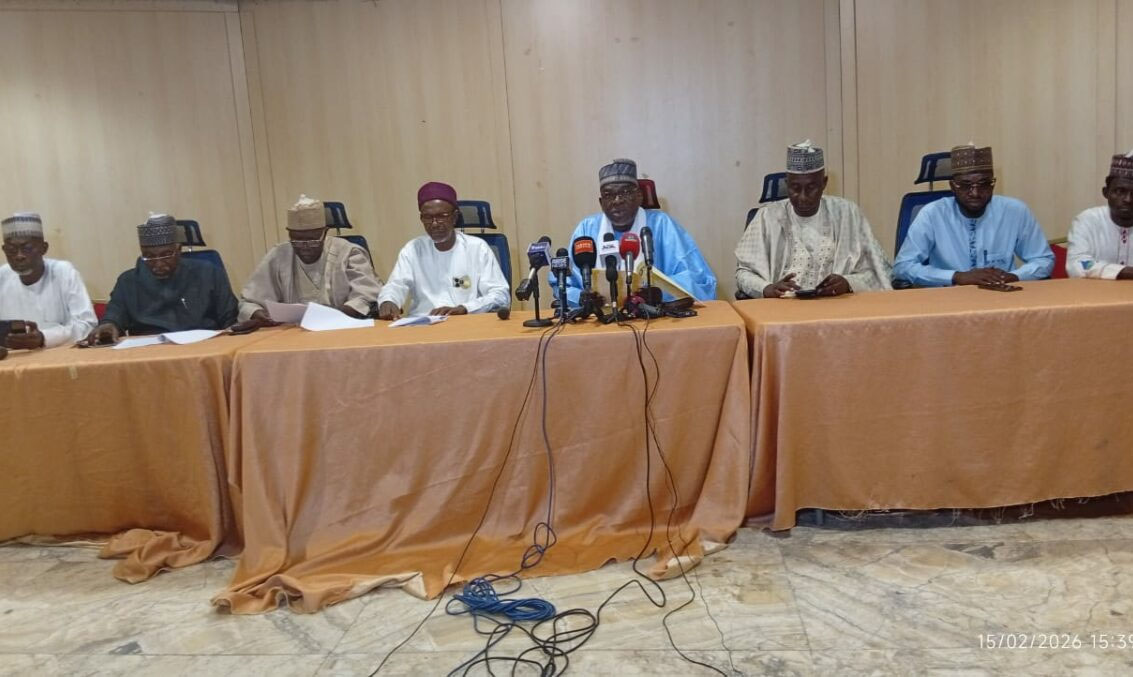
A growing number of Fulani settlers and herders are reportedly leaving parts of southern Nigeria amid rising tensions, worsening insecurity, and allegations of ethnic profiling and targeted hostility in some communities.
Investigations and field reports indicate that some Fulani families in parts of the South-West and South-East have either relocated voluntarily or been forced to move from areas where they have lived for decades, following suspicions linking some individuals to crimes such as kidnapping, banditry, and terrorism-related violence.
Sources say the movement has been gradual but increasingly noticeable in rural communities, where pastoral families are reportedly abandoning long-standing settlements. In some cases, herders are said to be relocating livestock toward northern Nigeria or moving to neighbouring West African countries perceived as safer for grazing activities.
The development comes amid heightened insecurity in several parts of the country, where killings, abductions, and rural violence have fueled mistrust between farming communities and migrant herders.
The Miyetti Allah Cattle Breeders Association of Nigeria (MACBAN) has denied claims that its members are widely involved in criminal activities, insisting that many innocent herders are becoming victims of ethnic profiling, displacement, and attacks.
The South-West Chairman of MACBAN and Sarkin Fulani of Abeokuta, Alhaji Muhammad Labar, confirmed that some members had already left the region due to fear and insecurity.
He said: “Some of our members have already left the South-West. They relocated to places where they believe they will be safer and more comfortable. There is fear within the Fulani community because of the way criminality is increasingly being linked to our people.”
READ ALSO:
- Recruitment: CDCFIB Releases Successful Immigration, NSCDC, Fire Service Applicants
- Boko Haram Torches Schools in Borno, Residents Escape Into Bush
- Abdulsalami Breaks Silence on Abiola’s Death, Says Autopsy Ruled Out Poisoning
Labar added that Fulani settlers have lived peacefully in the region for generations and contribute significantly to the economy through cattle rearing and livestock trade.
MACBAN stressed that it continues to advocate for peaceful coexistence between Fulani herders and host communities, urging members not to engage in actions that could escalate tensions.
The association also stated that it has consistently worked with security agencies to identify and expose criminal elements within rural communities.
“We have always maintained that anybody found wanting should face the law. We will never allow the image of the Fulani community to be dragged into criminality,” Labar said.
Further findings indicate that Fulani herders in parts of the South-East are also facing growing insecurity, including reported killings, cattle rustling, and forced displacement in some communities.
The Deputy Director-General of MACBAN overseeing the South-East and South-South zones, Gidado Siddiki, alleged that several pastoralists were killed between November 2025 and May 2026 in parts of Enugu State, including Uzo-Uwani, Nkanu East, Enugu East, and Igbo-Etiti Local Government Areas.
He also claimed that dozens of cattle were killed or stolen in separate incidents and expressed concern that reports made to security agencies had not yielded adequate results.
Siddiki further alleged that Fulani settlers were displaced in some communities in Ebonyi State, despite mediation efforts involving security agencies.
While MACBAN officials described parts of Abia State as relatively calm, they said pastoralists in some areas still face restrictions and discrimination.
In Anambra State, they noted some improvement in security following government interventions, although isolated incidents of violence against herders were still reported.
Some residents in affected communities continue to express concern over rising insecurity, particularly kidnapping, armed attacks, and destruction of farmlands linked to rural violence.
A Fulani resident in Osun State, speaking anonymously, said many Fulani families in southern Nigeria were born and raised in their host communities and should not be collectively blamed for criminal acts.
He also said many herders cooperate with security agencies by sharing intelligence and monitoring newcomers within their communities.
Stakeholders and security analysts have called for renewed dialogue between farmers and herders, improved rural security, and stronger conflict resolution mechanisms to address rising tensions.
They warn that continued farmer–herder conflicts, if not properly managed, could deepen mistrust, increase displacement, and worsen insecurity across several states.
Authorities have yet to confirm a coordinated or mass exit of Fulani settlers from southern Nigeria.
Tension Rises as Fulani Herders Reportedly Leave Southern Communities
-
 metro19 hours ago
Kidnapped Retired Major General Rabe Abubakar Dies in Bandits’ Captivity
-

 Entertainment3 days ago
Davido Turns World Cup Stage Into Protest – Wears Jacket Bearing Names of Kidnapped Oyo Schoolchildren at FIFA Concert
-
 News2 days ago
Full Text of President Bola Ahmed Tinubu’s Democracy Day Address
-

 Sports3 days ago
Chaos at World Cup 2026 Opener as Protesters Block Access to Estadio Azteca
-
 metro2 days ago
Senate Orders Police, DSS to Track Bandits Flaunting Cash on TikTok
-
 metro1 day ago
How Kidnap of Adelabu’s Sister, Twins Was Planned – Suspects Confess Insider Role
-

 Health3 days ago
VIDEO: Nigerian Doctors in Canada Have Become ‘Medical Agberos’ — Doctor Alleges
-

 metro2 days ago
Bandits Tie Women With Hijabs, March Them Into Forest in Sokoto Mass Abduction