
News
Tinubu Moves to Ease Economic Pressure as Fuel Price Hike Hits Nigerians
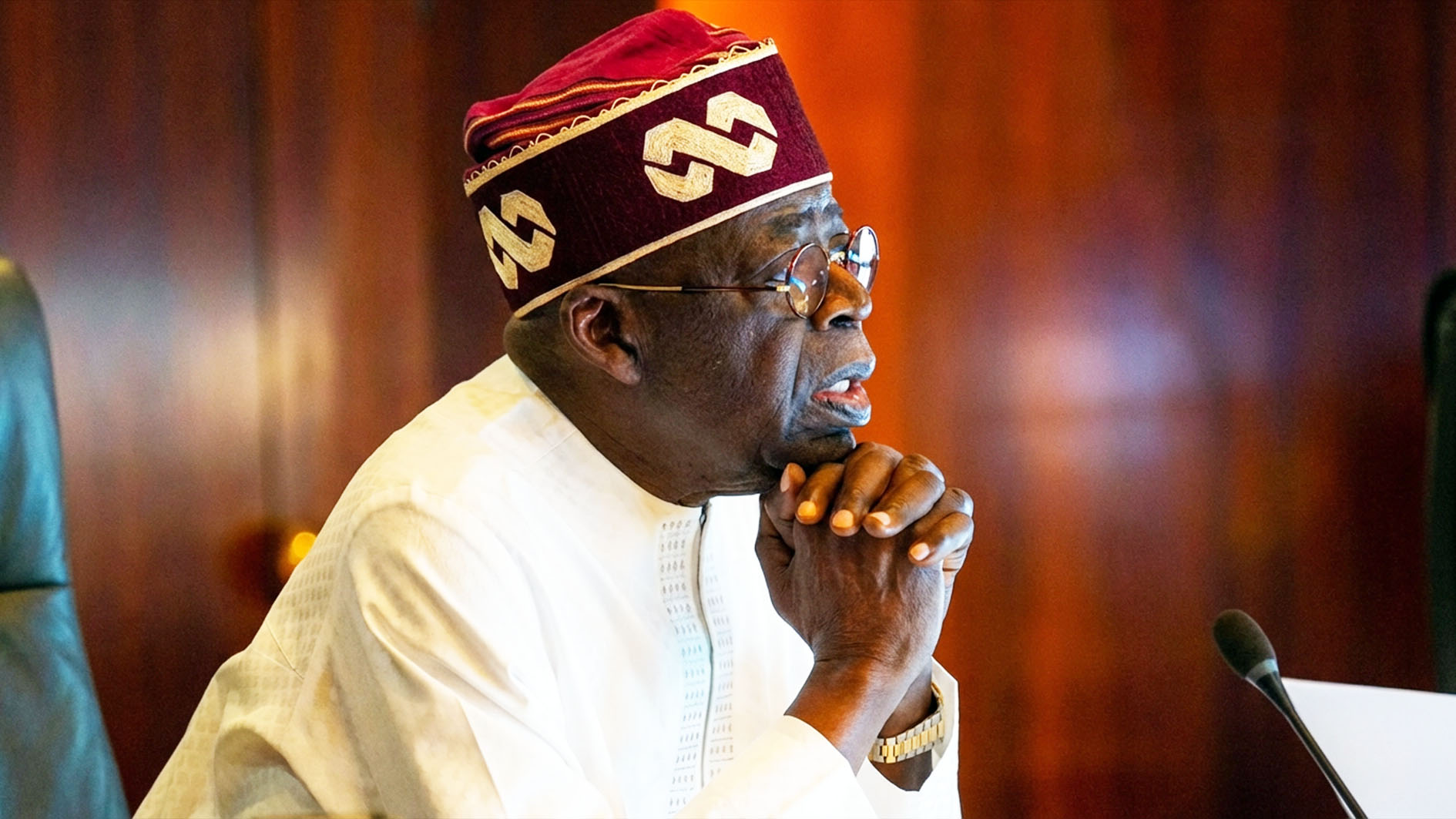
Tinubu Moves to Ease Economic Pressure as Fuel Price Hike Hits Nigerians
President Bola Ahmed Tinubu has initiated fresh efforts to cushion Nigerians against the impact of rising fuel prices and the accompanying increase in the cost of living across the country.
The development was disclosed during the Eid-el-Fitr celebrations in Dutse, where Umar Namadi addressed residents after hosting traditional rulers, including the Emir of Dutse, at the Hawan Bariki Durbar.
According to a statement issued by his Chief Press Secretary, Hamisu Muhammad Gumel, the governor said the President is aware of the economic hardship Nigerians are facing and has already begun implementing measures aimed at reducing the burden, particularly in the transport sector.
He explained that the recent spike in petrol prices has been influenced not only by domestic policy changes but also by external factors, including global oil market volatility and tensions in oil-producing regions, which have contributed to fluctuations in supply and pricing.
“The President is aware of the burden this increase will place on our people and has already begun taking measures to reduce the impact, especially in the area of transportation,” Namadi said.
READ ALSO:
- ₦200 Trillion NNPCL Probe: SERAP Threatens Legal Action Against Akpabio
- ‘Thunder Will Strike’ — Portable’s Political Message Sparks Backlash
- Poor Electricity Supply Could Spark Nationwide Unrest — APC Leader
One of the key focus areas of the Federal Government’s response is improving transport affordability, with plans to introduce alternatives that can help reduce the cost of movement for Nigerians. This is expected to ease pressure on commuters, traders, and workers who have been hardest hit by the recent fuel price adjustments.
Transportation costs have risen sharply in recent weeks, triggering a ripple effect on food prices, logistics, and other essential services, further intensifying inflationary pressures in Nigeria.
Governor Namadi noted that relevant federal agencies have been directed to begin implementing targeted relief measures, while also working on medium- to long-term solutions to stabilize the economy.
At the state level, he assured that the Jigawa State Government will align with federal initiatives while also rolling out complementary programmes aimed at supporting residents through palliatives, economic support schemes, and improved access to essential services.
He acknowledged the current hardship but expressed optimism that coordinated efforts between federal and state governments would gradually restore stability.
Across Nigeria, citizens continue to grapple with the effects of fuel subsidy removal, including higher transport fares, increased production costs, and rising prices of goods and services. Analysts say the situation has placed additional strain on households and small businesses already dealing with economic challenges.
Economic experts have repeatedly emphasized the need for sustained interventions, including expansion of public transportation systems, investment in alternative energy sources, and targeted social support to mitigate the short-term effects of reforms while maintaining long-term fiscal stability.
The Federal Government has maintained that ongoing economic adjustments are necessary to strengthen the economy, attract investment, and reduce dependence on fuel subsidies, even as it acknowledges the immediate challenges faced by citizens.
Tinubu Moves to Ease Economic Pressure as Fuel Price Hike Hits Nigerians







News
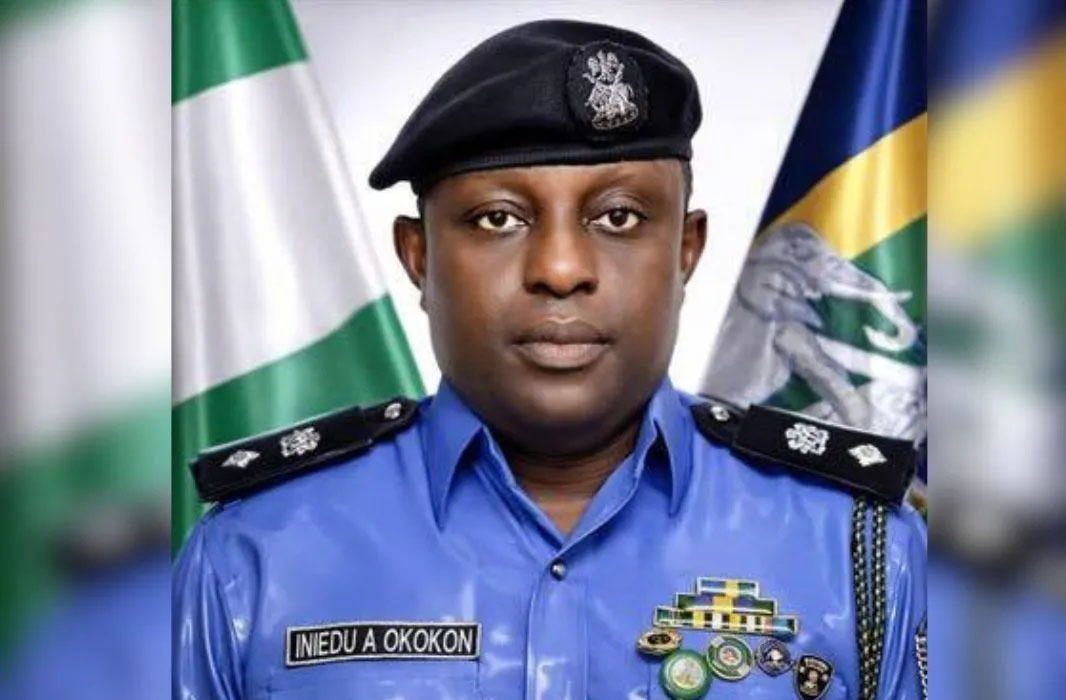
Police Name CSP Iniedu Okokon New Force Spokesperson
Police Name CSP Iniedu Okokon New Force Spokesperson
LAGOS — The Nigeria Police Force has appointed Chief Superintendent of Police (CSP) Iniedu Okokon as its new Force Public Relations Officer (FPRO), in a fresh reorganization that has seen another change in the Force’s communication leadership barely three months after the last appointment.
Okokon replaces Deputy Commissioner of Police (DCP) Anthony Placid, who was appointed police spokesperson shortly after the assumption of office of the 23rd Inspector-General of Police, Kayode Egbetokun’s successor, IGP Olatunji Disu.
The development has generated interest within security and policing circles due to the brief tenure of Placid as Force spokesperson. As of the time of filing this report, the police authorities had not issued an official statement explaining the reasons behind the latest change.
When contacted, Placid confirmed the development, acknowledging that he had been relieved of his duties as Force Public Relations Officer. However, he declined to provide further details on the circumstances surrounding the decision.
Sources at the Force Headquarters disclosed that Placid has been redeployed to the Lagos State Police Command, where he is expected to assume responsibility as head of the Finance and Administration Department.
READ ALSO:
- JUST IN: Iran Reimposes Strait of Hormuz Blockade, Suspends Nuclear Talks With US
- Tems Apologises After Nervous Mix-Up at Obama Presidential Centre Ceremony
- Massilia Motors Slashes Mitsubishi L200 Price to ₦42m for Anniversary Campaign
The redeployment is believed to be part of ongoing restructuring efforts within the Nigeria Police Force under the leadership of Inspector-General of Police Olatunji Disu.
The office of the Force spokesperson had witnessed changes following the death of former Force Public Relations Officer, DCP Khan Salihu, who reportedly died after a brief illness. His passing created a vacuum in the police communication architecture, prompting a series of appointments and subsequent adjustments.
As the new Force spokesperson, Okokon is expected to immediately assume responsibility for the management of the Force’s public communication, media relations, and engagement with citizens across the country.
Prior to his appointment, Okokon served as head of the Police Complaint Response Unit (CRU), where he was credited with strengthening public complaint resolution mechanisms and enhancing accountability within the Force.
Meanwhile, the recently established Force New Media Unit will continue to operate under the leadership of CSP Aliyu Giwa, who is expected to maintain oversight of the police’s digital communication platforms and online engagement strategy.
Observers say the latest reshuffle underscores the determination of the police leadership to reposition strategic departments as the new administration consolidates its operational and administrative agenda.
Further clarification from the Force Headquarters is expected in the coming days regarding the rationale behind the changes.
Police Name CSP Iniedu Okokon New Force Spokesperson
News
JUST IN: Iran Reimposes Strait of Hormuz Blockade, Suspends Nuclear Talks With US
JUST IN: Iran Reimposes Strait of Hormuz Blockade, Suspends Nuclear Talks With US
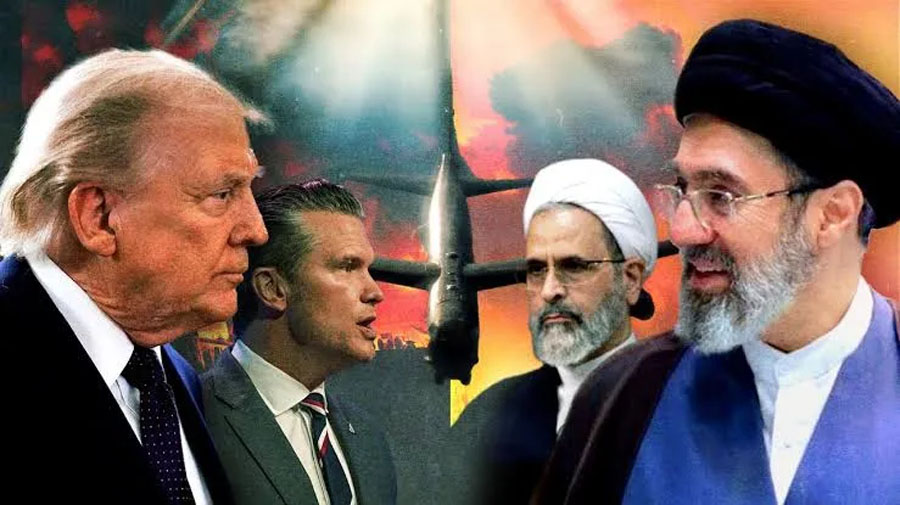
Tehran announced a renewed closure of the strategic Strait of Hormuz on June 19, accusing Washington of violating a newly signed ceasefire agreement as Israeli forces continue military operations in southern Lebanon, casting doubt over a fragile diplomatic breakthrough. In a statement broadcast through maritime radio channels, Iran’s Islamic Revolutionary Guard Corps declared that the waterway would remain shut until three key conditions are met: Israel’s complete withdrawal from Lebanon, the full lifting of the US naval blockade, and the withdrawal of American forces from the Persian Gulf and the region. The IRGC warned all commercial and private vessels to avoid the strait, stating that “any vessel that defies this directive will be targeted.” The dramatic escalation came just hours after the planned first round of US-Iran nuclear negotiations in Switzerland was cancelled, with hardline elements within Iran reportedly opposing participation until Israel withdraws from southern Lebanon. A regional source claimed that hardliners insisted on Israel’s complete withdrawal before any diplomatic engagement could proceed.
The reimposed blockade appears to stem from ambiguities in the 14-point Islamabad Memorandum of Understanding, signed electronically on June 17 by US President Donald Trump and Iranian President Masoud Pezeshkian. The agreement committed both sides to an “immediate and permanent termination of military operations on all fronts, including in Lebanon,” while also requiring the US to “begin the removal of its naval blockade” immediately, with a full end within 30 days. This phased approach has allowed Iran to argue that the blockade has not yet been “completely” lifted. Simcha Brodsky, president of the open-source intelligence organization OSINT613, told the New York Post: “What we’re seeing is a direct result of the wording in the US-Iran MoU. The deal lifts the US blockade in phases, fully within 30 days, so the US is still in the middle of that process by design.” Brodsky added: “Iran has now linked the Israel-Lebanon conflict to that justification, effectively halting the agreement and drawing Israel into a deal it neither approved nor negotiated.” On June 18, the US Central Command had formally announced it had lifted the two-month blockade of Iranian ports. However, it remains unclear why the IRGC believes the lifting is not yet “complete.”
READ ALSO:
- Tems Apologises After Nervous Mix-Up at Obama Presidential Centre Ceremony
- Massilia Motors Slashes Mitsubishi L200 Price to ₦42m for Anniversary Campaign
- Morocco Captain Achraf Hakimi to Face Rape Trial During 2026 World Cup
Despite the ceasefire provisions in the US-Iran memorandum calling for an end to all hostilities in Lebanon, Israeli forces have continued military operations against Hezbollah. Lebanese authorities reported that nearly 50 people were killed and close to 100 wounded in a wave of Israeli airstrikes across southern Lebanon and the eastern Bekaa Valley on Friday. The southern towns of Harouf and Haboush suffered the highest death tolls, with nine and seven fatalities respectively, while at least two children were reported killed. Earlier reports from the Health Ministry’s Emergency Operations Center confirmed at least 24 deaths and 33 wounded from intensive strikes across 11 towns. Israeli Prime Minister Benjamin Netanyahu insisted that Israeli forces “will remain in southern Lebanon for as long as security requires,” directly contradicting the memorandum’s call for an immediate end to hostilities. The Israel Defense Forces have also published a new map showing an expanded zone of occupation, with troops deployed more than 6 miles across the Lebanese border, including areas north of the Litani River. Lebanese President Joseph Aoun condemned the latest strikes, saying they undermined efforts to consolidate the ceasefire and represented a “dangerous escalation.” Lebanon’s Parliament Speaker Nabih Berri reaffirmed Lebanon’s commitment to the ceasefire agreement, provided that Israel fully complies with its terms.
US President Donald Trump responded to the developments by claiming the conflict had significantly weakened Iran’s military capabilities. In a post on Truth Social, he wrote: “The War has diminished Iran! It doesn’t, any longer, have an Air Force, a Navy, Antiaircraft Equipment, Radar, or practically anything else.” Trump dismissed criticism from Democrats over his administration’s handling of the conflict, stating: “We didn’t meet out of desperation, Iran did. They are FINISHED! We’ll play out the 60 days. They get no money, not ten cents!” He also described Iran’s signing of the memorandum as “unconditional surrender” in an interview with Axios.
Despite Iran’s announcement of a blockade, maritime traffic through the Strait of Hormuz showed signs of recovery following the signing of the US-Iran agreement. Data from analytics firm AXS Marine showed 25 commercial vessel crossings on June 18—the highest single-day count since mid-April and more than five times the average recorded during the first ten days of June. Four supertankers alone carried at least 8 million barrels of crude oil through the strait, with shipments headed primarily to Japan, South Korea, Pakistan, Singapore, India, and China. The French-flagged LNG tanker Mraikh transported 169,000 cubic meters of LNG from Qatar to Pakistan. However, traffic remains well below the pre-conflict level of about 120 daily crossings, and the US navy-led Joint Maritime Information Center advised vessels to avoid the Traffic Separation Scheme because of mine risks as clearance operations continue. Ship broker Braemar noted in a statement: “Risks range from the danger of mines… to that of getting stuck in the Mideast Gulf should tempers flare and Iran block Hormuz once again.”
JUST IN: Iran Reimposes Strait of Hormuz Blockade, Suspends Nuclear Talks With US
News
Take Terrorists Off Front Pages, FG Tells Nigerian Media Outlets
Take Terrorists Off Front Pages, FG Tells Nigerian Media Outlets
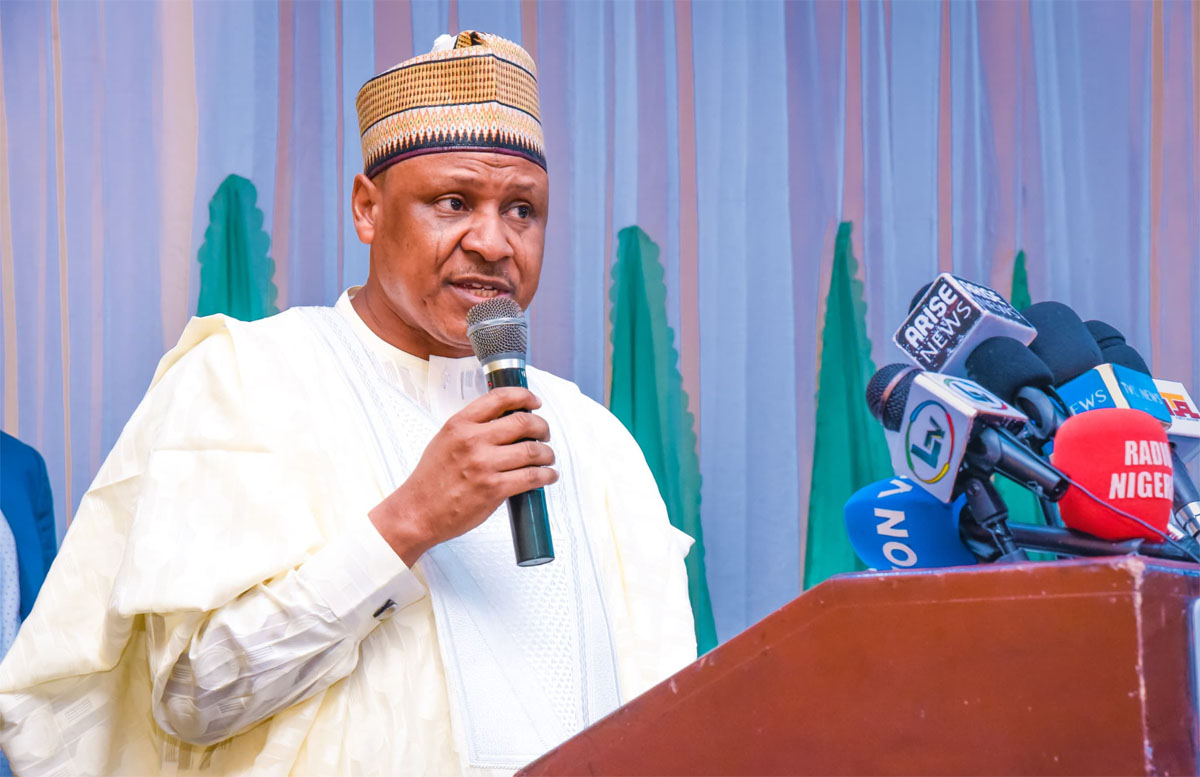
Minister Mohammed Idris calls for responsible journalism at NUJ-DSS National Security Summit in Abuja
ABUJA, Nigeria – The Federal Government has appealed to Nigerian media organisations to stop giving prominent coverage to terrorists, bandits and other criminal groups, warning that such publicity inadvertently amplifies their activities and undermines national security efforts.
Minister of Information and National Orientation, Mohammed Idris, made the appeal on Thursday during a two-day National Security Summit organised by the Nigeria Union of Journalists (NUJ) in collaboration with the Department of State Services (DSS) in Abuja. The summit, themed “Media and Security Agencies as Partners in Nation Building,” brought together media practitioners, security officials and communication experts to discuss the role of journalism in strengthening national security.
Idris said while the administration of President Bola Tinubu remains committed to press freedom, journalists must exercise responsibility in reporting security-related issues. “Yes, we have to do our work; we have to report whatever happens, but you must know that the best reporter, the best editor, is the one who knows what not to report in the interest of nation-building,” he stated. The minister urged editors to reduce the prominence given to reports of attacks and criminal activities, arguing that terrorists often seek publicity through media coverage. “Please, take these terrorists and criminals off your front pages. This is what they crave, free of charge. It saddens me when I see our front pages reporting the activities of these criminals while underplaying the achievements of our security agencies,” he added.
According to Idris, a secure and peaceful nation is essential for the survival and growth of the media industry. He called on journalists to highlight the sacrifices and successes of security personnel who continue to risk their lives to protect the country. “We must have a Nigeria to report first before we can even have a union or any other media organisation. It is our collective responsibility to ensure that this nation survives,” he said.
The minister noted that Nigeria continues to face complex security threats, including terrorism, banditry, cybercrime, organised crime, misinformation and separatist agitations, all of which require coordinated responses. He stated that sustained operations have weakened terrorist networks in the North-East, while intensified efforts against banditry and kidnapping in the North-West and North-Central have produced positive results. According to him, the government has invested in modern equipment, surveillance systems, intelligence infrastructure and capacity building to enhance the effectiveness of security operations. Beyond military measures, the administration is addressing underlying causes of insecurity through economic reforms, youth empowerment initiatives, infrastructure development, education and social intervention programmes.
READ ALSO:
- ‘Privacy Is Peace to Me’ – Baba Ijesha’s Wife Abiodun Tokunbo Finally Speaks Out
- NGF, Attorneys-General Hold Consultations on State Police Implementation
- Okpebholo Vows Public Hanging for Convicted Kidnappers, Unveils Special Courts
On education, Idris said more than 1.3 million Nigerian students have benefited from the National Education Loan Fund (NELFUND) , which was introduced to ensure that financial difficulties do not prevent young Nigerians from accessing higher education. Reports indicate that over ₦161.97 billion has been disbursed in 2026, including ₦89.94 billion paid directly to public tertiary institutions and ₦72.03 billion transferred into students’ bank accounts as monthly upkeep stipends. He further disclosed that the government is working on improved welfare packages for media professionals to enhance their productivity and well-being.
The minister commended the media industry’s support for the country’s digital broadcasting transition, describing the recent launch of the Digital Switch Over (DSO) as a major milestone achieved through collaboration between government and stakeholders. The platform was officially launched on Wednesday, June 17, 2026, at the NIGCOMSAT headquarters in Abuja, marking a significant step in the modernisation of Nigeria’s broadcasting industry after over a decade of lapsed deadlines. The initiative is projected to serve about 40 million households and generate more than N600 billion in economic value. Idris described the DSO as part of a broader national effort to build a more connected and competitive Nigeria, noting that the government is pursuing a hybrid broadcasting model combining Digital Terrestrial Television, Direct-to-Home satellite delivery, and digital application-based platforms.
In his remarks, NUJ National President Alhassan Yahya said the summit was designed to strengthen cooperation between journalists and security agencies in the interest of democracy and national development. Yahya praised the leadership of the DSS, stating that relations between the agency and the media have improved significantly in recent years. “It may interest you to know that in the last one and a half years, there has been no record of intimidation or harassment by state services in this country,” he said.
Also speaking, President and Chairman of Council of the Nigerian Institute of Public Relations (NIPR) , Dr Ike Neliaku, described the media and security institutions as critical pillars of Nigeria’s democracy. Neliaku announced that Nigeria had secured the hosting rights for the World Public Relations Forum scheduled for November 2026, marking the first time the event will be hosted in Sub-Saharan Africa. The forum is expected to bring communication professionals from 126 countries to Nigeria.
Meanwhile, President of the Nigeria Chapter of the International Press Institute (IPI) , Musikilu Mojeed, stressed that national security and press freedom should not be viewed as competing interests. According to him, democratic societies require both values to thrive, warning that security without accountability could encourage abuse, while freedom without security cannot be sustained. “National security and press freedom are not opposing goals; they are mutually reinforcing pillars of democratic governance,” Mojeed said. He noted that tensions between journalists and security agencies are inevitable because both institutions pursue different objectives, but argued that the task of democratic institutions is not to eliminate such tension but to manage it responsibly through dialogue, professional accountability structures and judicial processes.
The summit was attended by representatives of major security agencies, senior media executives, former NUJ presidents and public relations practitioners from across the country.
Take Terrorists Off Front Pages, FG Tells Nigerian Media Outlets
-

 metro12 hours ago
VIDEO: Jubilation as Kidnapped Family Is Freed After Sunday Igboho’s Two-Hour Ultimatum
-

 metro2 days ago
‘Privacy Is Peace to Me’ – Baba Ijesha’s Wife Abiodun Tokunbo Finally Speaks Out
-

 metro3 days ago
Bandits Fear Death, Not God, Says Ex-NYSC DG Tsiga After 56-Day Captivity
-
 metro3 days ago
Alaafin Owoade I Steps In, Resolves Oyo Muslim Community Feud
-
 metro1 day ago
Pastor Arrested for Taking 75 Married Women as Wives, Tears Church Apart
-
 Politics13 hours ago
INEC Declares Oyebanji Winner of Ekiti Governorship Election, Sweeps All 16 LGAs (Full Results)
-
 metro8 hours ago
Police Deny Sunday Igboho’s Role in Oyo Kidnap Victims Release
-
 Politics1 day ago
Ekiti 2026: EU Observers Hail Peaceful Poll, 96% BVAS Performance