

metro
Eid-el-Kabir: Ram Sellers Lament Poor Patronage as Prices Hit N700,000
Eid-el-Kabir: Ram Sellers Lament Poor Patronage as Prices Hit N700,000
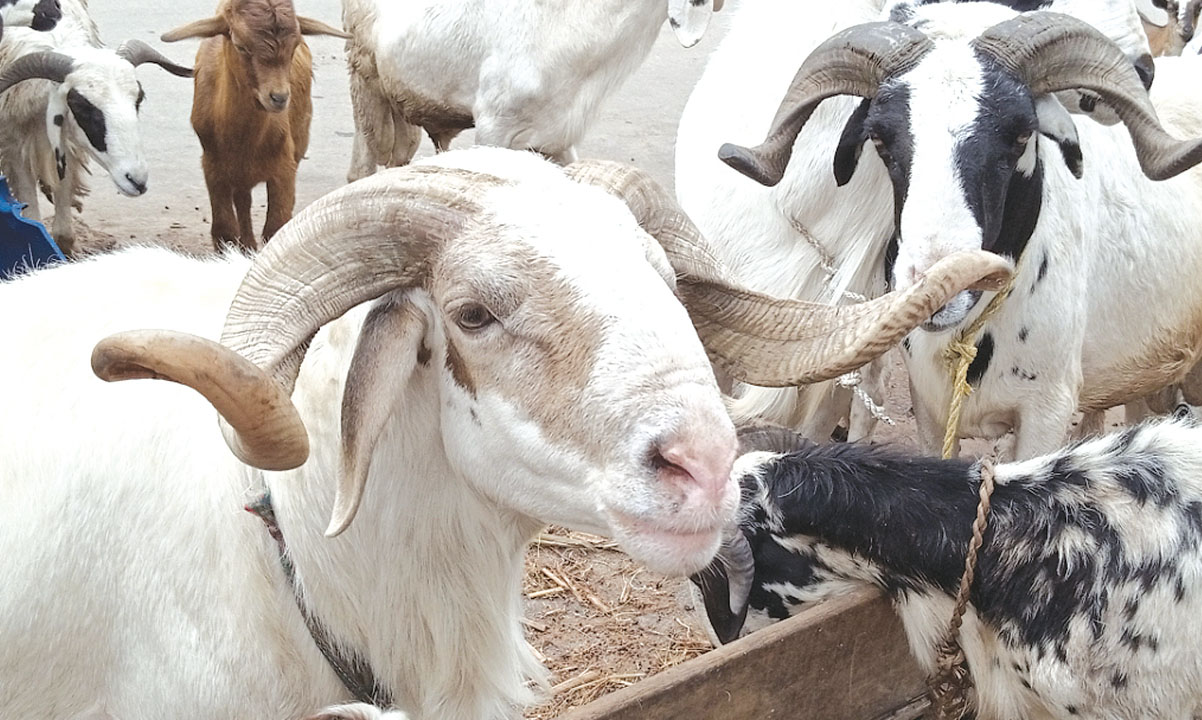
Livestock dealers in Kano State are expressing concern over poor patronage across major markets despite the large supply of animals ahead of the 2026 Eid-el-Kabir celebration.
The development comes as the prices of sacrificial animals, especially rams, cows and camels, continue to rise sharply amid worsening economic hardship and inflation in Nigeria.
Eid-el-Kabir, also known as Eid-al-Adha, is one of the most significant Islamic festivals observed by Muslims worldwide. The celebration commemorates the willingness of Prophet Ibrahim (Alaihis Salam) to sacrifice his son in obedience to Allah’s command.
As part of the religious obligation, Muslims slaughter animals such as rams, goats, sheep, cows or camels that meet Islamic standards regarding age and health.
A visit to major livestock markets including Goron Dutse and Kofar Nai’sa in Kano revealed that traders had stocked thousands of animals in anticipation of increased demand ahead of Sallah.
The markets were filled with rams, goats, sheep, cows and camels of different sizes and prices to cater to various categories of buyers.
However, despite the heavy supply, traders said customer turnout has remained low compared to previous years.
Speaking at the Goron Dutse market, Chairman of the Animal Dealers Association in Kano State, Alhaji Bashir Sule-Dantsoho, said many traders were worried about declining sales.
READ ALSO:
- Drug Test Ordered as Anambra Police Discipline ASP Who Threatened to Kill Bystanders Filming Him
- Maduka University Denies Withholding Student Transcript, Fee Hike Claims in Viral Video
- FRSC Officials Disarm Alleged DSS Officer After Shooting Incident In Abuja
According to him, the prices of livestock have increased significantly due to the rising cost of transportation, insecurity affecting livestock routes, and the soaring price of animal feed.
He disclosed that small-sized rams currently sell for between N150,000 and N200,000, while medium-sized rams cost between N350,000 and N500,000.
Large rams, he said, now sell for as high as N700,000 and above.
Sule-Dantsoho added that camel prices range from N500,000 to N3 million, while bulls and cows are sold for between N600,000 and N3 million, depending on size and quality.
“Last year, a bag of animal feed sold for between N10,000 and N13,000, but this year the same product now costs about N25,000,” he explained.
“Transportation costs have also increased sharply, and all these expenses affect the final selling prices.”
At the Kofar Nai’sa livestock market, another dealer, Kabiru Mustapha, blamed the poor sales on the prevailing economic hardship across the country.
He said many households are struggling to afford sacrificial animals due to the high cost of living.
According to Mustapha, traders now spend several days without recording meaningful sales because many buyers can no longer afford large animals.
He stated that camel prices currently range between N500,000 and N2.5 million, while cows sell for between N400,000 and N3 million depending on size and condition.
He added that medium and large-sized rams now cost up to N550,000 and above.
Mustapha noted that many prospective buyers are delaying purchases until the final days before Sallah in the hope that prices may reduce.
Findings indicate that the situation is not limited to Kano State alone.
In several northern states including Kaduna and Kwara, livestock dealers are also reporting poor patronage despite having enough animals in stock for the Eid-el-Kabir celebration.
Reports from Kaduna livestock markets show that some large rams now sell for nearly N1 million, while traders in Kwara State have reportedly considered selling animals on credit due to weak customer turnout.
Traders attributed the rising prices to inflation, insecurity, transportation challenges and supply shortages from neighbouring countries.
Some prospective buyers who spoke at the markets expressed concern over the continuous rise in the prices of sacrificial animals.
They warned that the situation may prevent many Muslim families from performing the religious obligation associated with Eid-el-Kabir this year.
Others said they may contribute money jointly with relatives, friends or neighbours to purchase animals for the celebration.
Despite the challenges, many buyers remain hopeful that competition among traders could force prices down slightly as the Sallah festival approaches.
Eid-el-Kabir: Ram Sellers Lament Poor Patronage as Prices Hit N700,000







metro
Death Sentence: Kogi Court Convicts 24-Year-Old of Killing Father

Death Sentence: Kogi Court Convicts 24-Year-Old of Killing Father
A Kogi State High Court sitting in Lokoja has sentenced 24-year-old Dahiru Yusuf Abbah to death by hanging for the killing of his father, Dahiru Yusuf.
Justice M.M. Gwatana handed down the sentence after finding that the prosecution had proved the case of culpable homicide against Abbah beyond reasonable doubt.
The court heard that the incident occurred on October 5, 2024, in the Sarkin-Noma area of Lokoja, when Abbah allegedly attacked his father and inflicted stab wounds on his chest and back.
The victim was taken to hospital for treatment but died on October 9, 2024, from injuries sustained during the attack.
Abbah was subsequently arrested and arraigned on charges of culpable homicide and criminal conspiracy under Sections 221 and 97(1) of the Kogi State Penal Code, 2019, as amended.
During the trial, the prosecution called nine witnesses, including the deceased’s wife, Hajia Jumai Dahiru, and two of the defendant’s siblings.
Several exhibits were also presented before the court, including a blood-stained shirt, blood samples, a knife, a digital forensic report and a compact disc analysis.
READ ALSO:
- Ondo High Chief Shot Dead During Colleague’s Burial, One Arrested
- ‘We Are Ignorant, We Don’t Read’ — NAFDAC DG Raises Food Safety Concerns
- 2027: Obi Makes U-Turn, Vows to Restore Fuel Subsidy If Elected
Although none of the prosecution witnesses testified that they directly saw Abbah stab his father, the court found that the circumstantial evidence presented by the prosecution was sufficient to establish his involvement in the killing.
Justice Gwatana said the evidence, including the defendant’s blood-stained clothing and testimonies from members of the deceased’s family, linked Abbah to the fatal attack.
The court also considered the defendant’s failure to call a witness in his defence, apart from an Islamic cleric whose testimony about an inheritance dispute was considered unrelated to the central issue before the court.
The judge said the case before the court was a matter of culpable homicide, not an inheritance dispute.
Justice Gwatana convicted Abbah of culpable homicide but discharged him on the separate criminal conspiracy charge, ruling that the prosecution had not established that count to the required standard.
The court subsequently sentenced him to death by hanging for the killing of his father.
However, the judgment is not necessarily the end of the legal process. Defence lawyers Mohammed S. Inuwa and Mohammed S. Maihaja indicated that their client would appeal the conviction and sentence.
The defence reportedly challenged aspects of the evidence relied upon by the court in reaching its decision.
Meanwhile, Yusuf Bala, head of the deceased’s family, welcomed the judgment and said the family had been seeking justice for the victim.
The case could now proceed to the appellate courts if the defendant files the proposed appeal.
Death Sentence: Kogi Court Convicts 24-Year-Old of Killing Father
metro
Ondo High Chief Shot Dead During Colleague’s Burial, One Arrested
Ondo High Chief Shot Dead During Colleague’s Burial, One Arrested
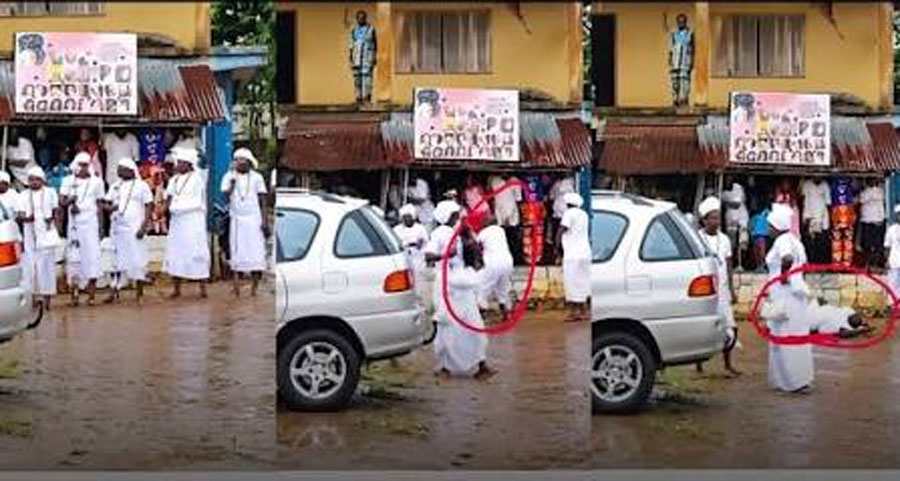
A traditional ruler in Ayeka, Okitipupa Local Government Area of Ondo State, High Chief Akinwalere Akinola, has been shot dead during the burial rites of a fellow traditional ruler.
The incident occurred on Tuesday as traditional rulers, community leaders and other mourners gathered for the funeral ceremony.
Akinola was reportedly struck in the head by a bullet during the proceedings and died from his injuries.
The shooting triggered panic among mourners and disrupted the burial ceremony as people scrambled for safety.
The circumstances surrounding the shooting remain unclear. Some accounts in the community have described it as an accidental discharge, but the police have not confirmed that explanation.
The Ondo State Police Command has, however, confirmed the death and announced the arrest of one suspect in connection with the incident.
The command’s spokesperson, DSP Abayomi Jimoh, said a thorough investigation had commenced.
“One suspect arrested. Meanwhile, thorough investigation has commenced,” Jimoh said.
The police have not publicly identified the suspect or disclosed the type of firearm involved.
READ ALSO:
- ‘We Are Ignorant, We Don’t Read’ — NAFDAC DG Raises Food Safety Concerns
- 2027: Obi Makes U-Turn, Vows to Restore Fuel Subsidy If Elected
- 2027: Galadima Alleges APC Offering N50m, N200m to Lawmakers to Step Aside
Investigators are expected to establish who was handling the weapon, how it was discharged and whether the shooting was accidental or deliberate.
A video reportedly showing part of the funeral gathering circulated online after the incident, although the full circumstances surrounding the footage and the shooting have not been independently established.
The death has thrown Ayeka community into mourning, coming at a ceremony intended to honour another traditional ruler who had died.
The incident has also renewed concerns about the presence and handling of firearms during public gatherings and traditional ceremonies.
For now, the police investigation remains ongoing, and no official conclusion has been reached on whether the shooting was accidental or intentional.
Ondo High Chief Shot Dead During Colleague’s Burial, One Arrested
metro
NSITF Exposes Fake Recruitment Scam, Warns Nigerians Against Fraudsters

NSITF Exposes Fake Recruitment Scam, Warns Nigerians Against Fraudsters
The Nigeria Social Insurance Trust Fund (NSITF) has warned Nigerians, particularly job seekers, against fake recruitment advertisements and forged appointment letters being circulated by fraudsters seeking to deceive members of the public.
The warning was contained in a public notice issued by the Fund and circulated to its Regional and Branch Managers through a memorandum dated October 5, 2026, signed by the Executive Director, Administration, Samaila Abdu.
NSITF said it is not currently recruiting for any position, describing employment advertisements circulating on social media, particularly Facebook, as fake.
The Fund said individuals and groups were falsely presenting themselves as representatives of NSITF and using purported employment opportunities to target unsuspecting members of the public.
It urged Nigerians to disregard such advertisements and not make payments to anyone in exchange for employment opportunities.
READ ALSO:
- Messi Reflects on Argentina Future: ‘I Would Like to Play Forever’
- Seven Years With Parkinson’s: Man Seeks N65m for Brain Surgery in Türkiye
- Trump Links French Protests To Islam ‘Taking Over’ France
NSITF stressed that it does not charge applicants any fee for employment and does not conduct recruitment through unofficial social media platforms or other unauthorised channels.
The Fund said genuine NSITF recruitment opportunities, whenever available, would be announced through its official communication channels.
“Stay alert, stay safe,” the Fund advised, urging anyone who encounters suspicious recruitment advertisements or requests to avoid responding and report them to the appropriate NSITF authorities.
The Fund has also directed all its Regional and Branch Managers to prominently display the warning at strategic locations within their offices.
The directive covers reception areas, main entrances and exits, notice boards, SERVICOM desks and other locations accessible to staff and members of the public.
NSITF said the notices should remain visible to help protect job seekers and other members of the public from fraudulent recruitment activities.
The Fund further urged Nigerians to verify recruitment claims through official NSITF channels before providing personal information, making payments or taking any other action.
The NSITF warning comes amid continued concerns over online recruitment scams in which fraudsters exploit job seekers by offering supposed government employment in exchange for money or personal information.
NSITF reiterated that legitimate employment opportunities would be communicated through its recognised channels and warned Nigerians to remain vigilant when responding to unsolicited job offers.
NSITF Exposes Fake Recruitment Scam, Warns Nigerians Against Fraudsters
-

 metro2 days ago
Tragedy Strikes FMC: Medical Director Loses Two Daughters—A Doctor and a Pharmacist—Within 48 Hours
-

 metro2 days ago
Transporters Urge IGP Disu to Arrest Illegal Highway Tax Collectors
-

 metro2 days ago
Army, DSS, Amotekun Kill ISWAP Commander Planning Attacks in Southern Nigeria
-

 Politics2 days ago
2027: Soludo Govt Accuses Peter Obi Of Plot To Destroy APGA
-

 News2 days ago
BREAKING: Many Feared Dead as Helicopter Crashes in Ondo Community
-

 metro2 days ago
Kidnappers torture abducted corps members, slash ransom to N100m
-

 metro3 days ago
Ojudu Reveals How Tinubu, He Narrowly Escaped Death In Third Mainland Bridge Crash
-

 metro2 days ago
Grand Chief Imam of Oyoland Urges Rabitah 1964 to Regulate ‘Yorubaland’ Islamic Titles