

Business
Give priority to local professionals, contractors, Buhari orders MDAs
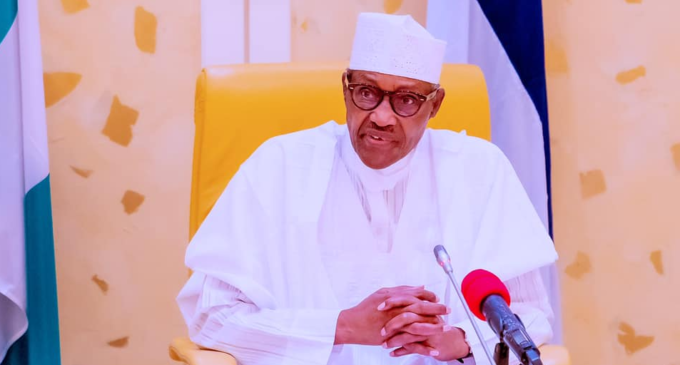
President Muhammadu Buhari has ordered all Ministries, Agencies and Parastatals (MDAs) to give priority to indigenous professionals for execution of national projects.
Buhari gave the directive on Thursday at the inauguration of the Presidential Monitoring and Evaluation Council of the Executive Order 5, at the Presidential Villa in Abuja.
This is contained in a statement by his Special Adviser on Media and Publicity, Mr. Femi Adesina, in which the President stressed that foreign professionals should only be considered where it had been certified that local expertise was not available.
“The Federal Government shall introduce Margin of Preference in National Competitive Bidding in contracts, in the evaluation of tenders, from indigenous suppliers of goods manufactured locally over foreign goods.
“All Ministries, Departments and Agencies (MDAs) shall ensure that any professional practising in Nigeria must be duly registered with the appropriate regulatory body in Nigeria.
“All MDAs shall ensure that for all consultancy contracts awarded to foreign companies, engineering drawings, necessary calculations, design, among others, are made available to their corresponding Nigerian partners, including arrangements with Small and Medium Enterprises (SMEs) as partners towards local production of needed materials,” the statement said.
It explained that Executive Order Number 5 was made to place Nigerian professionals and manufacturers at the centre of the nation’s economy.
The President said his administration would use the Executive Order 5 to midwife a new beginning that would transform Nigeria’s economy from resource-based to a knowledge-based and innovation driven.
President Buhari said suppliers and contractors under national competitive bidding process shall disclose local material (processed or unprocessed), where available and needed for the execution of projects. He added that designs for all contracts, programmes, projects, among others, shall be in English language before signing.
“The Ministry of Interior shall ensure that expatriate quota for projects, contracts, and programmes are granted according to the provisions of the Immigration Act and other relevant laws.
“This will apply where qualifications and competence of Nigerian Nationals are not available or cannot be ascertained, which shall be contingent on training such number of persons as may be required for the execution of the contract or project,” he said.
The President, who is also Chairman of the Presidential Monitoring Evaluation Council, said the team would oversee the general implementation of the Executive Order 5, while the secretariat would be domiciled at the Federal Ministry of Science, Technology and Innovation, supported by the Strategy Implementation Task Office for Presidential Executive Order 5 (SITOPEO-5).
Science, Technology and Innovation Minister Ogbonnaya Onu assured the nation that the Council would harness the human and natural resources of the country, reduce exportation of jobs and remove the current renting pattern, which fuels inefficacy.









Insurance
Lasaco Assurance Retains A(NG) Rating as Revenue Rises 35.2% to N30.8bn

Lasaco Assurance Retains A(NG) Rating as Revenue Rises 35.2% to N30.8bn
Lasaco Assurance Plc has retained its A(NG) national-scale financial strength rating for the 2025/2026 rating period, following an affirmation by Global Credit Rating Co. (GCR), with a stable outlook, in a development that highlights the insurer’s capital position and ongoing growth strategy.
The rating affirmation reflects the company’s risk-adjusted capital base, adequate liquidity and efforts to strengthen its underwriting capacity amid competition and evolving demands in Nigeria’s insurance industry.
According to the company, its financial performance was supported by a significant capital injection in 2026, which strengthened its capacity to underwrite larger and higher-value risks. The additional capital is expected to support its expansion plans and improve its ability to manage the financial risks associated with its insurance operations.
Lasaco Assurance recorded a 35.2 per cent increase in insurance revenue to N30.8 billion in 2025, reflecting growth across its business lines. The performance underscores the company’s efforts to expand its business portfolio and deepen its presence in the Nigerian insurance market.
Despite the revenue growth, the insurer continues to face underwriting performance pressures, making improved risk selection, pricing discipline and cost management important to its drive for stronger profitability.
The company is pursuing a range of strategic initiatives aimed at expanding retail insurance penetration, accelerating digitalisation and strengthening partnerships to attract new customers and improve service delivery.
READ ALSO:
- Man Allegedly Caught Using Old Tyres to Scam POS Operator
- BREAKING: FG Unveils 10 Measures to Cushion Fuel Price, Inflation Pressures
- 2027: ADC Vows to Collate, Share Polling-Unit Results Despite INEC Warning
These initiatives are also expected to support wider access to insurance products, improve operational efficiency and strengthen the company’s competitive position in a market where insurers are increasingly seeking innovative ways to reach individuals and businesses.
Lasaco Assurance’s diversified business portfolio remains a key component of its growth strategy, with several business lines contributing to its revenue. The company is also prioritising improved underwriting discipline and more effective use of reinsurance capacity to manage exposure to large claims and reduce earnings volatility.
Reinsurance enables insurers to transfer part of their risks to other insurance providers, helping them manage large exposures and preserve their financial capacity. For Lasaco Assurance, effective deployment of reinsurance arrangements is part of its broader effort to balance business expansion with risk management.
Commenting on the rating affirmation, the company’s Managing Director, Ademoye Shobo, expressed satisfaction with the recognition, describing it as a validation of the efforts and resilience of the company’s workforce.
“Lasaco Assurance is proud of this recognition, which validates the hard work and resilience of our team. Nonetheless, we remain fervently committed to continuous improvement and are actively working to elevate our rating through enhanced underwriting practices, operational excellence, and strategic growth,” Shobo said.
The company said its strengthened capital base and improved liquidity coverage had positioned it to pursue sustainable growth over the rating outlook period.
However, sustaining the positive momentum will depend on its ability to translate revenue growth into improved underwriting results, maintain adequate liquidity and manage risks effectively as its business expands.
The insurer’s emphasis on operational efficiency and disciplined underwriting reflects the need to balance growth with profitability, particularly in an industry where claims obligations, pricing pressures and changing market conditions can affect financial performance.
Lasaco Assurance also aims to increase its market share while delivering value to policyholders through improved products and service delivery. Its digitalisation strategy and retail market expansion are expected to play important roles in reaching more customers and strengthening its distribution channels.
The continued affirmation of its A(NG) rating provides a positive signal about the company’s financial strength within the national rating scale. However, the rating does not eliminate the operational and underwriting risks associated with its business.
As Lasaco Assurance advances its growth agenda, its ability to sustain revenue expansion, strengthen underwriting profitability and maintain sound capital and liquidity positions will remain important to its long-term performance and standing in Nigeria’s insurance sector.
Lasaco Assurance Retains A(NG) Rating as Revenue Rises 35.2% to N30.8bn
Auto
Jetour W Motors Celebrates Customers, Unveils Nigeria Owners Club After Brazil Promo

Jetour W Motors Celebrates Customers, Unveils Nigeria Owners Club After Brazil Promo
Jetour W Motors Nigeria is stepping up efforts to strengthen customer loyalty and build a vibrant community of vehicle owners with the successful conclusion of its #WinYourWayToBrazil campaign and the official establishment of the Jetour Nigeria Club.
The twin initiatives mark a new phase in the Chinese automotive brand’s engagement with Nigerian customers, extending its relationship with vehicle owners beyond sales and after-sales services to include shared experiences, lifestyle activities, adventures and community-building programmes.
The campaign climaxed with a live raffle draw on Friday, September 25, 2026, at the Jetour W Motors showroom on Adeyemo Alakija Street, Victoria Island, Lagos, where eligible customers gathered for an evening of entertainment, refreshments, networking and the eagerly anticipated announcement of the winner.
The promotion offered customers who ordered and purchased any Jetour vehicle between August 18 and September 20, 2026, the opportunity to win a trip to Brazil for the Jetour Brazil Fan Festival.
The event also featured the distribution of branded Jetour Owners Club gifts, adding to the celebratory atmosphere as customers interacted with one another and members of the Jetour team.
Beyond the excitement surrounding the raffle draw, the occasion provided a platform for Jetour W Motors to unveil the Jetour Nigeria Club, an initiative designed to bring owners of the brand’s vehicles together through a structured calendar of activities and shared experiences.
The club, officially established for the first time in Nigeria, is expected to create opportunities for members to participate in organised adventures, social gatherings and other community initiatives while strengthening their connection with the brand.
Registration for membership will open soon, with all Jetour owners invited to join the emerging community.
The development reinforces Jetour W Motors Nigeria’s strategy of building lasting relationships with customers in a competitive automotive market where ownership experience, customer engagement and brand loyalty are becoming increasingly important.
The #WinYourWayToBrazil campaign follows the successful Jetour Africa Expedition — Nigeria Edition, which brought together Jetour owners, influencers, media professionals and members of the company’s team for a distinctive experience combining driving, adventure and Nigerian culture.
The expedition was the brand’s first major activation specifically designed to bring Jetour owners together in Nigeria, providing an opportunity for participants to connect beyond their individual vehicle ownership experiences.
With the Brazil campaign and the launch of the national owners’ club, Jetour W Motors is building on that foundation by creating more opportunities for customers to interact, participate in brand-led activities and develop relationships with fellow owners.
The approach reflects a broader effort to position vehicle ownership as an experience that extends beyond the showroom, encompassing lifestyle, recreation and a sense of belonging to a growing community.
Jetour W Motors Nigeria is the authorised distributor of Jetour vehicles in the Nigerian market, where the brand continues to expand its presence through customer-focused initiatives and engagement programmes.
The planned opening of membership registration for the Jetour Nigeria Club is expected to provide the next opportunity for owners to become part of the community and participate in activities designed to deepen their connection with the brand.
Auto
FRSC hands over Safeline Bank to ROBOPAY, targets digital financial transformation
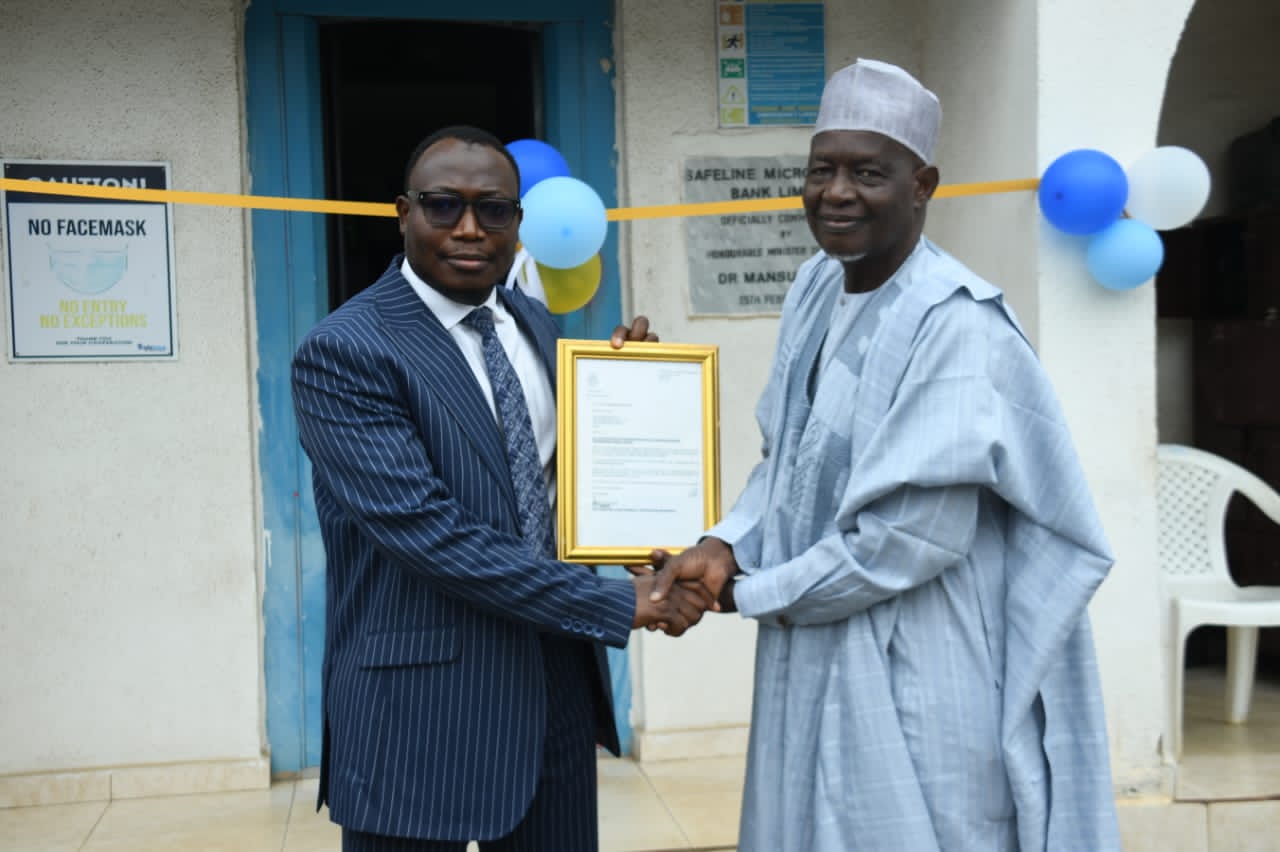
FRSC hands over Safeline Bank to ROBOPAY, targets digital financial transformation
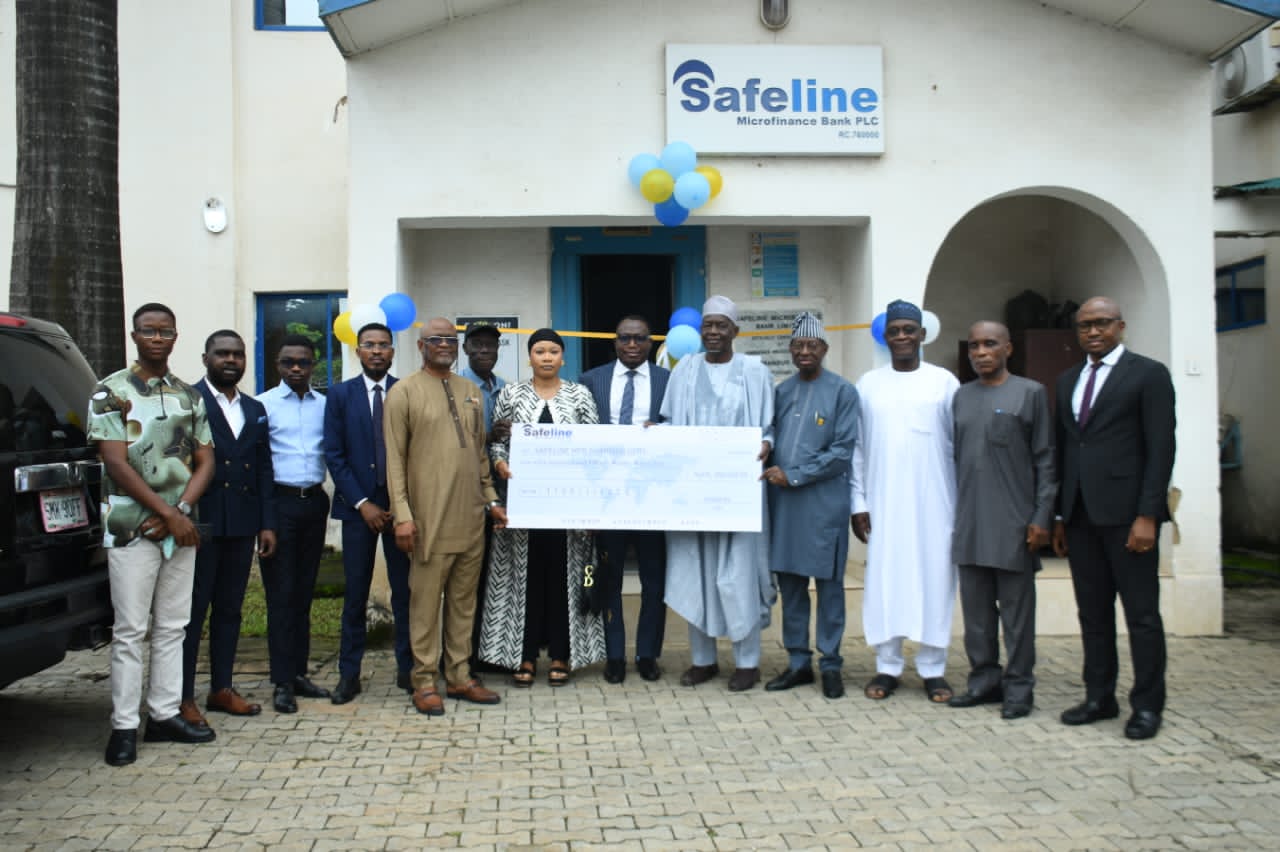
The Federal Road Safety Corps (FRSC) has handed over ownership of Safeline Microfinance Bank to ROBOPAY NIG. LTD., paving the way for a major recapitalisation and technology-driven transformation of the financial institution.
The divestment, which took place on Monday, October 5, 2026, at the bank’s premises in Abuja, is expected to reposition Safeline Microfinance Bank for stronger competitiveness, improved service delivery and sustainable growth in Nigeria’s rapidly evolving financial services sector.
The development, according to a statement by the Corps Public Education Officer, Osondu Ohaeri, is part of the strategic efforts under the leadership of the Corps Marshal, Shehu Mohammed, to reposition the institution for greater efficiency and competitiveness.
Safeline Microfinance Bank was established by the FRSC to provide financial services and opportunities to members of the Corps and other stakeholders.
Speaking at the handover ceremony, Chairman of the Board of Safeline Microfinance Bank, Ibrahim Babagana, a Deputy Corps Marshal (Rtd.), said the decision to divest the bank followed a careful assessment of the prevailing regulatory environment and emerging government policies affecting the microfinance banking industry.
Babagana said sustaining the bank under the changing financial landscape would require substantial additional capital, greater investment in technology and enhanced human capital.
He explained that the Board therefore resolved to transfer ownership to an investor with the capacity, resources and commitment to make the required investments and place the bank on a sustainable growth trajectory.
The former FRSC chief expressed confidence in ROBOPAY, saying the company had demonstrated the competence, commitment and vision required to build on the foundation established by the Corps and take Safeline Microfinance Bank to a new level.
He identified strengthening the bank’s capital base, deploying modern technology and investing in human resources as critical priorities for its survival and competitiveness in the increasingly digital financial services market.
Responding on behalf of ROBOPAY NIG. LTD, Malam Aliyu Abiodun thanked the Board and management of Safeline Microfinance Bank for the confidence reposed in the company, describing the acquisition as a significant milestone and an opportunity to unlock the institution’s considerable potential.
Abiodun said the bank already had valuable assets, structures and an institutional foundation which the new owners would build upon through strategic investments in financial technology, capital and human resources.
He said ROBOPAY would deploy FinTech solutions to modernise the bank’s operations, improve customer experience, expand its service offerings and strengthen its competitive position within Nigeria’s financial services industry.
According to him, the new ownership would retain and leverage the institutional foundation created by the FRSC while introducing innovative technology-driven solutions capable of opening new growth opportunities for the bank.
The transaction thus signals more than a change in ownership, as it ushers Safeline Microfinance Bank into a new phase anchored on recapitalisation, digital innovation and professionalised financial services.
Both parties expressed commitment to ensuring a seamless transition, with the ultimate objective of building a stronger, more competitive and sustainable institution capable of delivering greater value to its customers and stakeholders.
-

 metro3 days ago
Supreme Council For Sharia Secretary-General Nafiu Baba-Ahmed Dies
-

 metro3 days ago
UCH CMD: After Decades Without Muslim, Agunbiade Demands Fair Chance
-
 metro1 day ago
[UPDATED] 20 NYSC Prospective Corps Members Freed After Seven Days in Captivity
-
 News3 days ago
Iwo Son Becomes Yorubaland’s First Muslim Professor of Arabic Without Secondary School
-

 Politics2 days ago
‘No Decent Wages, No Credible Elections’ — Sowore Threatens 2027 Boycott
-

 Politics3 days ago
Tompolo’s PBAT Movement Suspends Campaign Over Ondo Military Crash
-

 metro2 days ago
Seven Years With Parkinson’s: Man Seeks N65m for Brain Surgery in Türkiye
-
 Politics2 days ago
2027: Obi Makes U-Turn, Vows to Restore Fuel Subsidy If Elected