

Business
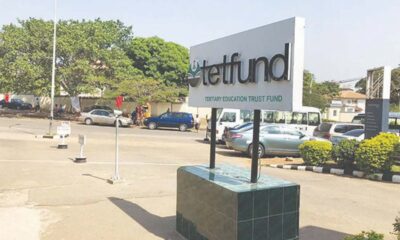
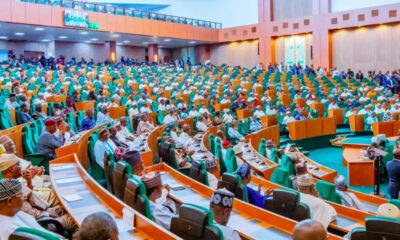
Reps slam FMBN, TETFUND over five-year unaudited accounts

The House of Representatives Committee on Public Accounts says it is a gross violation of the 1999 Constitution to have failed to audit for five years the accounts of the Federal Mortgage Bank of Nigeria (FMBN) and the Tertiary Education Trust Fund (TEFFUND).
The committee also uncovered that the Central Bank of Nigeria CBN and the Nigeria Social Insurance Trust Fund (NSITF) were yet to pay up their 30 per cent and 20 per cent respectively equity capital as shareholders of the bank as stipulated by the FMBN establishment Act.
Chairman of the House Committee, Oluwole Oke, and other lawmakers at an investigative hearing on audit queries by the Office of the Auditor-General of Federation on ministries departments and agencies of the Federal Government had queried the management of bank under its Managing Director, Mr Ahmed Dangiwa, and other officials of the agency on the five-year unaudited accounts.
Oke lamented that the audit queries raised by the Office of the Auditor-General of the Federation on the MDAs had shown that the revenue profile of the agencies was on the decline as earlier pointed out by the Ministry of Finance.
He expressed dissatisfaction over non-compliance of the agencies with the extant provision of the laws on audited accounts despite having made previous appearances to the committee on the contentious issue.
He wondered why the CBN and the NSITF had not paid up their 30 per cent and 20 per cent share of the mortgage bank’s equity in which the Federal Government was 50 per cent share.
But the Managing Director, Mr Ahmed, who explained that the Federal Government had paid N60 million out of the N1.5 billion being its share of equity in the bank informed the committee that the audited accounts were ready but was only awaiting agency’s board approval.
He further hinted that the present management of the bank had inherited the five years unaudited accounts from their predecessors in office adding that they have made efforts to clear the outstanding.
On the percentage equity shareholders capital in the mortgage bank, he said that the Federal Government owns 50 per cent, CBN owns 30 per cent while the Nigeria Social Insurance Trust Fund NSITF’s share is 20 per cent.
While ruling on the matter, the Chairman of the Committee said that the Clerk should write to the appropriate authorities in the CBN and NSITF asking them to pay up their equity shareholding in the mortgage institution.
Earlier, the committee had turned down the presentation one Mr Idris Alkali, a representative of the Executive Secretary of TETFUND, Prof Suleiman Bogoro, who asked that he be excused for attending official duties.
The House Committee nonetheless insisted that Mr Alkali must appear with authority letter from the TETFUND boss to represent him before the Committee unfailingly on Friday, February 5, 2021 in accordance with the provisions of the law.










Business
Why Nigerians’ Data Finishes So Fast: MTN Reveals the Hidden Data Drains
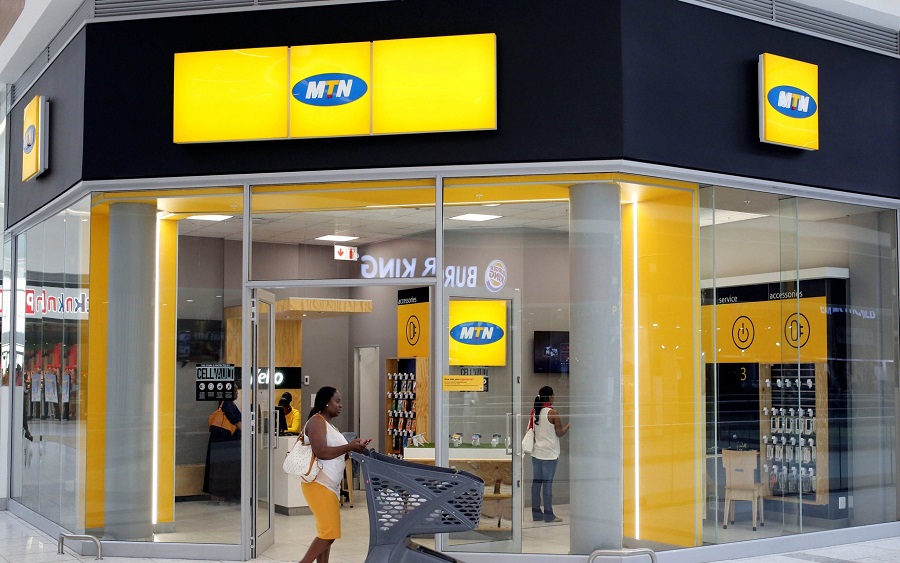
MTN Nigeria has explained why many subscribers complain that their mobile data bundles run out quickly, pointing to video streaming, background applications, automatic downloads and cloud backups as some of the major causes of high data consumption.
The explanation was offered during a forum tagged Data on Trial in Abuja on Monday, October 26, 2026, where telecommunications industry representatives and technology experts discussed consumer complaints about data depletion, billing transparency and how mobile data usage is measured.
Mike Ndukwe, MTN Nigeria’s General Manager of Network Performance, said subscribers could consume significant amounts of data without realising it because many smartphone applications continue to refresh content, download files or stream videos in the background.
He identified platforms such as TikTok, YouTube and Instagram as potential data drains, particularly when videos play automatically or stream in high definition. WhatsApp can also consume substantial data when media files download automatically or when chats and photos are backed up over mobile networks.
According to Ndukwe, a 15-second TikTok video could consume between two and 20 megabytes, depending on its quality. Repeatedly scrolling through short videos can therefore use up a data bundle faster than subscribers expect, especially when applications preload content before users choose to watch it.
READ ALSO:
- 21 Dead, 40 Injured as Drone Hits Market in Sudan’s Darfur Region
- Ansaru Claims Killing of Katsina Cleric Masussuka as Police Launch Manhunt
- MURIC Accuses Police Contractor of Refusing to Rebuild Mosque at Lagos Barracks, Demands Equal Treatment
Other common causes of rapid data depletion include automatic software updates, cloud services such as Google Photos and iCloud uploading pictures and videos, and applications refreshing content even when they are not actively being used.
Hotspot sharing can also accelerate data consumption. When subscribers share their phone’s internet connection with laptops or other devices, downloads, streaming and software updates on those devices may consume the available bundle without the phone owner immediately noticing.
David Ogunsola, MTN Nigeria’s General Manager of IT Operations, said differences could occur between the data usage displayed on smartphones and the volume recorded by the network. He attributed such variations to differences in measurement methods, background traffic and the timing of data sessions. He said discrepancies could range from about two per cent to 12 per cent in some circumstances.
MTN Nigeria Chief Executive Officer Karl Toriola also highlighted the high cost of operating telecommunications infrastructure, including expenses associated with powering and maintaining network sites.
The company said it was intensifying consumer education to help subscribers understand how their devices consume data. However, the explanation comes amid persistent complaints from Nigerians who say their bundles disappear faster than expected and want greater transparency in data billing.
Subscribers can take practical steps to reduce consumption. On Android phones and iPhones, users can check which applications consume the most data and restrict background activity for apps that are not essential. Reducing video streaming quality, disabling automatic media downloads and setting cloud backups and app updates to Wi-Fi only can also help.
Users should also turn off mobile hotspots when they are not needed and review their data usage regularly rather than waiting until a bundle is almost exhausted.
MTN subscribers can monitor their available bundles through the MyMTN NG app or by dialling 3234#. Customers who suspect unusual deductions should check their usage records and contact the network’s customer service for clarification.
The Nigerian Communications Commission (NCC) has also advised consumers to contact their service providers when they have concerns about data consumption or billing. Unresolved complaints can be escalated to the regulator.
While MTN maintains that ordinary smartphone activities account for much of the rapid data depletion, subscribers’ concerns about accurate billing remain important. Comparing phone-level usage with network records can help determine whether consumption reflects actual device activity or whether a complaint requires further investigation.
Why Nigerians’ Data Finishes So Fast: MTN Reveals the Hidden Data Drains
Auto
China’s Auto Price War Hits German Giants as Nigeria’s Market Offers Fresh Hope
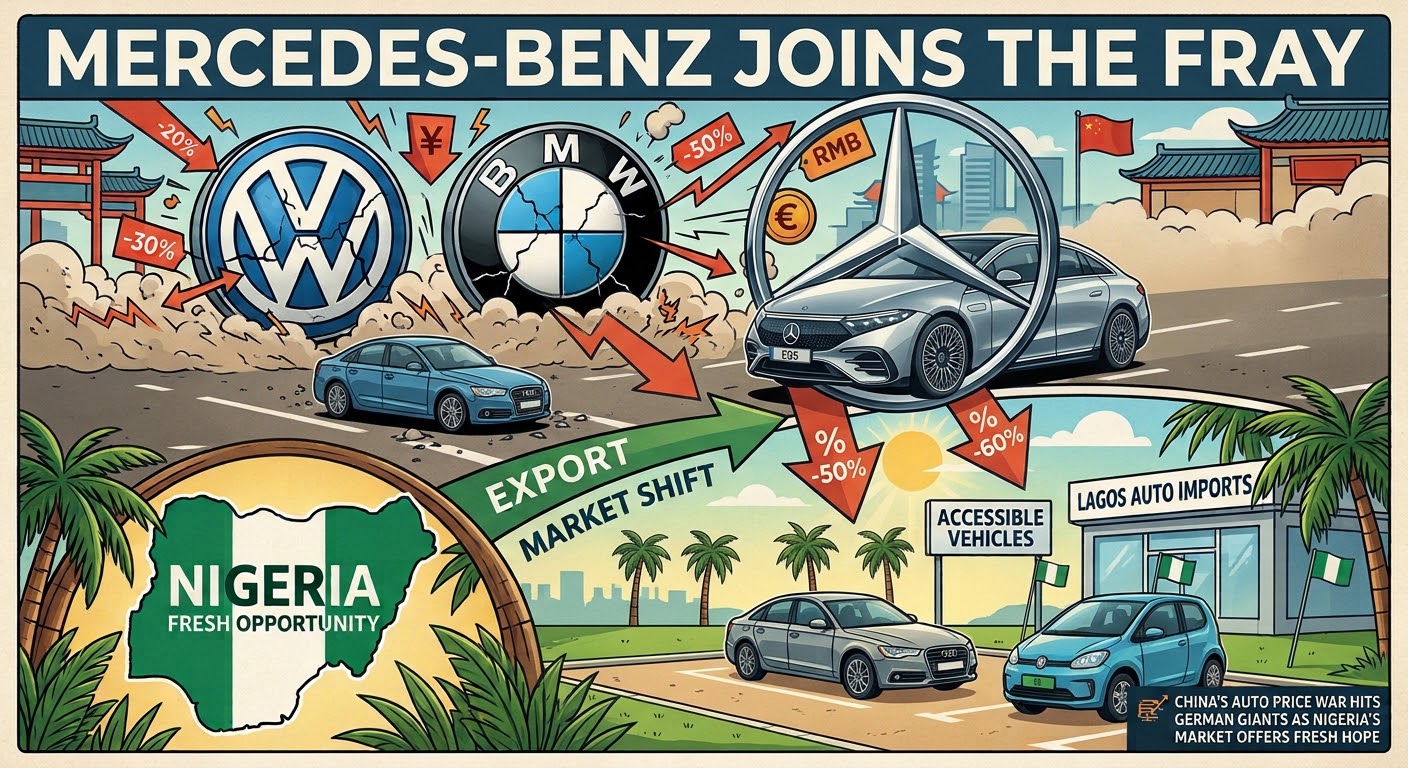
China’s Auto Price War Hits German Giants as Nigeria’s Market Offers Fresh Hope
The global automotive industry is facing a deepening shake-up as fierce competition from Chinese manufacturers, weakening demand and rising production costs force some of the world’s biggest automakers to slash profit expectations, even as Nigeria’s automobile market shows signs of renewed activity, with dealers reporting improved sales of new vehicles.
Mercedes-Benz, BMW and Volkswagen, three pillars of Germany’s automotive industry, have all come under mounting pressure from China, the world’s largest vehicle market, where domestic brands are increasingly challenging established international manufacturers with competitively priced vehicles, advanced electric-car technology and faster product development.
The latest warning came from Mercedes-Benz on Tuesday, October 27, when the luxury carmaker cut its 2026 profitability forecast, citing deteriorating market conditions in China and higher costs expected in the fourth quarter.
The company now expects an adjusted return on sales of between two and three per cent for its cars division, down from its previous forecast of three to five per cent. Its group operating profit is also expected to remain broadly flat compared with last year, instead of recording the previously anticipated improvement.
Mercedes-Benz’s car sales fell eight per cent year-on-year in the third quarter, with weak demand in China contributing to the decline. The announcement sent its shares down by more than five per cent during Tuesday’s trading.
BMW and Volkswagen have also lowered their financial expectations this year, reflecting the increasingly difficult operating environment confronting European manufacturers.
Chinese competitors, including BYD and other rapidly expanding electric-vehicle makers, are gaining ground through aggressive pricing, technological innovation and frequent model upgrades. The shift is forcing established brands to rethink their product strategies, production costs and investment priorities.
For German manufacturers that built their reputations on engineering excellence, premium vehicles and strong brand loyalty, the challenge is no longer simply selling more cars but maintaining profitability in a market where consumers have more alternatives and price competition is intensifying.
Nigeria’s contrasting market outlook
While the global picture presents significant challenges, Nigeria’s automotive market offers a more nuanced outlook.
Although many buyers of new vehicle in Nigeria are shifting to China-made brands largely due to low prices and improved technology, the Japanese, Korean and German automobiles are still holding their own, Newstrends can authoritatively report.
Despite persistent affordability concerns, high vehicle acquisition costs and pressure on household purchasing power, automobile dealers say demand for new vehicles by corporate buyers is picking up in Nigeria, suggesting that parts of the market may be regaining momentum.
However, the reported improvement should not be mistaken for a comprehensive industry recovery, as publicly available sales data have yet to establish a significant scale of increase.
Nigeria’s market dynamics also differ considerably from China’s. Import dependence, foreign-exchange exposure, financing costs and the purchasing power of consumers shape vehicle demand, while the relatively small base of locally assembled vehicles presents opportunities for manufacturers willing to invest in domestic production.
The Federal Government’s Nigeria First Policy is expected to influence this landscape by directing ministries, departments and agencies to procure vehicles from licensed local assemblers or their authorised retailers, subject to specified exceptions and approval requirements.
The National Automotive Design and Development Council’s Director-General, Oluwemimo Joseph Osanipin, has said Nigeria’s vehicle assembly plants have an annual capacity of 370,520 units. The government is seeking to increase local production, create jobs and reduce reliance on imported vehicles.
Osanipin has also highlighted the country’s substantial unmet vehicle needs, estimating that Nigeria requires about 40 million vehicles to adequately serve its population, compared with an estimated 12 million to 14 million currently on the roads.
These figures point to significant long-term opportunities, although translating them into actual sales will require improved affordability, accessible vehicle financing, stronger consumer confidence and dependable after-sales services.
For dealers, assemblers and distributors, the reported improvement in new-car sales offers encouragement. Sustaining that momentum, however, will depend on whether manufacturers can deliver vehicles that match Nigerian buyers’ budgets and operating conditions.
The contrasting developments underline a central reality for the global automotive industry: established manufacturers can no longer rely on brand prestige alone. In China, survival increasingly depends on competing with agile domestic rivals. In Nigeria, growth will depend on affordability, reliable customer service, accessible financing and policies that support local production.
As the industry navigates these competing pressures, the winners will be those that adapt fastest to changing consumer needs without sacrificing quality or financial sustainability.
After-sales service emerges a new strategy
More automobile dealers and assemblers in Nigeria are placing greater emphasis on after-sales service as a strategy to retain existing customers, attract new buyers and build long-term brand loyalty.
Companies such as Carloha Nigeria, Toyota Nigeria, Jetour Nigeria, Mikano Motors, Coscharis Motors, Hyundai Motors Nigeria and CFAO Mobility are among the industry players operating in a market where the customer experience increasingly extends beyond the point of sale to maintenance, spare-parts availability, warranty support and access to reliable service centres.
For customers investing millions of naira in vehicles, dependable after-sales support has become an important consideration, particularly as the cost of repairs, replacement parts and vehicle maintenance continues to rise. Buyers are increasingly concerned not only about the purchase price but also about the cost of keeping their vehicles roadworthy throughout their ownership.
For dealers and assemblers, the strategy offers an opportunity to differentiate their brands in a market where foreign-used vehicles remain a major source of competition. Accessible service centres, trained technicians, genuine spare parts, transparent maintenance costs and responsive customer-care teams can strengthen confidence and encourage repeat purchases.
The emphasis on customer retention is also commercially significant. A satisfied vehicle owner is more likely to return to the same dealer when replacing a car, recommend the brand to others and remain within its service network. Conversely, poor maintenance support and difficulty obtaining spare parts can undermine confidence, regardless of how attractive a vehicle appears in the showroom.
As Nigerian dealers report improving new-vehicle sales, particularly among corporate buyers, a stronger after-sales proposition could help sustain demand beyond fleet purchases and appeal to individual customers seeking greater value for money.
Ultimately, the evolving competition in Nigeria’s automotive market will not be decided by vehicle prices and specifications alone. Just as German manufacturers must respond to Chinese rivals with more competitive products, Nigerian dealers and assemblers must demonstrate that their brands offer dependable ownership experiences long after the keys have been handed over.
In a market where every major purchase demands careful financial consideration, the ability to keep customers satisfied after the sale may prove just as important as the ability to win them in the showroom.
Auto
On the Highway Marks 30 Years, Sets Agenda for Safer Roads, Sustainable Mobility

On the Highway Marks 30 Years, Sets Agenda for Safer Roads, Sustainable Mobility
As stakeholders prepare to assess Nigeria’s highway challenges, road safety, emergency rescue services and the transition to CNG-powered mobility at anniversary lecture in Lagos
JCN Consulting and On The Highway Africa, a magazine dedicated to Nigeria’s highway and transport sectors, will on November 3, 2026, mark three decades of highway journalism with a legacy lecture and anniversary celebration in Lagos.
The event, tagged JCN @ 30 (1996–2026): 30 Years On The Highway, is scheduled to hold at the Lagos Chamber of Commerce and Industry (LCCI), Ikeja, from 9 a.m., bringing together stakeholders from the automotive, transport, road safety, security, logistics, government and corporate sectors.
The milestone celebration is expected to provide a platform for reflecting on the evolution of highway journalism in Nigeria and Africa, while examining persistent challenges confronting the country’s road infrastructure and exploring pathways towards safer, more efficient and sustainable mobility.
Central to the anniversary programme will be discussions on road conditions, traffic congestion, road safety, emergency rescue services and Nigeria’s transition towards Compressed Natural Gas (CNG)-powered transportation.
The organisers have proposed two themes for the anniversary lecture: “30 Years On The Highway: Safety, Security and Sustainability – From Bad Roads to CNG Revolution” and “The Nigerian Highway in 2026: Roads, Roils & Rescue – Auditing Pain, Progress and the Pathway to Safe Mobility.”
The discussions are expected to draw attention to the realities confronting motorists and other road users, alongside the policy interventions, infrastructure improvements and industry collaboration required to address longstanding highway challenges.
Beyond the anniversary lecture, the celebration will feature a special legacy edition of the magazine documenting its 30-year journey, its contributions to road safety advocacy and its role in raising public awareness about developments in Nigeria’s highway and transport sectors.
Since its establishment in 1996, On The Highway Africa has maintained a focus on road conditions, traffic management, the experiences of road users and the broader issues shaping highway development. Through its reporting and advocacy, the publication has continued to draw attention to the need for safer roads and improved transportation infrastructure.
Over the years, its coverage has also evolved to accommodate emerging developments in the transport industry, including conversations around Nigeria’s CNG initiative and the drive towards cleaner and more sustainable mobility alternatives.
Speaking ahead of the anniversary, the Publisher and Chief Executive of JCN Consulting, Mrs Julie Chi-Nwaoha, described the milestone as an opportunity to acknowledge the contributions of the stakeholders, readers, partners and road users who have supported the publication throughout its journey.
“This is not just about me; it is about every road user, every stakeholder, every reader who has believed in our brand. Thirty years on the highway is by God’s grace and the support of great people who believe in me,” she said.
Chi-Nwaoha said the anniversary would provide an opportunity to celebrate the organisation’s achievements, reflect on its experiences and articulate its vision for the future of highway journalism and sustainable mobility in Nigeria.
The management disclosed that media partners, sponsors and well-wishers had begun indicating interest in supporting the anniversary, which is expected to attract participants from different segments of the transport and highway ecosystem.
The celebration comes at a time when road safety, highway infrastructure, efficient emergency response and alternative-fuel transportation remain important considerations in Nigeria’s mobility development.
For JCN Consulting and On The Highway Africa, the 30th anniversary represents not only a celebration of longevity in specialised journalism but also an opportunity to renew the call for safer highways, stronger transport infrastructure and greater accountability in addressing the challenges confronting road users across Nigeria and Africa.
For media enquiries, partnerships and sponsorship:
JCN Consulting
20A, Bayo Ajayi Street, CBD, Agidingbi, Ikeja, Lagos.
Telephone: 08130779590, 08023015560
Email: jcn4real@yahoo.com
Website: www.jcn.com.ng | ONTHEHIGHWAYAfrica.ng
-

 Politics2 days ago
2027: APGA Chairman Says South-East Must Back Tinubu to Secure Igbo Presidency
-

 metro9 hours ago
Cancelled Wedding: Man Sues Ex-Fiancée’s Father Over Unpaid ₦70,000 Dowry
-

 International2 days ago
France Deploys 70,000 Police as Cost-of-Living Protests Intensify
-

 Entertainment2 days ago
Tope Alabi Threatens Pastor With Lawsuit Over Toluwanisings’ Death Claims
-

 metro2 days ago
Borno: Troops Kill 15 Terrorists in Midnight Air Strike
-

 Auto10 hours ago
Car of the Year, other top honours up for grabs as NAJA Awards race begins
-

 Politics2 days ago
Atiku Condemns Attack on Edo Comedian Over Refusal to Support Tinubu
-

 News2 days ago
Bill Clinton condemns anti-Muslim prejudice, cites Qur’an’s message of coexistence
You must be logged in to post a comment Login