

Health
Warning to men with beer bellies as scientists find protruding gut may raise the risk of dementia

Warning to men with beer bellies as scientists find protruding gut may raise the risk of dementia
Beer bellies may cause brain aging and reduced cognition in middle-aged men, a study found.
Those carrying extra abdominal weight and with a family history of Alzheimer’s disease were found to have lower brain function (stock)
Those carrying extra abdominal weight and with a family history of Alzheimer’s disease were found to have lower brain function.
Researchers believe higher fat deposits in the pancreas and liver may lead to a higher risk of dementia.
However, this was not the case for women.
Michal Schnaider Beeri, of Rutgers Health, New Jersey, said: ‘In middle-aged males at high Alzheimer’s risk, but not females, higher pancreatic fat was associated with lower cognition and brain volumes, suggesting a potential sex-specific link between distinct abdominal fat with brain health.’
The researchers studied 204 healthy middle-aged people with a family history of Alzheimer’s disease.
They found men with higher abdominal fat had lower cognitive function.
Previous studies have shown that men with higher BMI are at increased risk of dementia.
READ ALSO:
- Court will decide who won Edo PDP primary – Philip Shaibu
- 62 agencies collecting revenue causing tax leakages, says FIRS chairman
- Investors lose N1.5trn in stocks over new monetary policy
But this new research suggests the problem relates specifically to middle-age spread.
Subcutaneous fat (left) is more visible outside of the body, padding the outer layers of muscle just underneath the skin. People with more of this fat will have a ‘pear-shaped’ body. People with more visceral fat (right), which is more dangerous but less noticeable, are at an increased risk of many metabolic diseases
Sapir Golan Shekhtman, of Sheba Medical Center in Israel, added: ‘Our findings indicate stronger correlations compared to the relationships between BMI and cognition, suggesting that abdominal fat depots, rather than BMI, is a risk factor for lower cognitive functioning and higher dementia risk.’
The study is published in the journal Obesity.
The excess fat that accumulates around the torso and surrounds vital organs is called visceral fat — and it contributes to a beer belly and an undesirable apple body shape.
Visceral fat is the most dangerous type, leaking fatty acids into the bloodstream. It differs from the less dangerous subcutaneous fat that accumulates just below the skin’s surface and is responsible for wobbly fat and cellulite.
It comes after a study of more than 2.5million people and found that every extra 4in (10cm) of waist size was associated with an 11 per cent higher chance of dying prematurely from any cause.
But having broad hips or larger thighs can help us to live longer, the study said.
Many academics believe waist circumference is a more accurate indicator of obesity, and risk for illnesses such as type 2 diabetes and heart disease, than the commonly-used body mass index (BMI).
Warning to men with beer bellies as scientists find protruding gut may raise the risk of dementia









Health
Aproko Doctor Warns Nigerians Against Rinsing Mouth With Untreated Borehole Water

Aproko Doctor Warns Nigerians Against Rinsing Mouth With Untreated Borehole Water
Nigerian doctor and health educator Chukwuma Okoro, popularly known as Aproko Doctor, has warned Nigerians against using untreated borehole water to rinse their mouths, saying contaminated water may expose people to Helicobacter pylori (H. pylori), a bacterium associated with peptic ulcers.
Aproko Doctor issued the warning in a video shared on X on Monday, September 21, 2026, urging people to pay attention to the quality and source of water used for everyday activities, including brushing the teeth and rinsing the mouth.
He specifically raised concern about borehole water sourced from residential compounds, particularly where the borehole and surrounding plumbing or sanitation infrastructure may not be properly constructed or maintained.
According to him, H. pylori is one of the common causes of peptic ulcers. He warned that people who use untreated water for oral hygiene could potentially be exposed to bacteria if the water source has been contaminated.
He also pointed to the possible risk of contamination where borehole water pipes are located close to wastewater or soakaway systems.
However, the relationship between H. pylori and drinking water is more nuanced than suggesting that untreated borehole water directly causes ulcers. H. pylori has multiple possible transmission routes, and contaminated water is considered one potential route of exposure.
READ ALSO:
- Jetour T1 Storms Abuja as Automaker Accelerates Nigeria Expansion
- Kidnapped Female Police Officer Found Dead in Ebonyi as Suspect Leads Police to Remains
- CNN, MS NOW, Politico Sue Trump Over White House Access Ban
Aproko Doctor advised people who are uncertain about the safety of their water to treat it before use. He mentioned boiling, proper filtration and suitable chemical disinfection as possible measures for reducing microbial contamination.
The warning is particularly relevant in Nigeria, where borehole water is widely used by households, businesses and institutions because of inadequate or unreliable public water supplies in many communities.
Having a borehole does not, by itself, mean that the water is unsafe. Water quality can depend on the location and depth of the borehole, its construction, the surrounding environment, the condition of pipes and storage facilities, and whether the water is regularly tested and treated.
Residents who rely on boreholes can reduce potential risks by ensuring that boreholes are properly constructed, keeping sanitation systems appropriately separated from water sources, maintaining water tanks and plumbing, and having water tested periodically.
People should also avoid assuming that clear-looking water is necessarily free of harmful microorganisms, as some forms of contamination cannot be detected by sight, smell or taste.
Aproko Doctor also highlighted other factors associated with peptic ulcers, including frequent use of certain painkillers. H. pylori infection and the use of non-steroidal anti-inflammatory drugs, including medicines such as ibuprofen and naproxen, are among the established major causes of peptic ulcers.
The health educator’s warning therefore extends beyond drinking water to the wider issue of household water safety.
For individuals experiencing persistent symptoms that could indicate an ulcer or another gastrointestinal condition, medical evaluation is advisable rather than relying solely on home remedies or self-medication.
Symptoms such as persistent upper abdominal pain, vomiting, unexplained weight loss or black, tarry stool require particular attention because gastrointestinal bleeding can be a serious complication.
The broader public-health message is that households should pay attention to the safety of water used not only for drinking and cooking but also for oral hygiene.
While contaminated water can present microbial health risks, H. pylori infection is not established as being caused by every source of untreated borehole water. The safety of individual borehole supplies depends on factors including construction, location, sanitation, treatment and water quality testing.
Aproko Doctor Warns Nigerians Against Rinsing Mouth With Untreated Borehole Water
Health
Lagos Residents Raise Alarm Over Fufu Processing, Preservation Methods
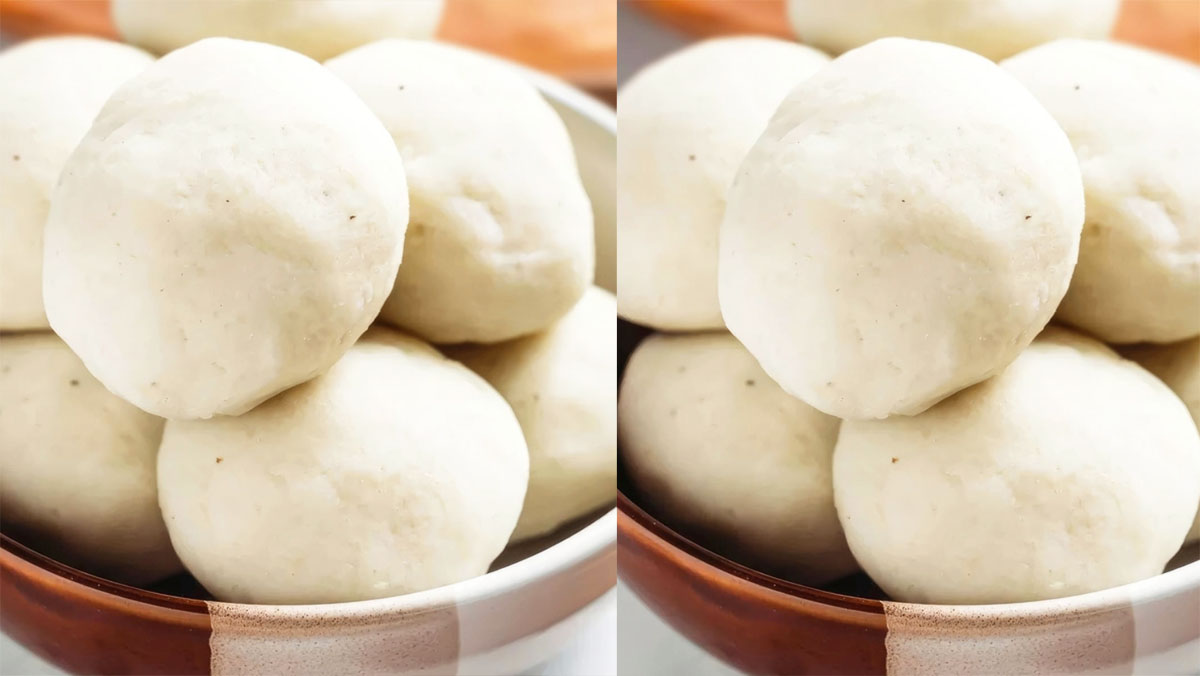
Lagos Residents Raise Alarm Over Fufu Processing, Preservation Methods
Some Lagos residents have raised concerns over the preparation and preservation of fufu, with some consumers saying they have reduced or stopped buying the fermented cassava staple because of concerns about hygiene, contamination and possible food poisoning.
The concerns were raised by consumers in different parts of Lagos following complaints about the way some processors handle, prepare and store the popular food.
Fufu, also known as akpu or Santana, is traditionally made from fermented cassava. The cassava is peeled, soaked in water for fermentation, processed into a paste, strained and subsequently cooked into the smooth dough commonly eaten with soups.
For many Nigerians, fufu remains an important staple, but its traditional processing requires careful attention to water quality, cleanliness, handling and storage to prevent contamination.
A resident of Ajegunle, Omena Udonwa, said her family had resorted to preparing fufu at home because of her concerns about the practices of some commercial processors.
She alleged that she once found a piece of rubber inside purchased fufu, saying she could have consumed it if she had not been careful.
Udonwa also expressed concern after allegedly witnessing a producer use detergent to wash cassava during processing.
Another resident of Costain, Adedayo Falade, said he had reduced his consumption of fufu despite enjoying the food because of what he described as poor preparation practices by some producers.
Falade said some fufu sold in Lagos could remain unsold for several days, affecting its quality and taste. He also complained about products that developed unpleasant odours or became excessively sticky.
He said he preferred sourcing fufu from outside Lagos because of his concerns about the way some products were processed locally.
However, the concerns expressed by individual consumers do not mean that all fufu produced or sold in Lagos is unsafe.
A resident of Agege, Anuoluwapo Ayeni, acknowledged that there were processors who followed acceptable practices but urged consumers to pay attention to where they purchased the food.
READ ALSO:
- APC Wins Four of Five By-Elections as APM Takes Bauchi Seat
- Atiku Offers Scholarship to Viral Niger Teen Miner After 37 Miners’ Deaths
- NDLEA Seizes N3.4bn Drugs, Arrests Fake Police Officer in Nationwide Crackdown
She advised buyers to establish, where possible, how the fufu they consume is processed and handled.
A processor at Santana International in White Sand, Oyingbo, Hope Aniekan, described the traditional processing method used at her facility and rejected suggestions that all producers engage in unsafe practices.
According to her, cassava is peeled and thoroughly washed with clean water before being soaked for about two days. The fermented cassava is then taken to a mill, ground and filtered to remove unwanted particles.
She said the resulting paste is put in a sack, covered with plantain leaves and weighted with a heavy stone as part of the processing procedure.
Aniekan said her operation uses salt as a preservative against maggot infestation and does not add other harmful substances. She, however, acknowledged that she could only speak for her own processing operation.
She also said there were rumours of some processors using substances intended to accelerate fermentation, although such claims would need to be independently verified in individual cases.
Another trader at Costain, identified as Mama Chinonso, said she uses a warmer to preserve her fufu rather than adding chemical preservatives.
She said the method could keep the product fresh for several days depending on weather conditions, although the safety of any food stored for extended periods depends on factors including temperature, hygiene and handling.
The concerns come amid wider discussions about food safety in Lagos, where regulators and food scientists have warned about unsafe practices across informal food supply chains.
At the Lagos State Food Safety 2026 Conference and Exhibition held in Ikeja earlier in September, regulators, scientists and consumer advocates discussed concerns over food contamination and adulteration.
The Lagos State Consumer Protection Agency also described food safety as an important public-health and economic issue for the state.
The issue extends beyond fufu. Food-safety experts have repeatedly raised concerns about the handling, storage and processing of various foods sold through informal markets and street-vending networks.
Research into traditional ready-to-eat food vending in Nigeria has shown that storage practices vary among vendors, with some using refrigerators or freezers while others avoid keeping leftovers and instead produce quantities intended for same-day sales.
Scientific literature has also identified microbial contamination as a potential concern in traditionally prepared fufu and other swallow foods when hygiene and food-handling practices are inadequate.
A recent review of research on microorganisms and mycotoxin contamination in swallow meals noted that fufu and other ready-to-eat foods can become vulnerable to contamination through excessive handling, poor personal hygiene, contaminated water and inadequately cleaned utensils and processing equipment.
The research does not establish that commercially sold fufu in Lagos is generally unsafe. Rather, it highlights why food hygiene, clean water, appropriate processing and proper storage are important in reducing contamination risks.
The fermentation process itself is an established part of traditional fufu production. Proper cassava processing is also important because cassava contains naturally occurring cyanogenic compounds that must be adequately reduced through appropriate processing.
The concerns raised by Lagos consumers therefore highlight the need for consumers, processors and regulators to pay attention to safe cassava processing, hygienic handling and appropriate preservation practices.
For consumers, the reports also underscore the importance of buying ready-to-eat foods from processors and vendors who maintain clean processing environments and proper storage conditions.
At the same time, allegations involving the use of detergents, bleach or other unapproved substances should not be treated as established facts without evidence from regulatory inspections or laboratory testing.
The concerns ultimately point to a broader challenge in the informal food sector: ensuring that traditional foods remain affordable and accessible while meeting acceptable standards of food safety and hygiene.
Lagos Residents Raise Alarm Over Fufu Processing, Preservation Methods
Health
Men’s Health: Common Warning Signs, Conditions Men Should Not Ignore

Men’s Health: Common Warning Signs, Conditions Men Should Not Ignore
Nigerian men have been urged to pay closer attention to their health, with experts stressing the importance of early detection, regular check-ups and healthier lifestyle choices in preventing or managing a range of common health problems.
A health-focused report highlights several conditions and warning signs that men should not ignore, including testicular lumps, abdominal obesity, prostate problems, erectile dysfunction, stroke, Type 2 diabetes and changing moles.
The report notes that many men’s health problems can develop gradually, meaning that some symptoms may be overlooked until a condition becomes more serious. Regular medical checks can help identify potential problems earlier and allow appropriate treatment or lifestyle changes.
One warning sign men should take seriously is a lump or abnormality in the testicles. Testicular cancer is particularly associated with younger men, and any unexplained swelling, lump or other unusual change should be assessed by a healthcare professional.
Although not every testicular lump is cancerous, medical evaluation is important because early diagnosis can improve treatment outcomes.
Another concern is abdominal obesity, particularly excess fat around the waist. The report links excessive abdominal fat with an increased risk of conditions including high cholesterol, diabetes, hypertension and cardiovascular disease.
Maintaining a healthy weight, eating a balanced diet and engaging in regular physical activity can help reduce some of these risks.
Men are also advised to pay attention to changes in their urinary habits, particularly as they grow older.
READ ALSO:
- Irreconcilable Developments: Wedding Cancelled 24 Hours Before Ceremony
- Police Arrest Six Suspected Cultists, Recover Four Firearms in Delta
- 2027: NDC Predicts Wider Obi Victory Over Tinubu in Lagos
An enlarged prostate can put pressure on the tube through which urine leaves the bladder, making urination difficult. Symptoms may include frequent urination, waking several times at night to urinate and pain or burning during urination.
Such symptoms can occur with different prostate conditions, including prostate cancer, and should not automatically be dismissed as a normal part of ageing. Medical assessment can help determine the underlying cause.
The report also highlights erectile dysfunction, commonly referred to as impotence.
While occasional difficulty getting or maintaining an erection can occur, persistent erectile problems may warrant medical attention. Erectile dysfunction can sometimes be associated with underlying conditions such as heart disease, diabetes and high blood pressure.
Lifestyle changes may help some men, while others may require medical treatment depending on the underlying cause.
Another major health concern is stroke, with high blood pressure and unhealthy lifestyle habits among important risk factors.
Men are encouraged to have their blood pressure checked regularly and to address factors such as physical inactivity, unhealthy diets, smoking and excessive alcohol consumption.
The report also draws attention to oral health, noting research linking gum disease with cardiovascular conditions, including heart disease and stroke.
Regular dental check-ups and good oral hygiene can therefore form part of a broader approach to preventive healthcare.
Type 2 diabetes is another condition that may develop without being recognised immediately.
Possible symptoms include frequent urination, particularly at night, increased thirst, unexplained weight loss, tiredness, blurred vision, genital itching or recurrent thrush, and cuts or wounds that take longer than usual to heal.
Lifestyle changes, including maintaining a healthy weight, eating a balanced diet and staying physically active, can help reduce the risk of developing Type 2 diabetes and may help manage the condition.
The report also stresses the importance of managing stress and maintaining healthy daily routines.
Persistent stress, particularly when combined with poor diet, inadequate physical activity and insufficient rest, can contribute to poorer overall health. Making time for rest, exercise and social activities can support general wellbeing.
Men are further advised to monitor moles and other changes in the skin.
A mole that changes in colour or shape, becomes persistently itchy or begins to bleed should be examined by a healthcare professional. While many changes are harmless, medical assessment can determine whether further investigation is required.
The broader message is that preventive healthcare should become part of men’s routine rather than something pursued only when serious symptoms develop.
Regular health checks can help identify conditions such as high blood pressure, diabetes and other chronic diseases before they lead to serious complications.
The health concerns highlighted are not restricted to older men. Some conditions, including testicular cancer, can affect younger adults, while obesity, hypertension, diabetes and cardiovascular problems can affect men across different age groups.
Men experiencing persistent, unusual or worsening symptoms are advised to seek professional medical attention rather than relying on self-diagnosis.
Early attention to changes in the body, combined with healthier lifestyle choices and appropriate medical care, can help men manage health risks more effectively.
The key message is simple: pay attention to warning signs, undergo appropriate health checks and seek medical advice when something appears unusual.
The information is intended for general health awareness and should not be treated as a substitute for personalised advice from a qualified healthcare professional.
Men’s Health: Common Warning Signs, Conditions Men Should Not Ignore
-

 Entertainment2 days ago
“She Wanted to Stay Single”: Rema Opens Up About Rejection That Inspired Hit Song ‘Oh No’
-

 metro2 days ago
Oyo Police: Student Who Died by Suicide Was Charged With Assault, Not ₦8,000 Debt
-

 metro3 days ago
Niger Miners’ Deaths: Families Demand Compensation, Justice for Victims
-

 metro2 days ago
Mambilla: ICC Raises Questions Over $500,000 Payment to Atiku’s Former Wife
-

 Auto2 days ago
Abuja Demand Rises as Jetour Brings X70 Plus Experience to FCT
-

 International13 hours ago
18 Suspects Transferred to US Over 2021 Killing of Haitian President Moïse
-

 Politics2 days ago
2027: NDC Predicts Wider Obi Victory Over Tinubu in Lagos
-

 metro2 days ago
Irreconcilable Developments: Wedding Cancelled 24 Hours Before Ceremony