

Opinion
Wasiu Ayinde, Bobrisky and the Nigerian Army (1)
Wasiu Ayinde, Bobrisky and the Nigerian Army (1)
Tunde Odesola
(Published in The PUNCH, on Friday, April 5, 2024)
Life is a peaceful war. It’s a funny dirge. Life is the mystery of the eyeball and the proverbial pointed stick the Yoruba call ‘igi ganganran’. Igi ganganran, the pointed stick, aims to rupture the pupil, but a blink and the eye is saved from eternal darkness by the eyelids. Life could be a close shave, closed cave, or rosebed depending on what lies in the stars.
Life’s the pendulum in the Grandfather Clock, swinging left and right, like the balls of the bull, ępón máàlu, ever dangling, never falling. At times, I wonder, mischievously, while watching battles in wildlife – what does it profit the bull hobbling to safety after losing its balls to a lion? Holy danger, that’s what life is! Impotence is a disgraceful death.
Since my father died on Sunday, March 3, 2024, life has left me reflecting on death and the fleeting nature of man’s candle-like existence. How God wired the thread of man’s existence to breath, a gaseous exchange of invisible air, is the acme of wonderfulness.
The peerlessness of God’s epic creation – Man – lies in the profound internal organs such as the brain, heart, kidneys, lungs etc – whose functions are fuelled by the oxygen in the bloodstream. Takbir! Allahu Akbar!
All of Man’s science and technology advancements – cars, bombs, planes, ships, lasers etc, are patterned after God’s intricate designs in nature – without giving royalties to God. I don’t know of any machine constructed by man that does not have orifices to let out heat just like God infused in man nostrils and skin pores to regulate the input and output of heat. The eye, brain and heart are not more important than the orifices in the nostrils, ears, anus and reproductive organs. “And God saw everything that He had created, and, behold, it was very good…,” Genesis 1:31. It’s Man that uncreates. And when Man uncreates, the natural line to toe should be that of confession and restitution.
A few days ago, the largest Army in Africa, the Nigerian Army, which is neither the strongest nor the most effective on the continent, went after the Editor of an online newspaper, FirstNews, Segun Olatunji, who didn’t have the sling of David. In comparison, the Nigerian Army, like Goliath of Gath in 1st Samuel:17 (4-7), “was six cubits and a span in height, wearing a bronze helmet on the head, with a bronze coat weighing 5,000 shekels, and an armour of bronze on the legs and a javelin of bronze between the shoulders.”
READ ALSO:
- Nobody died in stampede during palliatives distribution in Katsina — Police
- Robbers steal $30m cash in one of US city’s biggest heists
- US warns citizens over Shiites protest in Abuja, others
The shaft of the Nigerian Army’s spear, like Goliath’s, “was like a weaver’s beam, and its iron point weighed 600 shekels…” But, in the àtunbòtán fate that befalls bullies, the colourless reputation of the Nigerian Army was shredded in the court of public opinion with the thoughtless arrest and detention.
In a quarter of a century-old democracy, the very boozy Nigerian Army, oh, sorry, I mean very busy Nigerian Army, deployed about 30 soldiers to arrest a journalist it labelled a terrorist, raided his home and found only a laptop, pens, jotters and a bread knife. What a hArmy!
Nigeria always moves on, eni ku, ni ti e gbe; the dead are the unfortunate lot. Therefore, I won’t open old wounds here and recall the killing of 85 Nigerians whom the military blasted into the great beyond last December, in Kaduna, via twin drone bombings, and described the holocaust as a mistake. Those unfortunate Nigerians were celebrating a festival when the Nigerian military struck.
Reporting the incident, The Washington Post, on December 6, 2023, said, “A drone strike by Nigeria’s military killed scores of civilians celebrating a religious festival, the deadliest single incident on a growing list of such mistakes. Nigeria’s National Emergency Management Agency put the death toll at 85 civilians in the village in Tudun Biri in Kaduna state on Sunday.
“The incident has raised concerns across the country about what many see as a worrying history of military and intelligence failures by (Nigeria’s) armed forces that have received sustained security support from the United States as they combat a variety of security crises, including Islamic extremists and a growing network of armed groups known as bandits.
“This incident — the latest in a series and by no means the last — shows that bad policy and poor leadership have a real human cost.”
Thank goodness the US is now seeing and applauding the good end to which the Nigerian military is directing the financial and intelligence support received from America. Up Nigeria!
Referencing an allegation of illegal abortions by the Nigerian military, The Washington Post said, “The military is impervious to reforms and internal review process for reviewing such mistakes…There is no investigation, no internal review mechanism, and certainly no compensation for families of the victims. That is what makes it bad.”
READ ALSO:
- Nnamdi Kanu appeals against trial court’s ruling
- Kano govt reopens ex-Gov Ganduje dollar bribe case
- 10 things to know about the newly revised 2024 Student Loan Act
In its cold-blooded characteristic, the Nigerian Army hasn’t said a word on the kidnapping and 12-day detention of Olatunji by soldiers, leaving many questions unanswered. For instance, what’s the name of the unthinking Goliath who ordered the arrest of Olatunji? If Olatunji was a terrorist, why wasn’t he taken to court? Has the Army or the Presidency queried the Head of the Defence Intelligence Agency, Major General Emmanuel Undiandeye, who was accused of running his office like a family business? Doesn’t the flagrant arrest of Olatunji justify the allegation that Undiandeye was running his office like a family business? Does the kidnapping and detention of Olatunji portray the military hierarchy as responsible?
The questions are endless. Another story by FirstNews alleged that a Presidency top dog was attempting to corner ‘$30bn and 66 properties’ a special investigator appointed by Tinubu, Jim Obazee, traced to a sacred cow in the immediate past administration. Was this the real reason why Olatunji was detained?
Olatunji was arrested in Lagos on March 15, 2024, by faceless soldiers attached to the Defence Intelligence Agency and flown to Abuja over a story entitled, “Defence chief running office like a family business.” A preschool Nigerian kid knows that if Olatunji had died in custody, the Army was mostly likely to bury him secretly and deny ever arresting him.
Unafraid of no other colour but khaki green, Nigeria’s great President, Asiwaju Bola Tinubu, read about the dehumanisation of Citizen Olatunji, in the same way he reads tones of stories of killings and human rights abuse across the country daily, and what did the President do? He looked away like Mr See No Evil.
The impunity with which Olatunji was arrested and the deafening silence that followed his release portrayed the Army as jittery, uncomfortable, shoddy and unintelligent. Deploying 30 soldiers and a military plane to arrest a journalist should earn the Nigerian Army a copious mention in the Guinness World Records, under the title, “World’s Most Wasteful Army.”
Wasiu Ayinde, Bobrisky and the Nigerian Army (1)
To be continued.
Email: tundeodes2003@yahoo.com
Facebook: Tunde Odesola
X: Tunde_Odesola







Opinion
Ejimakor: Kanu, IPOB Members Should Not Be Jailed Over Biafra Agitation
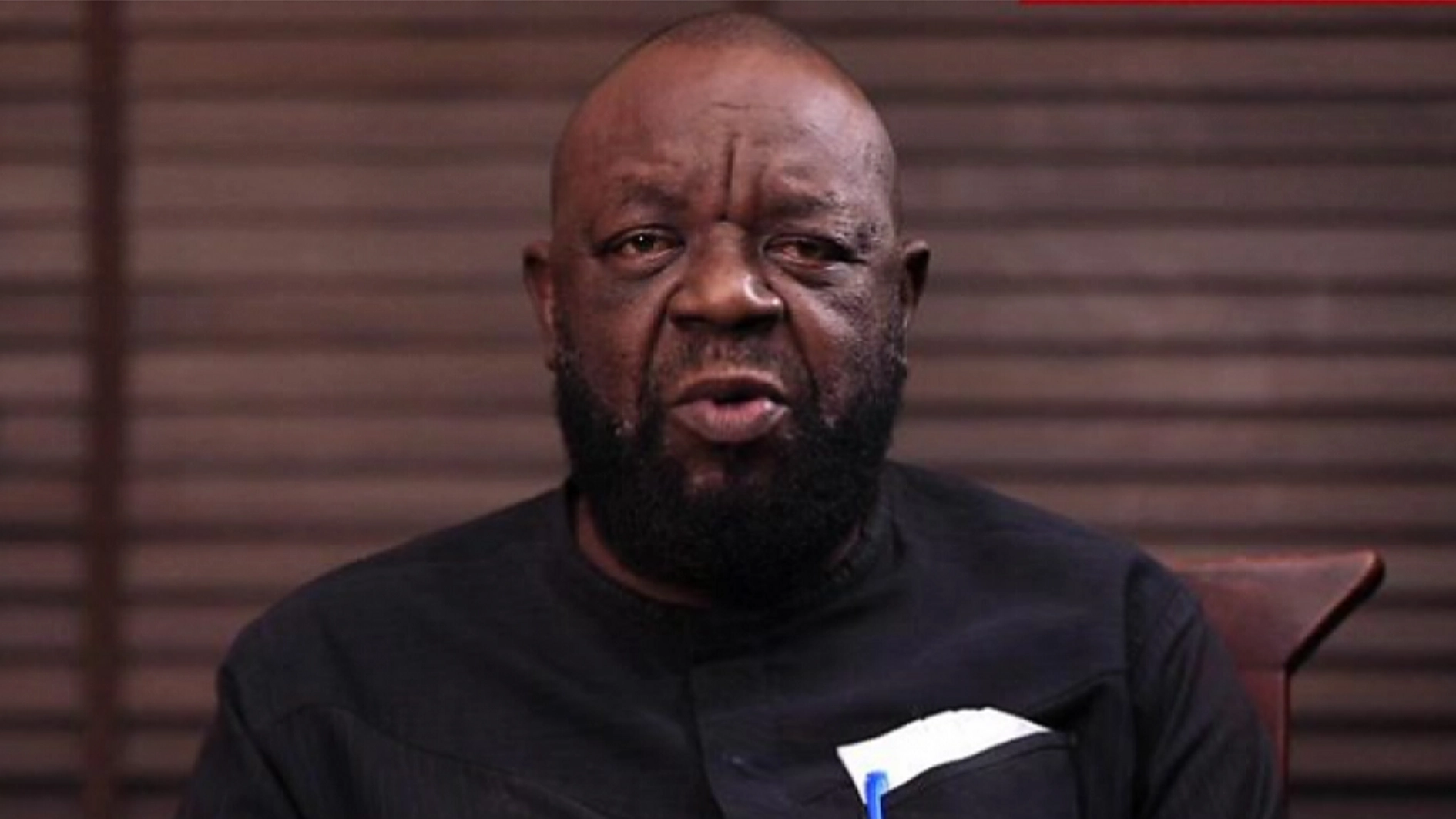
Aloy Ejimakor, Special Counsel to Indigenous People of Biafra (IPOB) leader Nnamdi Kanu, has called for the release of people he described as prisoners of conscience ahead of Nigeria’s 2027 general elections.
Ejimakor made the demand while arguing that the continued imprisonment of Kanu and other alleged IPOB members for their separatist position could further deepen political and social divisions in the country.
In a statement issued on Saturday, the lawyer said the Nigerian government should address the grievances driving calls for Biafra rather than relying on prosecution and imprisonment.
He maintained that advocating for self-determination, regardless of how controversial or forceful the expression may be, should not automatically amount to terrorism or treason.
According to Ejimakor, democratic societies should have room for political opinions that are unpopular or challenging to the existing order.
He warned that punishing people for expressing separatist aspirations could create greater resentment and make efforts at national reconciliation more difficult.
The lawyer also pointed to examples of countries and territories where demands for self-determination had resulted in political processes, including referendums.
Ejimakor argued that Nigeria should similarly consider political engagement and dialogue as a way of addressing the Biafra question.
He further criticised what he described as the criminalisation of political dissent, saying the government should focus on resolving the grievances behind the agitation.
The lawyer consequently urged the Federal Government to consider freeing what he called prisoners of conscience before the 2027 elections, arguing that dialogue and a political settlement would offer a more sustainable path to peace.
Health
“Cheap Alcohol Fuels Banditry”: NAFDAC Chief Stands Firm on Sachet Ban
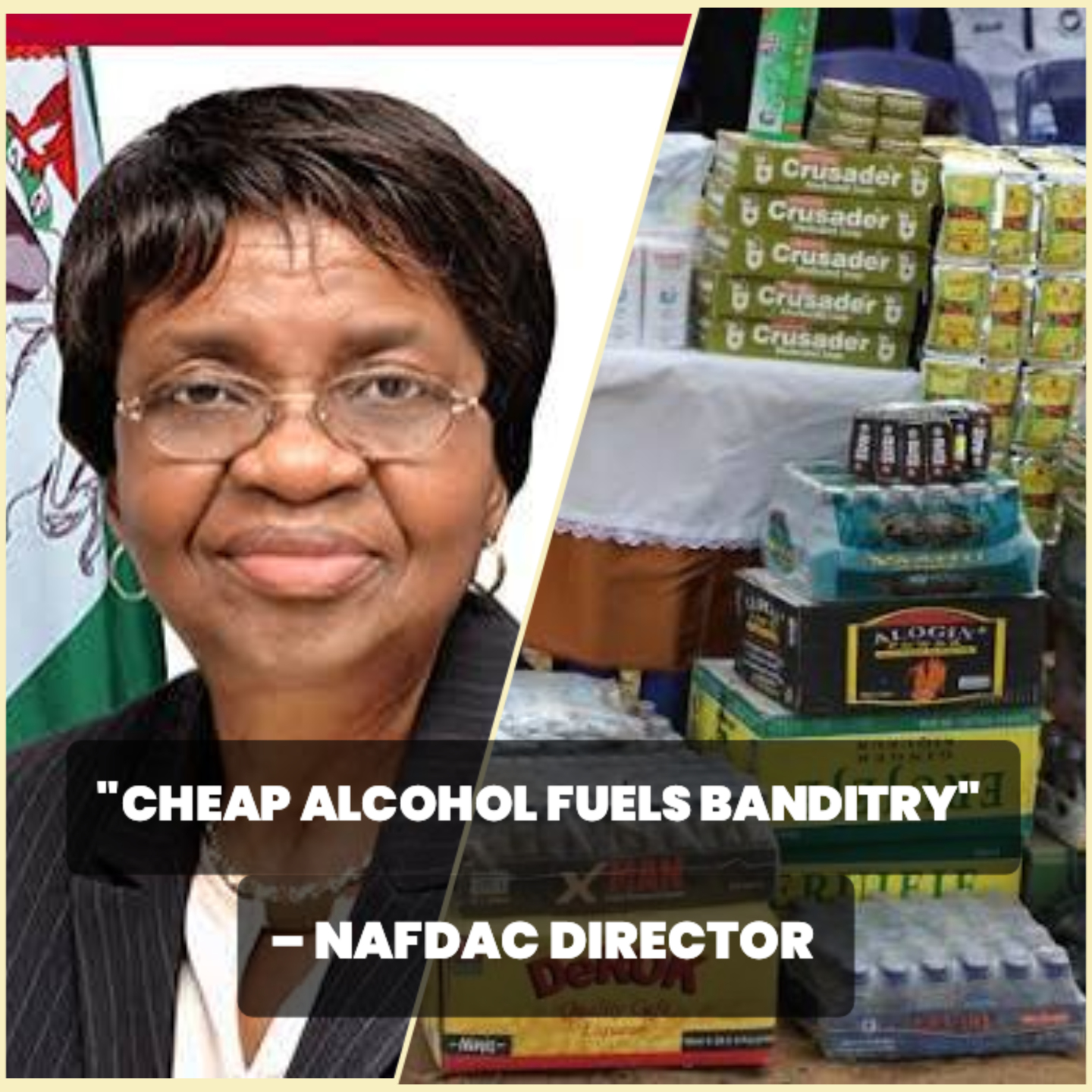
Nigeria’s top food and drug regulator has linked the widespread availability of pocket-sized alcohol directly to violent crime and a mounting public health crisis.
Opinion
2027: Tinubu May Get Less Than 10% of Northern Votes — Ard
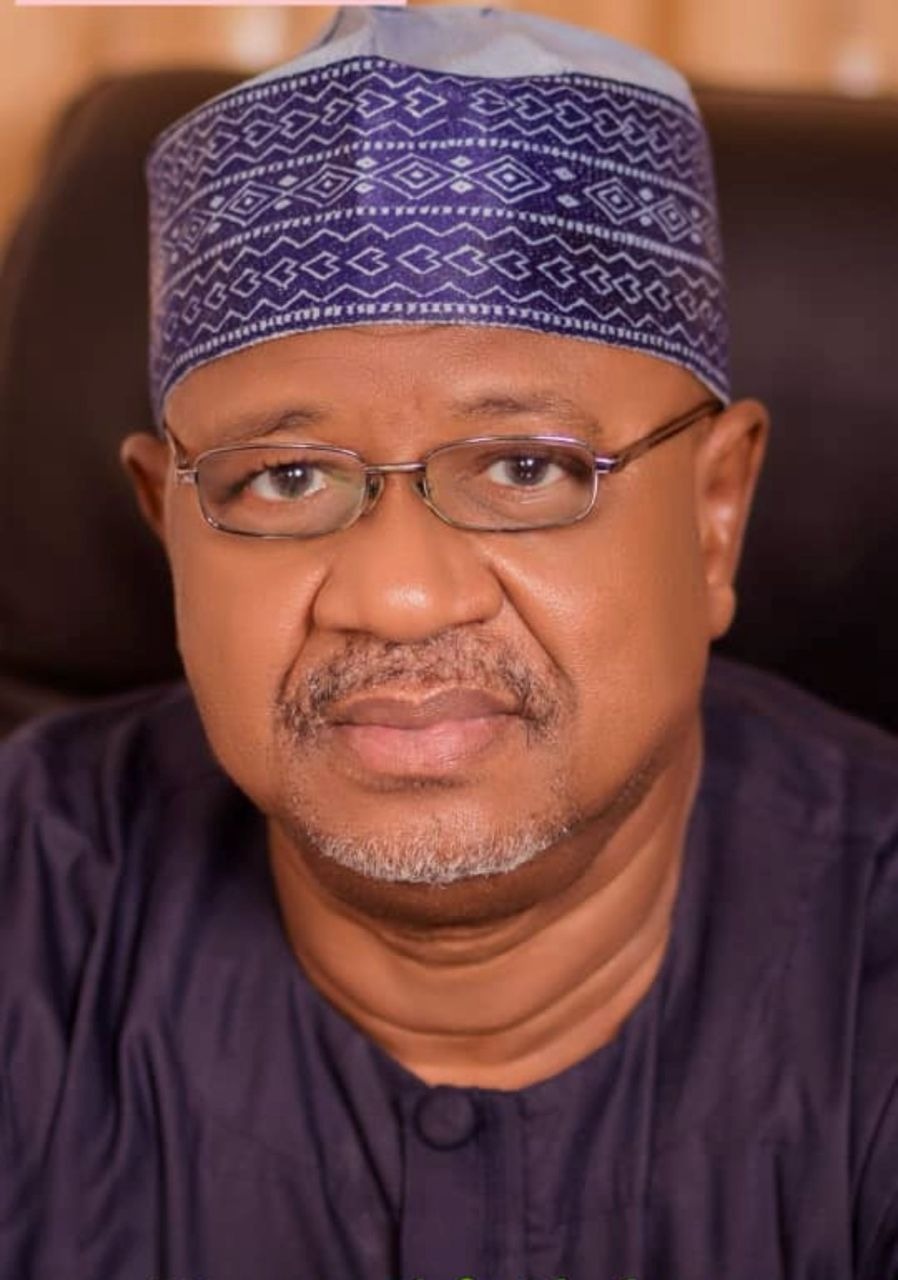
2027: Tinubu May Get Less Than 10% of Northern Votes — Ard
President Bola Tinubu could suffer a dramatic collapse in his Northern support in the 2027 presidential election, securing less than 10 per cent of votes from the region if the poll is free and credible, Convener of the League of Northern Democrats and key promoter of the All-Democratic Alliance (ADA), Dr Umar Ardo, has predicted.
Ardo made the prediction on Monday in an interview on Frontline, a current affairs programme on Eagle 102.5 FM, Ilese-Ijebu, Ogun State, arguing that the outcome would largely reflect how Northern voters assess the Tinubu administration’s performance.
He identified insecurity, worsening poverty, economic hardship and the rising cost of living as major issues likely to influence voting decisions in the region.
According to him, the persistent insecurity affecting communities, farmers, traders and businesses remains one of the administration’s biggest challenges.
READ ALSO:
- JUST IN: Tension in Benue as Suspected Thugs Attack Peter Obi’s Convoy, Block Access
- FIFA, CAF suspend NFF election as Nigeria football reforms face fresh review
- NNPC Disowns Cannabis-Laden Tanker, Threatens Legal Action Over Brand Misuse
“You can solve the issue of insecurity and insurgency in one year,” he said, insisting that the Federal Government could significantly reduce the crisis with the right strategy and sufficient political will.
Ardo also faulted the administration’s economic reforms, particularly the removal of fuel subsidy, questioning whether ordinary Nigerians had experienced corresponding benefits.
“Subsidy removal, is it a benefit?” he asked, arguing that the reforms had eroded purchasing power and made basic necessities increasingly unaffordable.
He said the impact had been particularly severe in Northern Nigeria, where a large proportion of the population is economically vulnerable.
“The economic reform has pushed from the state of poverty to destitution,” he said.
The political commentator also raised concerns about political representation under the Tinubu administration, arguing that the composition of government could shape public perception of its commitment to different regions.
Ardo said Northern voters should not be assumed to be permanently aligned with the voting pattern recorded in 2023, stressing that prevailing economic and security conditions would determine their choices in 2027.
“If a free, fair and credible election is conducted in Nigeria, Tinubu can’t get 10 percent of the Northern part,” he declared.
His prediction puts the spotlight on the opposition’s capacity to exploit any erosion of Tinubu’s Northern support, with former Vice President Atiku Abubakar and other opposition figures potentially positioned to benefit from any major electoral realignment.
2027: Tinubu May Get Less Than 10% of Northern Votes — Ard
-

 metro2 days ago
Police Arrest Woman Over Fake OPay Shutdown Notice
-

 metro23 hours ago
Woman disguises as Muslim woman in Niqab to steal in Ado-Ekiti market, video sparks outrage
-

 Politics2 days ago
Amaechi will be caged politically, Wike shouldn’t bother about Ikwerre votes — Wihioka
-
 metro2 days ago
Residents Cry Out Over Poorly Constructed Entrance of Ademola Abiola Street, Demand Urgent Intervention
-
 Politics2 days ago
Remi Tinubu Appeals To South-East Voters, Says She Wants To ‘Enjoy Nigeria’ In Old Age
-
 Politics2 days ago
Breaking the Cycle of Collective Guilt: When a Ruling Party Voice Backs Peter Obi
-

 News1 day ago
AI on the Roads: LASTMA Turns to China to Fix Lagos Traffic
-
 Business9 hours ago
Dangote: ₦525 Refinery Shares Could Rise to ₦10,000