
Business
Cybersecurity in the era of AI
Cybersecurity in the era of AI
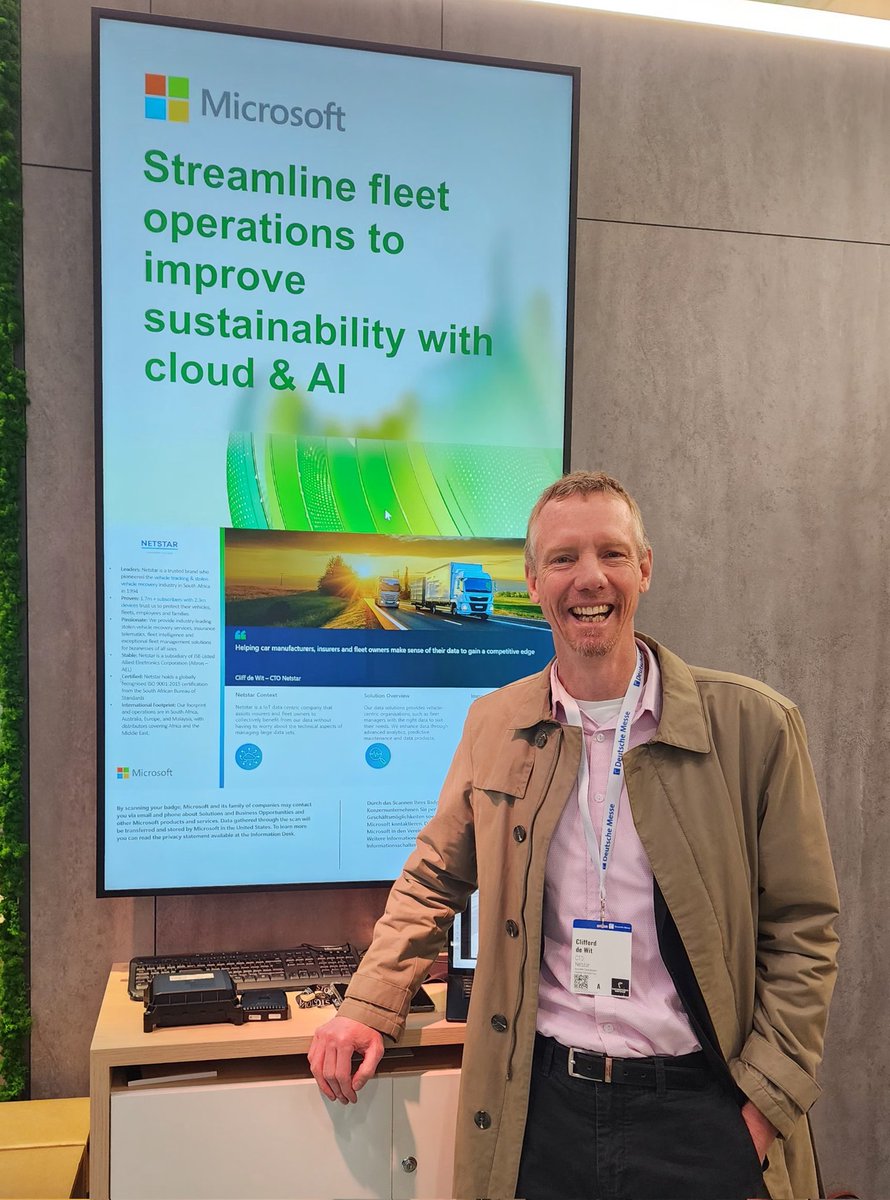
Colin Baumgart, CTO and Commercial Solutions Area Director at Microsoft South Africa
The cybersecurity landscape is undergoing a profound transformation, driven by the relentless evolution of technology and the increasing sophistication of cyber threats. In this dynamic environment, artificial intelligence (AI) has emerged as a pivotal ally in the fight against cybercrime.
AI’s ability to analyse vast amounts of data at lightning speeds enables the identification of patterns and anomalies that may indicate a security breach, often before it occurs. This proactive stance is crucial in a time when reactive measures are no longer sufficient.
But in an era where digital threats are escalating in complexity and scale, we cannot just think about defending against cyber threats, we need to be advancing the way we design, build, test and operate our technology to meet the highest standards of security. It is why, we have created the Secure Future Initiative (SFI), a multi-year undertaking to safeguard our digital ecosystem.
It is an approach that is anchored in three fundamental principles: secure by design, secure by default, and secure operations, ensuring that security is not an afterthought but a foundational element of everything we create.
This commitment to cybersecurity extends beyond our own products. Through collaborations and partnerships, we are contributing to a broader security ecosystem, sharing threat intelligence and best practices. This collaborative effort is vital because cyber threats do not recognise boundaries and can ripple through networks, affecting countless users.
Recent cyber threats have shown a marked increase in both sophistication and frequency, posing significant challenges to cybersecurity defences worldwide.
A notable trend is the surge in mobile, Internet of Things (IoT), and operational technology (OT) cyberattacks, which underscores the expanding threat landscape beyond traditional computing environments.
Our 2024 Digital Defense Report highlights an alarming rise in attacks, with incidents targeting customers globally, doubling to 600 million per day, revealing the growing collaboration between nation-state actors and cybercriminals.
Over 78 trillion security signals per day from the cloud, endpoints, software tools and our partner ecosystem inform our insights, and help us to understand and protect against digital threats and criminal cyberactivity.
Data breaches have also been rampant, with TechCrunch reporting over 1 billion stolen records in 2024 alone. These breaches have not only compromised personal information but have also emboldened criminals who profit from cyberattacks. As the threats evolve, so must the strategies to combat them, requiring a concerted effort from individuals, organisations, and governments alike.
According to Interpol’s African Cyberthreat Assessment Report 2024, the rapid growth of cybercrime is further illustrated by the estimation that in 2023 there was a 23% year-on-year increase in the average number of weekly cyberattacks per organisation in Africa – this average was the highest in the world.
In this era of AI, we are all cyber-defenders. Despite this, 52% of employees still say their job has nothing to do with cybersecurity, according to The Phishing Benchmark Global Report.
There is a widespread recognition of the need to build a security culture to increase the understanding of security’s value to the business, as well as drive security awareness.
People, process and technology need to be in harmony – because businesses can have the most sophisticated technology and comprehensive processes in place to monitor, detect and respond to breaches, but if a person gives their password away or clicks on a phishing email, it becomes exponentially more difficult to protect the organisation.
Ultimately, it boils down to the fact that the individual user level is a person – and unless they have been trained to be security aware, they are capable of human error and are likely to remain the weakest link in the security chain.
Many organisations are investing in strengthening their employees’ cybersecurity knowledge and offer theoretical and practical training by carrying out spoof attacks, such as sending out phishing emails, evaluating who clicks on the links and then providing more in-depth training to plug identified gaps.
Employees are the first and last line of defence and it is why educating everyone on staying cybersafe is so important. It’s time to act now.
We recognise that the path to a secure future is paved with challenges and opportunities alike.
The same technology that empowers us can also empower adversaries. Cybercriminals are increasingly utilising AI to launch more sophisticated attacks, bypass traditional defences, and automate their malicious activities. This escalation necessitates a continuous evolution of our security strategies to stay ahead of these AI-generated threats.
As the cybersecurity landscape continues to evolve, the partnership between AI and human expertise becomes increasingly important. AI can handle the heavy lifting of data analysis, but human judgment is irreplaceable when it comes to nuanced decision-making. Organisations must foster a culture of continuous learning and adaptability, empowering their workforce to leverage AI effectively.
We must remain vigilant, adapting our defences to counteract the evolving threats in the cybersecurity landscape. And as we navigate this shifting terrain, the synergy between AI and human intelligence will be the cornerstone of a resilient cybersecurity posture.
By embracing the transformative potential of AI while remaining cognisant of its risks, we are setting a new standard for digital defence—one that is robust, intelligent, and ever-evolving.
Our mission is clear: to secure our digital world, so that everyone, everywhere, can achieve more.










Railway
FG pushes high-speed train, expands rail links to seaports
FG pushes high-speed train, expands rail links to seaports
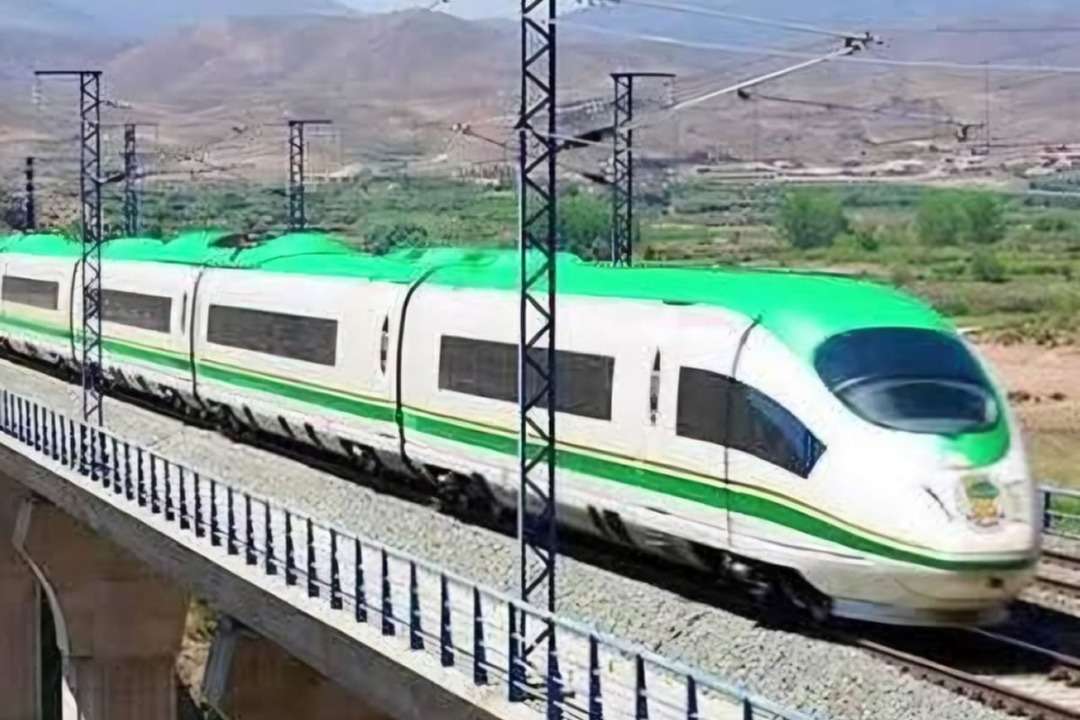
The Federal Government has intensified efforts to modernise Nigeria’s rail system, setting up a high-speed rail committee and approving the expansion of rail connections to key seaports to boost cargo movement and ease logistics bottlenecks.
Managing Director of the Nigerian Railway Corporation (NRC), Kayode Opeifa, disclosed this at the quarterly stakeholders’ engagement of the Nigerian Ports Consultative Council.
In a statement by the NRC’s Chief Public Relations Officer, Callistus Unyimadu, Opeifa said the Office of the Secretary to the Government of the Federation had constituted a committee on high-speed rail development to drive initiative.
He disclosed that the Federal Government was seeking private sector participation in this regard.
The NRC boss also emphasised that seamless rail-port integration remained critical to unlocking the full benefits of ongoing maritime reforms.
Opeifa warned that investments in port infrastructure, including deep seaports, would continue to yield limited returns without efficient rail connectivity to move cargo inland.
He noted that while collaboration between the corporation and port authorities had improved—particularly under the administration of Bola Ahmed Tinubu—significant gaps remain in cargo evacuation from ports, especially in Lagos and along the eastern corridor.
He identified persistent bottlenecks in rail freight operations and called for targeted interventions to improve efficiency, stressing that a shift towards rail-based cargo movement is essential for a more reliable and cost-effective logistics system.
Highlighting ongoing and planned projects, Opeifa said the Federal Government has approved the extension of the Lagos–Ibadan standard gauge rail line to Apapa and Tin Can Island ports. He added that the Warri–Itakpe line would be linked to Warri Port, while the eastern narrow gauge is set to connect the Port Harcourt Port at Onne.
He further disclosed plans to link the Lagos–Kano western line to Baro Port, as part of a broader strategy to integrate all major ports into the national rail network.
On project updates, the NRC boss said the Kaduna–Kano rail corridor is nearing completion, while efforts are underway to connect existing rail lines directly to ports to reduce congestion and improve cargo evacuation.
He also revealed plans for a new rail line to the Lekki Deep Sea Port, expected to pass through Ijebu-Ode and Sagamu to Kajola, where it will link with the Lagos–Ibadan line. The project, he said, is likely to commence this year.
Describing rail connectivity to ports as a key driver of economic growth, Opeifa urged stakeholders, including truck operators, to support the initiative, noting that road transport would continue to play a complementary role in last-mile delivery.
He also called for the expansion of freight yards across both narrow and standard gauge lines to enhance cargo handling capacity and overall efficiency.
The stakeholders’ meeting brought together key players in the maritime and rail sectors to align strategies and strengthen collaboration towards building a more integrated and efficient national transport system.
Business
NNPC Remits N1.804 Trillion to Federation Account in February

NNPC Remits N1.804 Trillion to Federation Account in February
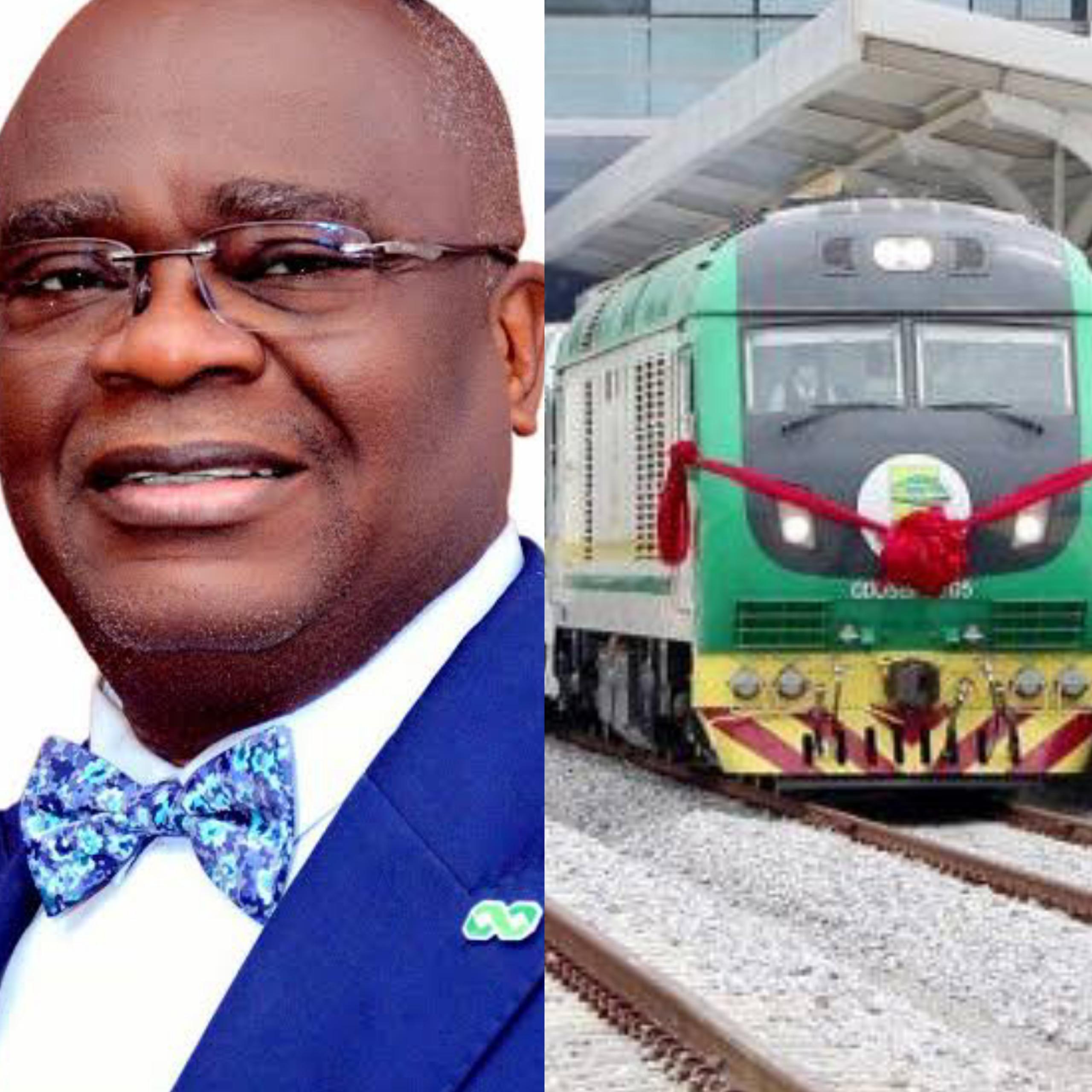
The Nigerian National Petroleum Company Limited (NNPC) has remitted N1.804 trillion to the Federation Account in February 2026, marking a significant jump from the N726 billion recorded in January, according to its latest Monthly Financial and Operational Report Summary.
The sharp increase highlights improved oil and gas revenue performance in Nigeria, stronger production output, and ongoing fiscal reforms aimed at boosting transparency and accountability in the petroleum sector.
NNPC Ltd reported that its total revenue increased to N2.68 trillion in February, up from N2.57 trillion in January, driven by higher crude oil sales, improved gas earnings, and operational efficiency gains across its assets. The company also recorded a profit after tax of N136 billion, reflecting improved financial performance despite fluctuations in global crude oil markets and domestic operational challenges.
According to the report, Nigeria’s crude oil and condensate production averaged 1.51 million barrels per day (bpd) in February 2026. NNPC attributed the output stability to improved asset reliability, faster resolution of evacuation constraints, and enhanced coordination with upstream operators across key oil fields.
READ ALSO:
- JUST IN: FG Publishes List of 48 Individuals, Groups Linked to Terrorism Financing in Nigeria
- 2027: Oyo APC Governorship Aspirant Saheed Oladele Resigns From Party
- 42-Year-Old Married Woman Declared Missing Found in Hotel with Man
The rise in remittances follows major fiscal policy changes introduced by President Bola Ahmed Tinubu in February 2026, including an Executive Order mandating full remittance of oil and gas revenues to the Federation Account. The directive also suspended the retention of management and frontier exploration fees previously deducted by NNPC Ltd and established an inter-agency committee led by the Minister of Finance to enforce compliance.
Officials say the reforms are designed to strengthen public revenue management in Nigeria, reduce leakages, and improve transparency in the oil sector.
The company said improved output was supported by infrastructure upgrades, better asset management, and stronger collaboration with industry stakeholders. It also highlighted progress on the Ajaokuta–Kaduna–Kano (AKK) gas pipeline project, noting that construction works are advancing toward early gas delivery to Abuja, a key milestone for Nigeria’s domestic gas expansion strategy.
The performance aligns with broader recovery trends in Nigeria’s oil industry, supported by efforts to curb crude theft, improve pipeline security, and enhance upstream efficiency. Data from the Nigerian Upstream Petroleum Regulatory Commission (Nigerian Upstream Petroleum Regulatory Commission) also indicates fluctuations but overall resilience in production levels, as the sector continues stabilisation reforms.
Analysts say sustained growth in NNPC remittances will depend on consistent crude production, stable global oil prices, and continued enforcement of fiscal transparency measures. As of the time of filing this report, NNPC Ltd has not provided additional breakdowns beyond its monthly financial summary.
NNPC Remits N1.804 Trillion to Federation Account in February
Auto
CFAO Mobility Open Day to offer special deals on new vehicles, parts, diagnostics

CFAO Mobility Open Day to offer special deals on new vehicles, parts, diagnostics

CFAO Mobility has announced plans to host the 2026 edition of its flagship CFAO Mobility Open Day, aimed at showcasing a wide range of innovative mobility solutions.
In a statement, the company said the event would take place on Thursday, April 30, 2026, at Harbour Point, Victoria Island, Lagos, from 9am to 6pm.
The Open Day is expected to bring together leading global automotive and equipment brands in a dynamic exhibition tailored to meet diverse mobility needs.
Participating brands are Toyota, BYD, Mitsubishi, Suzuki, Fuso, JCB, Howo, Sino Equipment, King Long, TechKing Tyres, Yamaha, Winpart and Auto Fast.
According to CFAO Mobility, attendees will experience an extensive display of products and services, ranging from brand-new vehicles and motorcycles to outboard engines, fleet management solutions, spare parts and aftermarket services.
The event, which is free and open to the public, will also feature test drives, professional vehicle diagnostics and exclusive spare-parts deals, offering participants a hands-on and engaging experience.
The company urged car enthusiasts, business owners and prospective buyers to take advantage of the Open Day to explore mobility solutions tailored to their personal and business needs.
With over 120 years of presence in Nigeria, CFAO Mobility remains a key player in the mobility and healthcare sectors.
It added that the Open Day reflects its continued commitment to delivering innovative, customer-focused mobility solutions.

-
 metro1 day ago
JUST IN: FG Publishes List of 48 Individuals, Groups Linked to Terrorism Financing in Nigeria
-

 metro1 day ago
42-Year-Old Married Woman Declared Missing Found in Hotel with Man
-
 Politics2 days ago
Did Faleke Just Reveal Lagos’ Next Governor? Party Moves Begin
-

 Education2 days ago
Germany Opens Fully Funded Scholarships for Nigerians, Africans
-

 Politics1 day ago
2027: Oyo APC Governorship Aspirant Saheed Oladele Resigns From Party
-
 metro1 day ago
ADC Threatens Civil Disobedience To Force INEC Chairman To Resign
-

 metro2 hours ago
BREAKING: Troops Arrest 15-Year-Old Linked to Killing of Gen Braimah in Borno
-

 Business3 days ago
Nigeria May Face ₦2,000 Petrol Price Without Intervention, TUC Warns FG