
News
Insecurity: Northern groups plan mass protests in 19 states Thursday










News
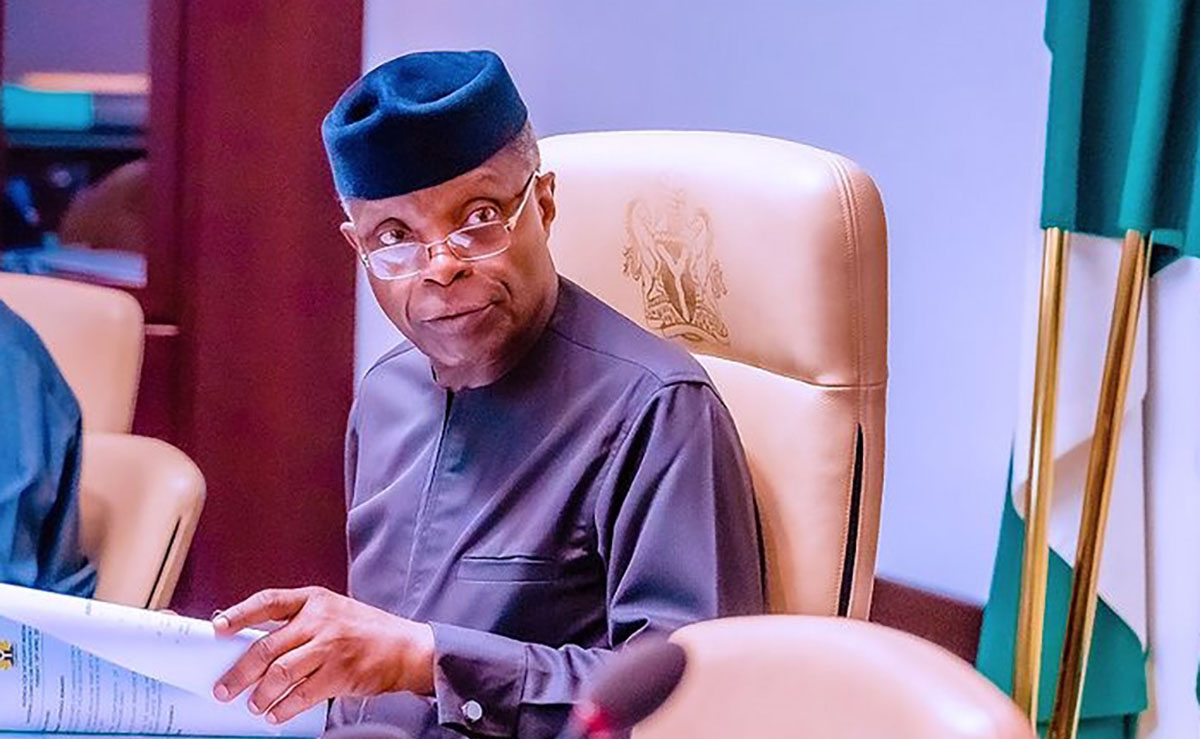
Yemi Osinbajo Appointed Senior Strategic Adviser to Africa CDC
Yemi Osinbajo Appointed Senior Strategic Adviser to Africa CDC
Former Nigerian Vice-President Yemi Osinbajo has been appointed as Senior Strategic Adviser to the Director-General of the Africa Centres for Disease Control and Prevention (Africa CDC), as the agency pushes forward the continent’s Africa Health Security and Sovereignty (AHSS) agenda.
The appointment, announced on Monday, comes at a critical time as Africa CDC seeks to enhance health systems, boost domestic financing, expand local production of medical supplies, and strengthen Africa’s influence in global health governance. In this role, Osinbajo will provide strategic guidance on pandemic preparedness, sustainable healthcare financing, policy direction, and continental collaboration.
Director-General Jean Kaseya praised Osinbajo’s wealth of experience, highlighting his expertise at the intersection of governance, finance, law, and diplomacy. “At a time when Africa must act with greater authority on the future of health, his leadership will be invaluable,” Kaseya said. He added that Osinbajo’s appointment reflects Africa CDC’s commitment to mobilising top African leadership in service of the continent’s health security and development.
READ ALSO:
- Veteran Nollywood Actor Davis Ofor ‘Clarus’ of New Masquerade Dies at 85
- Harry Maguire Signs New Manchester United Deal Until 2027
- Women in Plateau Block Burial of 28 Palm Sunday Attack Victims Over Arrests
Osinbajo served as Nigeria’s Vice-President from 2015 to 2023, during which he chaired the Economic Sustainability Committee, contributed to reforms enhancing the ease of doing business, and played a key role in implementing Nigeria’s social investment programmes. Earlier, he was Attorney-General and Commissioner for Justice in Lagos State from 1999 to 2007. His legal and governance background positions him to offer critical insights on health policy, regulatory frameworks, and strategic partnerships.
The AHSS agenda, which Osinbajo will help drive, seeks to strengthen Africa’s self-reliance in health, improve disease surveillance, and foster regional collaboration to respond more effectively to pandemics and other public health emergencies. Experts say his advisory role will be crucial in promoting local production of vaccines and medical equipment, ensuring Africa can meet its own health needs while influencing global health decisions.
Africa CDC, operating under the African Union, aims to support member states in building resilient health systems capable of confronting future outbreaks and public health crises. Osinbajo’s appointment is expected to further amplify Africa’s voice in global health while ensuring sustainable health development across the continent.
Yemi Osinbajo Appointed Senior Strategic Adviser to Africa CDC
News
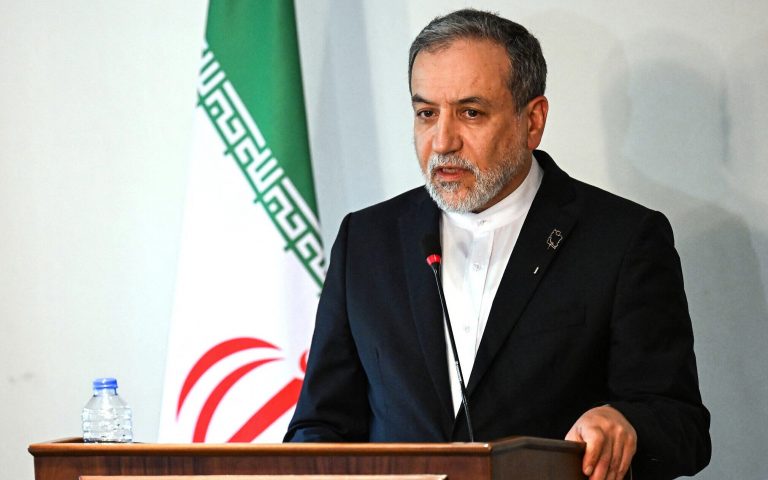
Iran Lists Tough Conditions for Peace Talks with US
Iran Lists Tough Conditions for Peace Talks with US
By Agency Report
Iran has outlined a set of strict preconditions for engaging in negotiations with the United States aimed at achieving a lasting peace, signalling a hardening of its stance amid ongoing hostilities in the Middle East.
According to a senior Iranian official who spoke to Reuters, Tehran is insisting on an immediate halt to U.S. military strikes, alongside firm guarantees that such attacks will not be repeated, as a prerequisite for any talks.
The official also disclosed that Iran is demanding compensation for damages suffered during the conflict, underscoring the country’s position that any future negotiations must address the consequences of the ongoing war.
In a further indication of its firm posture, Iran has rejected proposals for a temporary ceasefire, maintaining that only a comprehensive and permanent peace agreement would be acceptable.
Tehran is also pushing for new arrangements regarding the strategic Strait of Hormuz, including the right to impose transit fees on vessels passing through the vital global oil shipping route. The proposed fees, according to the official, would vary depending on the type of vessel, its cargo, and prevailing conditions.
The development comes amid intensified diplomatic efforts led by regional mediators, including Pakistan, to broker a ceasefire between the two sides. A U.S.-backed proposal for a 45-day truce has reportedly been put forward as a stepping stone toward broader negotiations, though Tehran has dismissed the idea as insufficient.
Tensions between the two countries remain high, with both sides holding firm to their positions. Analysts say Iran’s demands reflect a broader strategy to secure long-term guarantees and reshape the terms of engagement in the region, rather than accept short-term de-escalation measures.
With neither side showing signs of compromise, prospects for immediate negotiations appear uncertain, raising concerns about further escalation and its implications for global security and energy markets.
Iran Lists Tough Conditions for Peace Talks with US
News
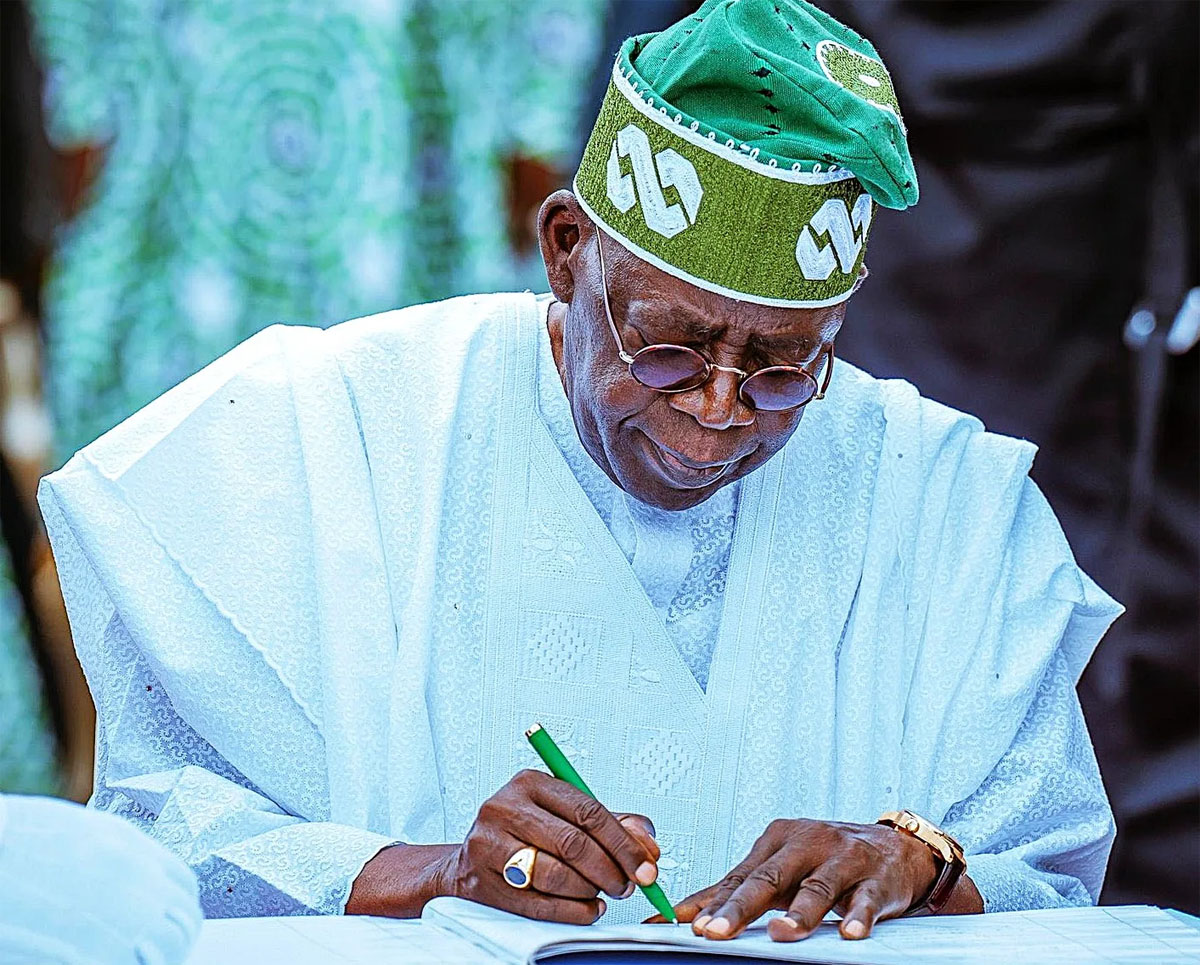
Tinubu Unveils ₦3.3tn Electricity Bailout to Revive Nigeria’s Power Sector
Tinubu Unveils ₦3.3tn Electricity Bailout to Revive Nigeria’s Power Sector
President Bola Ahmed Tinubu has approved a sweeping ₦3.3 trillion power sector bailout aimed at clearing long-standing debts and stabilising Nigeria’s struggling electricity industry.
The intervention, implemented under the Presidential Power Sector Financial Reforms Programme, is designed to resolve liabilities accumulated between February 2015 and March 2025, following a comprehensive verification process.
Presidential spokesman Bayo Onanuga disclosed that the ₦3.3 trillion electricity debt settlement represents a full and final agreement to restore financial stability across the sector. He explained that the debts, largely driven by unpaid invoices, tariff shortfalls, and subsidy obligations, had significantly weakened liquidity in the power value chain.
Implementation of the power sector debt repayment plan has already commenced, with 15 generation companies signing settlement agreements worth about ₦2.3 trillion. The Federal Government has raised ₦501 billion so far to fund the initiative, out of which ₦223 billion has already been disbursed, while additional payments are ongoing.
READ ALSO:
- Brymo Sparks Debate After Saying Men Who Apologise to Women Deserve Suffering
- Boko Haram/ISWAP Attack Borno Police Station, Kill Four Officers, Hunter
- NDLEA Arrests Lagos Pastor, Wife With 11kg Skunk Cannabis
The Nigeria electricity sector bailout is expected to inject much-needed cash into the industry, ensuring that gas suppliers receive payments, power plants can sustain operations, and electricity generation becomes more stable. With improved liquidity, officials say the country could begin to see gradual improvements in power supply, reduced grid disruptions, and better service delivery.
Special Adviser on Energy to the President, Olu Arowolo-Verheijen, said the programme is not just about clearing debts but rebuilding trust across the industry. She noted that restoring confidence is critical to attracting investment, maintaining consistent gas supply, and ensuring that power plants operate efficiently.
She further explained that the initiative forms part of broader power sector reforms in Nigeria, including nationwide metering improvements and the introduction of service-based tariffs that align electricity costs with the quality of supply. According to her, the government is also prioritising electricity supply to businesses, industries, and small enterprises, recognising that reliable power is essential for job creation and economic growth.
The Tinubu administration believes the electricity sector stabilisation plan will reduce reliance on generators, lower the cost of doing business, and improve productivity across key sectors of the economy. Analysts say resolving the sector’s liquidity crisis could unlock new investments and strengthen Nigeria’s overall economic performance.
President Tinubu also commended stakeholders for their cooperation in addressing long-standing challenges in the industry and confirmed that the next phase of the reform programme, Series II, will commence within the current quarter. The phase is expected to deepen structural reforms and ensure long-term sustainability of the electricity market.
Tinubu Unveils ₦3.3tn Electricity Bailout to Revive Nigeria’s Power Sector

-
 metro2 days ago
FG Deports US Missionary Alex Barbir Over Alleged Role in Nigeria Insecurity
-

 Entertainment2 days ago
Veteran Nollywood Actor Davis Ofor ‘Clarus’ of New Masquerade Dies at 85
-

 metro1 day ago
2026 NYSC Batch A Stream II: Registration, Swearing-In Dates Announced
-
 Africa11 hours ago
ECOWAS Recruitment 2026: Over 30 Job Vacancies Open for Nigerians (How to Apply)
-
 metro2 days ago
Lagos Announces Partial Road Closures for Project Commissioning
-

 Entertainment1 day ago
Saheed Osupa Defends Juju Use Amid Backlash From Islamic Clerics
-

 Politics16 hours ago
Court Stops ADC Congress, Orders Status Quo in Leadership Row
-
 News2 days ago
Iran Lists Tough Conditions for Peace Talks with US
You must be logged in to post a comment Login