

News
US Suspends Visa Processing for Nigeria, Russia, 73 Others

US Suspends Visa Processing for Nigeria, Russia, 73 Others
The United States government has ordered its embassies and consulates to pause visa processing for Nigeria, Russia and at least 73 other countries, as Washington tightens immigration screening amid concerns over potential welfare dependence by foreign nationals.
The directive, issued by the US Department of State, instructs consular officers to halt visa processing for applicants from the affected countries from January 21, pending a comprehensive reassessment of existing visa screening and vetting procedures. The order was contained in an internal memo first reported by Fox News.
Under the new instruction, visa officers are authorised to refuse applications using existing US immigration laws while the review is ongoing. The suspension applies to multiple visa categories, including student, work, tourist and family-based visas, and will remain in force indefinitely until the review is concluded.
Countries affected span Africa, the Middle East, Asia, Europe and Latin America, and include Nigeria, Somalia, Egypt, Iran, Iraq, Yemen, Afghanistan, Russia, Brazil and Thailand, among others.
The policy shift is linked to the “public charge” rule, a long-standing provision of US immigration law that allows authorities to deny visas to applicants deemed likely to rely on public benefits. In November 2025, the State Department issued fresh guidance to embassies worldwide mandating stricter enforcement of the rule.
READ ALSO:
- Morocco Knock Out Nigeria on Penalties to Reach AFCON Final as Senegal Await Hosts
- ADC Condemns $9 Million US Lobbying Amid Nigeria’s Security, Economic Crisis
- Kwankwaso Allows Temporary Alignment with Governor Yusuf
The updated guidance broadened the criteria used to assess applicants, including age, health condition, English proficiency, financial resources, employment prospects, and the likelihood of requiring long-term medical or social assistance. Applicants assessed as posing a high risk of welfare dependence may be denied entry.
Somalia has drawn particular attention following a major welfare fraud investigation in Minnesota, where US prosecutors uncovered large-scale abuse of taxpayer-funded social programmes. Federal authorities said many suspects were Somali nationals or Somali-Americans, prompting heightened scrutiny of visa applications linked to the country.
Although Nigeria was not specifically highlighted in the memo, its inclusion places it among countries facing tighter US immigration controls, a development likely to affect thousands of Nigerians who apply annually for US visas for education, employment, tourism and family reunification.
The US State Department has yet to announce a timeline for completing the review or clarify whether humanitarian or emergency exemptions will be considered.
The decision is expected to increase uncertainty for prospective travellers, students and families, particularly from developing nations, and may further strain diplomatic relations and people-to-people exchanges between the United States and the affected countries.
US Suspends Visa Processing for Nigeria, Russia, 73 Others








Interview
“Not as Corrupt as the World Thinks”: Reno Omokri Defends Nigeria’s Image and Safety
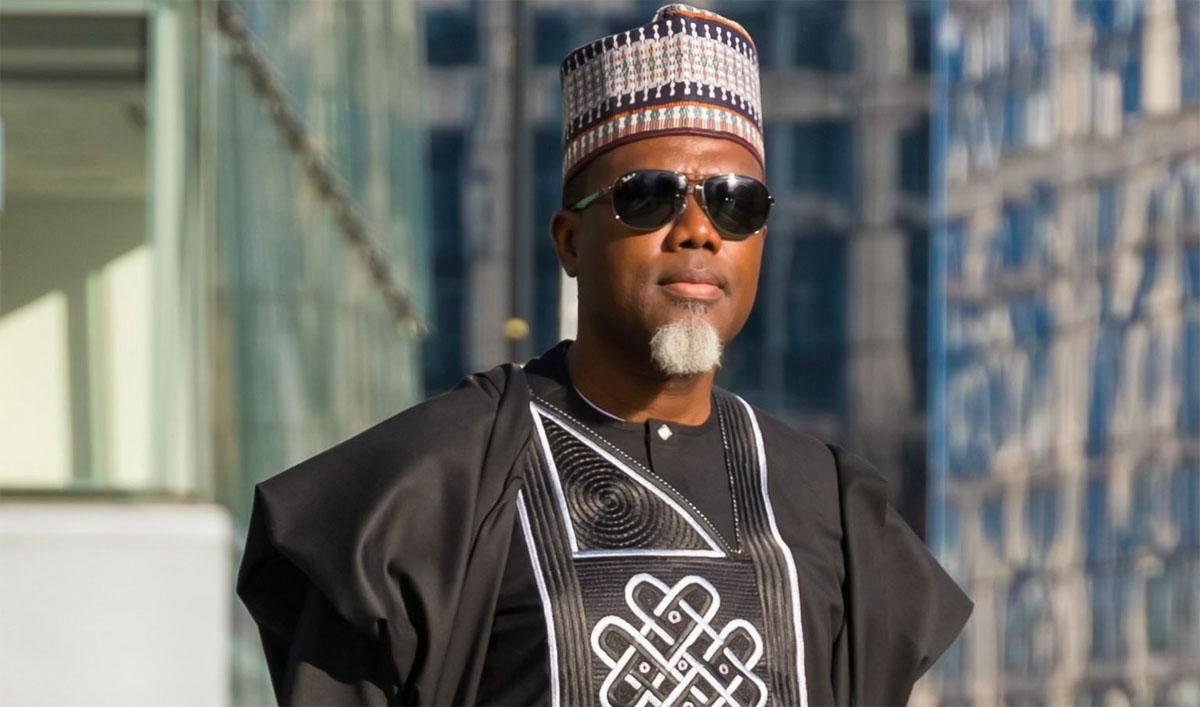
Citing economic growth and safe public festivals, Reno Omokri urges the nation to tell its own story rather than rely on external perception indexes.
Nigeria is not nearly as corrupt or unsafe as foreign reports claim, according to Reno Omokri, Nigeria’s Ambassador-designate to Mexico. In a television interview on Channels Television, Omokri explained that international assessment groups often misunderstand Nigerian customs because they apply global benchmarks that ignore local traditions.
A central issue, Omokri noted, is how different cultures view appreciation. In Nigerian society, offering a gift to say thank you to an official who provides excellent service is a familiar sign of respect, much like tipping in other parts of the world.
However, international observers often label this practice as corruption. Omokri stated that the country needs to share its own experiences directly with the world rather than allowing outside groups to set a negative narrative.
Omokri also defended the country’s safety record by pointing to Lagos, where the economy has expanded steadily and major cultural events draw massive crowds.
He highlighted the annual holiday season in Lagos, which brings more than one million visitors together peacefully each year. For Omokri, these vibrant events show that everyday life in Nigeria is full of energy, community warmth, and safety.
News
‘Jobs Must Not Be Based on Connections’ — Oyintiloye Tells FCC
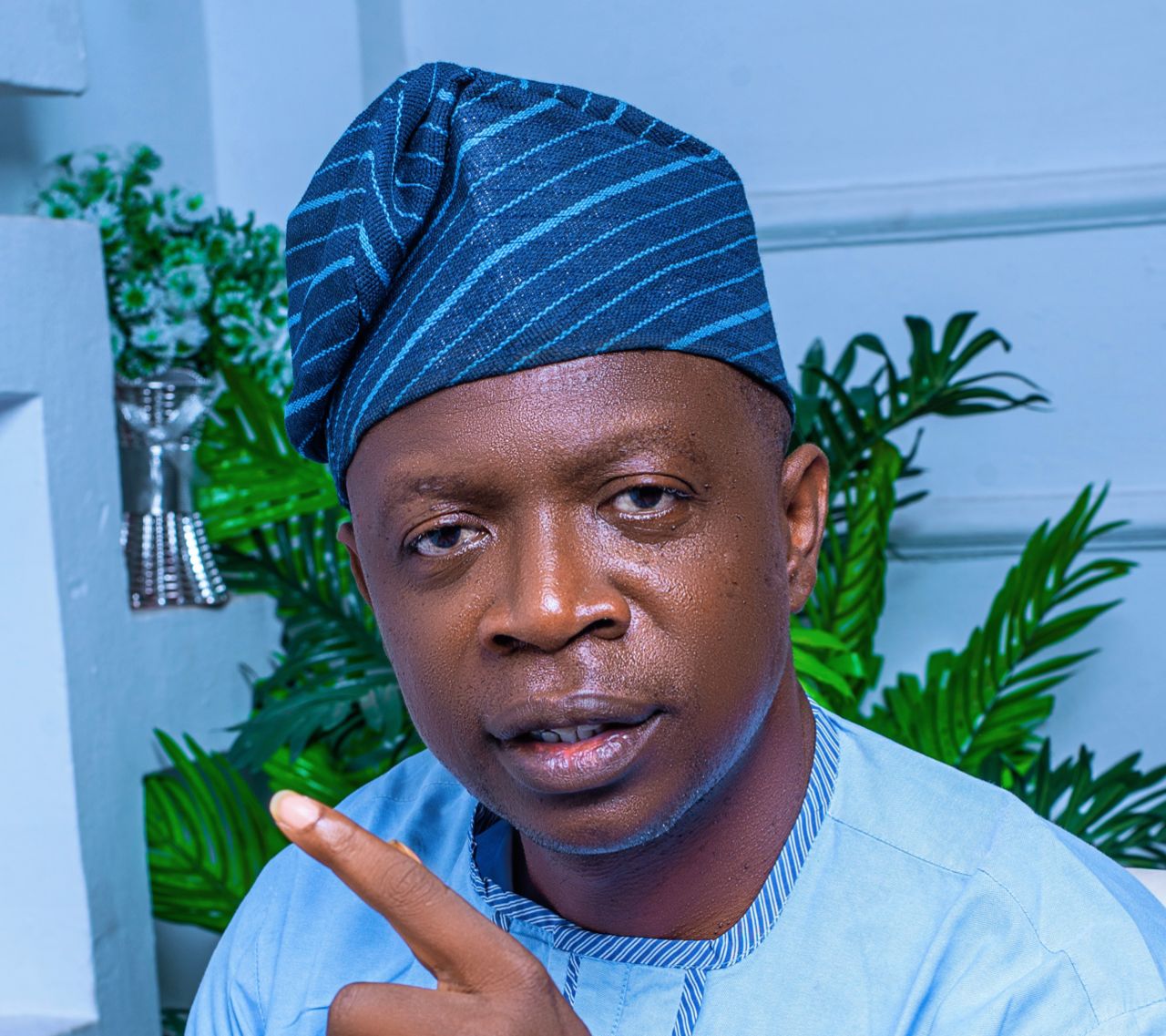
Calls for greater transparency in the distribution of federal employment opportunities have intensified, with APC chieftain Olatunbosun Oyintiloye urging the Federal Character Commission to ensure that recruitment is not influenced by powerful individuals.
Oyintiloye, speaking in Osogbo, Osun State, appealed to the commission’s Executive Chairman, Ayo Hulayat Omidiran, to stand firm against intimidation or pressure while carrying out her responsibilities.
According to him, the credibility of federal recruitment depends on giving qualified Nigerians a fair chance, regardless of their background or connections.
He said the FCC should strengthen its oversight of recruitment processes and prevent situations where applicants are disadvantaged through manipulation or other improper practices.
“The FCC must adopt a renewed commitment to building a commission where merit, fairness and the principles of federal character guide the management of employment opportunities across the public service” Oyintiloye said.
His appeal comes shortly after Omidiran publicly reiterated that federal government jobs were not for sale and that employment opportunities should be available to Nigerians regardless of social status.
Oyintiloye said the position of the FCC was particularly important because of its constitutional responsibility to promote equitable representation in federal institutions.
He also praised the commission for addressing concerns over fairness in recruitment and allegations of corrupt practices, saying greater openness could help rebuild public confidence.
The APC chieftain further urged the commission to ensure that recruitment opportunities are communicated clearly and that qualified applicants from all parts of the country are given an equitable chance.
He expressed confidence that reforms under Omidiran could strengthen the FCC’s credibility, while encouraging job seekers to rely on legitimate recruitment announcements rather than individuals claiming to have connections within the commission.
The FCC itself has warned Nigerians about people offering supposed shortcuts into federal employment, stressing that it does not sell jobs or select candidates for federal appointments.
News
Nwifuru Dismisses Cubana Chief Priest as ‘Attention-Seeker’
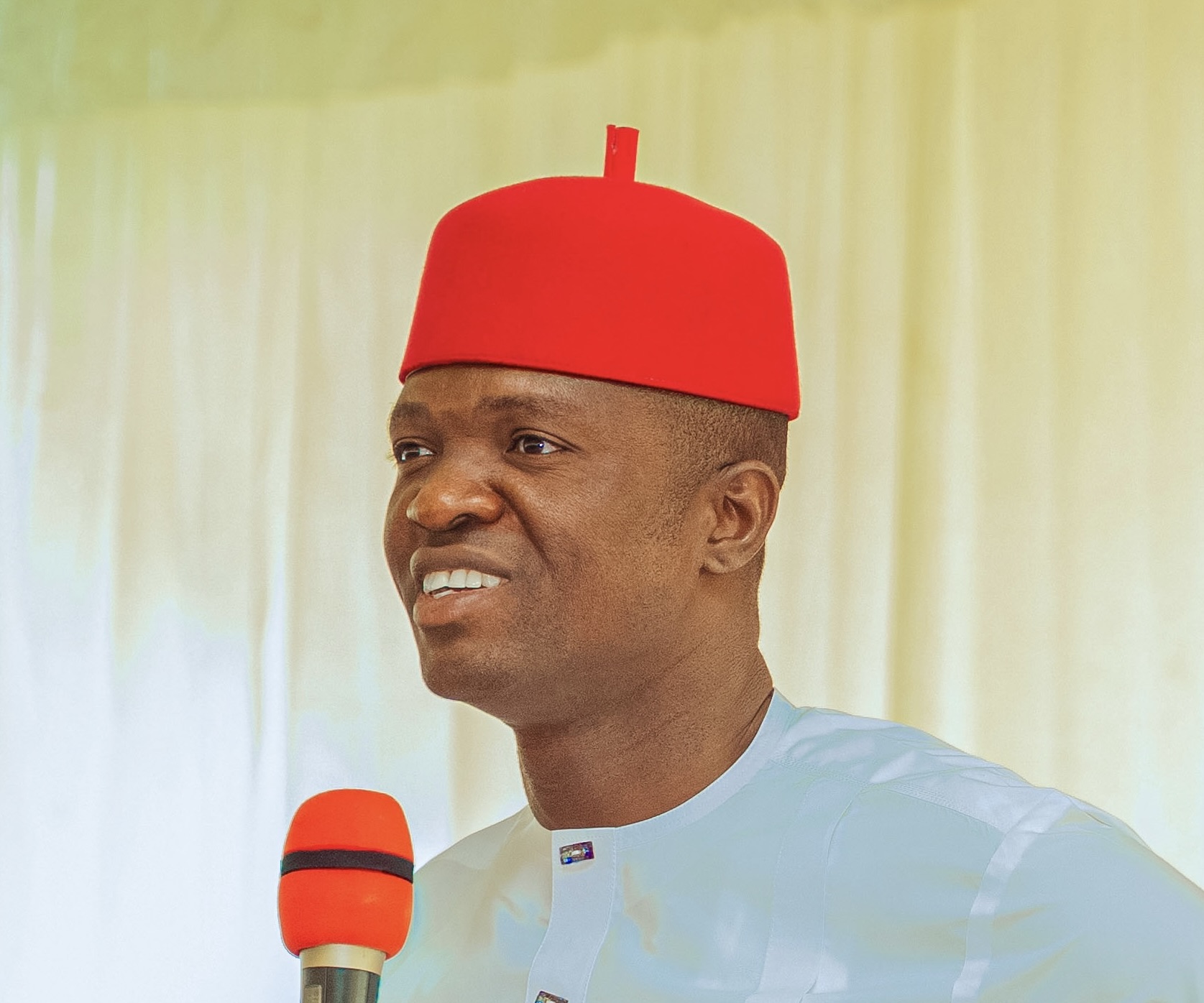
Ebonyi State Governor Francis Nwifuru has hit back at socialite and businessman Paschal Okechukwu, better known as Cubana Chief Priest, after the latter criticised his administration.
The governor dismissed the businessman’s comments while speaking at an event in Abakaliki, saying he had no interest in engaging with him.
“I don’t have time for Cubana Chief Priest. He’s a mere attention-seeker and an individual of no consequence” Nwifuru said.
He added, “However, if I remember him, I feel sorry for him.”
The exchange followed comments by Cubana Chief Priest questioning the governor’s performance in office. He reportedly challenged Nwifuru to explain how an administration could spend about three years in office without having major projects commissioned by the President or other state governors.
The remarks had earlier attracted criticism from Chinedu Ogah, the member representing Ikwo/Ezza South Federal Constituency in the House of Representatives.
Ogah condemned Cubana Chief Priest’s comments, defending the governor’s administration.
Nwifuru’s response now adds another layer to the controversy, although the governor did not provide a detailed response to the specific claims made about projects commissioned under his administration.
The disagreement has consequently shifted attention to the broader question of the Ebonyi government’s record on infrastructure and development projects since Nwifuru assumed office.
-

 metro3 days ago
Ondo Herbal Drink Tragedy: Survivor Vows Never to Drink Again as Death Toll Tops 30
-

 Business2 days ago
Dangote: ₦525 Refinery Shares Could Rise to ₦10,000
-

 metro3 days ago
Sokoto Cleric Stabbed Twice in Neck After Juma’at Prayer, Attacker Killed
-
 News1 day ago
SERAP Threatens Legal Action Over ₦126bn INEC Electoral Funds
-

 metro2 days ago
MURIC fires back at Peter Obi: Forget Sallah ceremony, free Nigerian Muslims
-

 metro2 days ago
Abia Police Arrest Father, Three Others Over Alleged Attempt to Sell 16-Month-Old Daughter
-
 International2 days ago
Trump Tells Supporters to ‘Cheat Like Hell’ Ahead of US Election
-
 Politics2 days ago
Five Islamic Clerics Abducted After Tinubu Re-Election Prayer At Yari’s Zamfara Residence