

Education
JAMB Releases 2026 UTME Registration Guidelines, Highlights Common Profile Code, NIN Issues
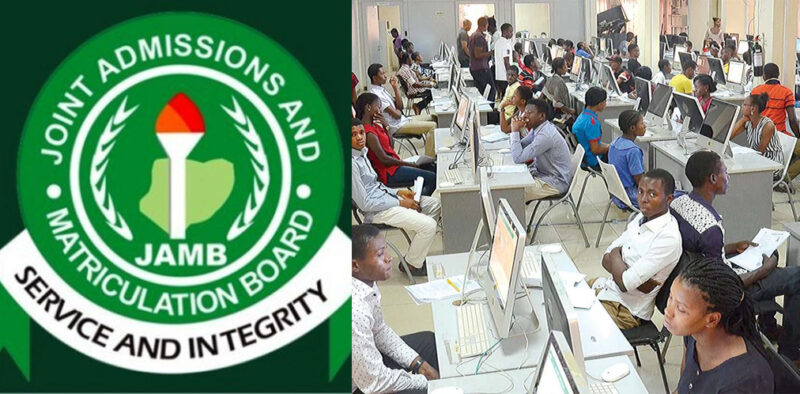
JAMB Releases 2026 UTME Registration Guidelines, Highlights Common Profile Code, NIN Issues
The Joint Admissions and Matriculation Board (JAMB) has published comprehensive guidelines for the 2026 UTME registration, alongside a list of common challenges candidates may encounter during the process. The update, released on Sunday via the Board’s official X handle, is aimed at helping prospective applicants prepare ahead of the registration window.
According to JAMB, candidates must ensure that all personal information — including National Identification Number (NIN), email address, and A-Level results — is accurate before generating a profile code, as the data cannot be edited afterward. To obtain the profile code, candidates are required to send their 11-digit NIN to 55019 or 66019 in the correct format (e.g., NIN 00000011111).
Once generated, the profile code automatically links to biodata retrieved from the National Identity Management Commission (NIMC). Candidates must then proceed to any JAMB office or accredited CBT centre to complete their registration.
The board advised that E-PINs should only be purchased from approved vendors, including banks, online payment platforms, and authorised merchants at registration centres. Before submitting the final form, candidates are expected to double-check the registration template to ensure all details are correct.
READ ALSO:
- Nigeria Withdraws Fighter Jets as Benin Crushes Failed Coup Attempt
- Dozen Soldiers Held as Benin Govt Thwarts Coup Against President Patrice Talon
- Benin govt says coup attempt foiled as soldiers seize state TV, gunfire rocks Cotonou
JAMB warned that inaccurate or mismatched details may result in delays. Candidates with incorrect data are advised to update their records with NIMC ahead of registration and confirm that the corrections reflect on the portal — especially details such as name, date of birth, gender, and state of origin.
The board emphasised that email addresses and GSM numbers serve as unique identifiers and cannot be changed or shared. These must be functional before registration.
For candidates who encounter biometric issues, JAMB instructed them to report directly to the nearest JAMB office, adding that no CBT centre is permitted to forcibly complete registration without successful biometric capture. Candidates are also advised to ensure that dual screens are used during registration and that their passport photograph and biometrics are captured correctly.
JAMB listed some of the common errors noticed during profile code generation, including:
- Error 55019/66019 — caused by incorrect message format
- Number Already Registered — indicating the SIM is tied to another candidate’s profile
- Unable to Verify NIN — candidates should wait and try again
The 2026 JAMB UTME form will be available for sale from Friday, January 31, 2026, to Saturday, March 8, 2026.
JAMB Releases 2026 UTME Registration Guidelines, Highlights Common Profile Code, NIN Issues






Education
FG Releases 2026–2028 Approved Textbooks, Introduces QR Codes for Tracking
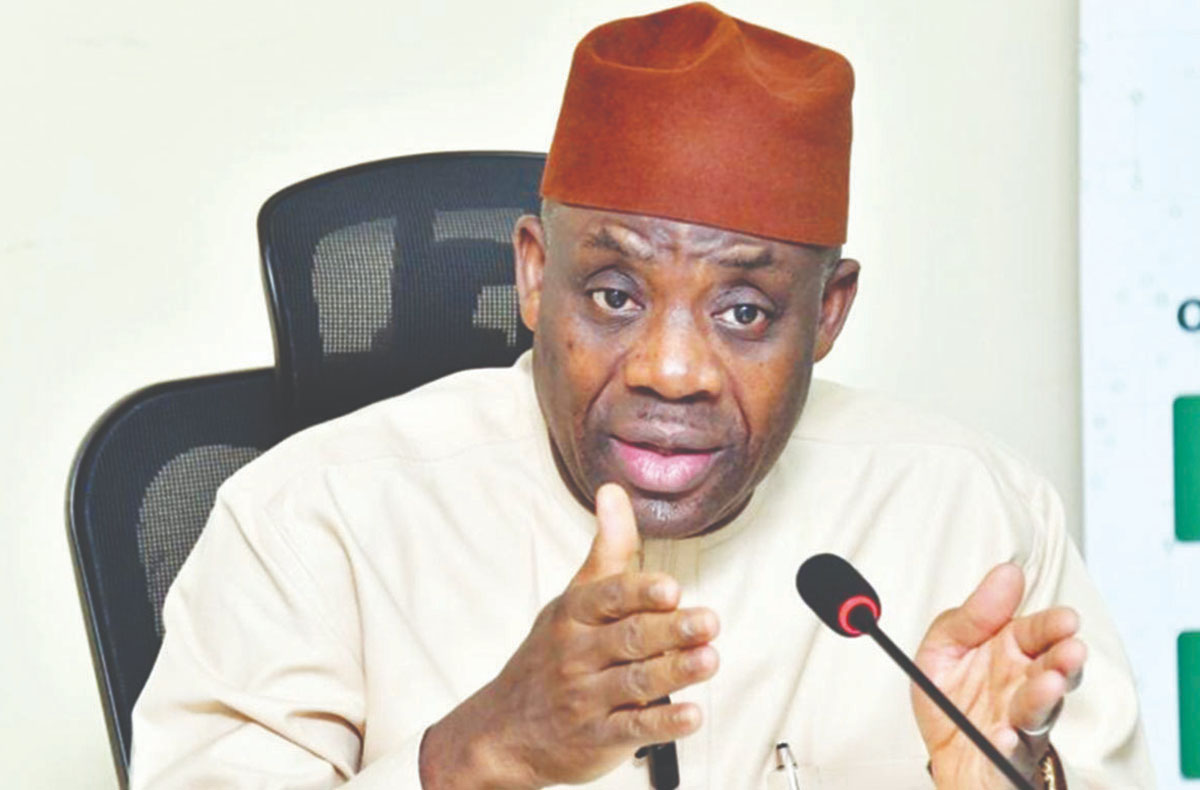
FG Releases 2026–2028 Approved Textbooks, Introduces QR Codes for Tracking
The Federal Government has released the final list of approved and ranked textbooks for use in Nigerian schools from 2026 to 2028, covering selected classes in primary and secondary education.
The Federal Ministry of Education said the release followed the completion of the first phase of the National Textbook Ranking System, a new framework designed to improve the quality, relevance, transparency and accountability of instructional materials used in schools.
The first phase covers Primary 1, Primary 4, Junior Secondary School 1 (JSS 1) and Senior Secondary School 1 (SS 1).
The ministry said every textbook on the approved list has been assigned a unique Ranking/QR Tracking Code, alongside details such as the book title, author, publisher and year of publication.
The QR-based system is intended to make it easier for education authorities and other stakeholders to identify approved textbooks and monitor their use, while helping to curb the circulation of materials that have not passed the required assessment and ranking processes.
The exercise was carried out under the supervision of the Minister of Education, Maruf Tunji Alausa, and the Minister of State for Education, Suwaiba Sa’id Ahmad.
The government said the new system represents a shift from the previous approach, which focused primarily on textbook approval, to a process that also ranks books according to established quality and curriculum standards.
Under the new arrangement, only nationally ranked and approved textbooks are to be used in public schools for the affected classes.
The Federal Government has also indicated that the number of titles approved for individual subjects will be controlled, generally ranging from six to 10 textbooks, depending on curriculum requirements.
The policy is intended to reduce the proliferation of textbooks of varying quality and give schools a more manageable pool of materials from which to select.
READ ALSO:
- 24 Hours in Darkness: Iju Ishaga Residents, Businesses Count Losses as Ikeja Electric Fails to Restore Power
- TCAN Honours Dangote Cement Transport for Safety, Logistics Excellence
- Osogbo Food Bonanza Turns Nightmare as Discount Vendor Vanishes With Customers’ Millions
The government has further stated that ranked textbooks are expected to remain valid for at least three years, providing greater stability for schools, parents and learners and reducing the frequency with which families may be required to purchase new textbooks.
The Nigerian Educational Research and Development Council (NERDC) is responsible for the assessment and ranking process.
NERDC had earlier explained that textbooks submitted for the affected classes would undergo assessment against prescribed standards. Previously assessed textbooks were also required to be resubmitted because the new process incorporates ranking in addition to approval.
The 2026 textbook ranking exercise is being implemented in three phases. While the first phase covers Primary 1, Primary 4, JSS 1 and SS 1, the second phase will cover Primary 2, Primary 5, JSS 2 and SS 2.
The third phase will cover Primary 3, Primary 6, JSS 3 and SS 3, completing the ranking process across the major class levels.
The government has also announced measures aimed at reducing the cost of participation for publishers. The textbook assessment fee was reduced from ₦2,000 to ₦1,500 per page, while the ranking fee was reduced from ₦1 million to ₦750,000 per title.
The textbook reforms are also linked to a broader government policy encouraging the production of more durable instructional materials.
The Federal Ministry of Education has promoted textbooks that can be reused over several academic sessions and discouraged the practice of bundling disposable workbooks with textbooks where this would increase costs for families.
The ministry has said the durability policy is aimed at making educational materials more affordable and sustainable, particularly for households with children in multiple school classes.
The introduction of QR tracking codes is also expected to improve traceability and accountability within the textbook supply chain.
The Universal Basic Education Commission (UBEC), through the HOPE-EDU programme, is separately implementing a book supply-chain Track ‘N’ Trace system designed to improve monitoring of the distribution of learning materials from procurement to schools and learners.
The Federal Government has urged publishers, schools, education authorities and procurement agencies to consult the official 2026–2028 approved textbook list before selecting or purchasing books for the affected classes.
The ministry said the overall objective is to ensure that learners and teachers have access to quality, curriculum-aligned and properly assessed textbooks, while improving transparency in textbook selection, procurement and distribution across Nigeria’s education system.
FG Releases 2026–2028 Approved Textbooks, Introduces QR Codes for Tracking
Education
MURIC Raises Alarm Over Alleged Hijab Ban, Forced CRK in Ekiti Schools
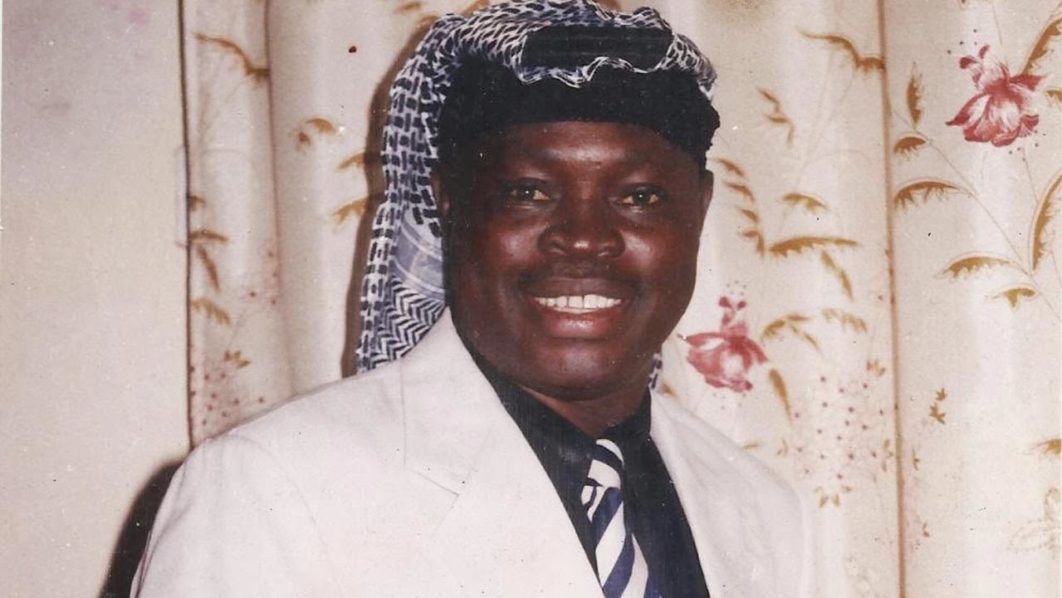
MURIC Raises Alarm Over Alleged Hijab Ban, Forced CRK in Ekiti Schools
The Muslim Rights Concern (MURIC) has called on the Ekiti State Government to investigate allegations that female Muslim students are being denied the use of hijab in public schools and that Muslim students who registered for Islamic Religious Knowledge (IRK) are being made to take Christian Religious Knowledge (CRK).
The organisation made the demand in a statement issued on Monday, September 28, 2026, by its Executive Director, Professor Ishaq Akintola, following allegations raised by the League of Imams and Alfas in Ekiti State.
The League reportedly raised the allegations at its monthly meeting held at the Central Mosque, Iyin-Ekiti, on Thursday, September 24.
MURIC described the allegations as “grave, concerning and unnerving”, arguing that, if established, the reported practices would raise serious questions about religious freedom and the rights of Muslim pupils in public schools.
Akintola said the alleged denial of hijab to Muslim female students was particularly concerning, arguing that Muslim women and girls should be able to observe their religious dress requirements.
“In the 21st century, when hijab is allowed in London, Paris and New York schools, female Muslim students are still being denied the use of hijab in public schools in Ekiti State,” he said.
He questioned the state’s record on religious tolerance, saying the allegations appeared inconsistent with claims of peaceful coexistence and mutual respect among religious communities in Yorubaland.
MURIC also expressed concern over the allegation that Muslim students who had registered for IRK were being compelled to study CRK.
The group described the alleged practice as “anachronistic, myopic and repressive”, and called on the state government to examine the conduct of education officials involved.
Akintola said MURIC was opposed to what it described as “illegal, illegitimate, unlawful and unconstitutional practices” in the state’s education sector.
He further linked the latest allegations to previous incidents involving Muslims in Ekiti, citing an alleged clash between traditionalists and Muslims at Ikun in Moba Local Government Area, during which an imam was reportedly injured and a mosque vandalised.
He also referred to a previous controversy over the proposed demolition of four mosques during the administration of former Governor Ayo Fayose, as well as the reported demolition of Sabo Central Mosque in Aramoko-Ekiti in April 2025.
According to Akintola, the incidents cited by MURIC demonstrated the need for the state government to address complaints concerning religious rights before tensions escalate.
“We therefore charge the Ekiti State Government to investigate the allegations levelled by the League of Imams against Ekiti State education officials with a view to making amends,” he said.
On the constitutional dimension, MURIC cited Section 38 of the 1999 Constitution, which guarantees freedom of thought, conscience and religion.
Akintola argued that Muslim students should not be compelled to receive religious instruction contrary to their faith, while calling on education authorities to ensure that pupils are allowed to practise their religion without discrimination.
He said the allegations, if established, would amount to violations of the rights of Muslim children and urged the Ekiti Government to take corrective measures.
MURIC’s statement, however, characterised the alleged actions in stronger terms, accusing those responsible of religious intolerance and persecution of Muslims.
The organisation consequently urged the state government to investigate the claims made by the League of Imams and ensure that religious freedom and the rights of students are protected in public schools across Ekiti State.
MURIC Raises Alarm Over Alleged Hijab Ban, Forced CRK in Ekiti Schools
Education
UK Student Visa: 63 Countries Exempt From Proof of Funds, Nigeria Excluded

UK Student Visa: 63 Countries Exempt From Proof of Funds, Nigeria Excluded
The United Kingdom has exempted citizens of 63 countries and territories from providing financial evidence upfront when applying for a Student visa, under its differential evidence requirement.
The policy means eligible applicants generally do not need to submit documents showing that they have sufficient funds to support themselves during their studies when they make their initial visa applications.
However, the exemption does not remove the underlying financial requirement. The UK government can still ask applicants from the exempt countries to provide evidence of their finances before deciding their applications.
For students who are required to provide financial evidence, the current UK Student visa rules require applicants to demonstrate that they have enough money to cover their living expenses while studying in Britain.
Students studying in London are required to show £1,529 per month for up to nine months, while those studying outside London must generally demonstrate £1,171 per month for up to nine months.
Applicants may also be required to show that they have enough money to pay their course fees for one academic year, subject to the amount stated on their Confirmation of Acceptance for Studies (CAS).
The required maintenance funds generally must have been held for 28 consecutive days, with the end of that period falling within 31 days of the visa application.
The countries covered by the differential evidence arrangement include Australia, Austria, Bahrain, Barbados, Belgium, Botswana, Brazil, Brunei, Bulgaria, Cambodia, Canada, Chile, China, Croatia, Cyprus, Czechia, Denmark, Dominican Republic, Estonia, Finland, France, Germany, Greece, Hungary, Iceland, Indonesia, Ireland, Italy, Japan, Kazakhstan, Kuwait, Latvia, Liechtenstein, Lithuania, Luxembourg, Malaysia, Malta, Mauritius, Mexico, Netherlands, New Zealand, Norway, Oman, Peru, Poland, Portugal, Qatar, Romania, Serbia, Singapore, Slovakia, South Korea, Spain, Sweden, Switzerland, Thailand, Tunisia, United Arab Emirates and the United States.
The relevant UK immigration guidance also contains provisions covering certain applicants holding passports from Hong Kong SAR, Macau SAR and Taiwan, as well as British National (Overseas) passport holders.
READ ALSO:
- Lagos Intensifies Surveillance as Adulterated Palm Oil Raises Food Safety Concerns
- Saudi Arabia Rejects Nigeria’s Request for More 2027 Hajj Slots
- MURIC Warns FG: Any Move Against Atiku Now Lacks Tact
Among African countries, Botswana, Mauritius and Tunisia are included on the list.
Nigeria is not included, meaning Nigerian citizens applying for a UK Student visa should continue to prepare to meet the applicable financial evidence requirements.
The same applies to applicants from several other major African countries, including Ghana, Kenya and South Africa, which are also not among the countries listed under the differential evidence arrangement.
The exemption is therefore not a blanket waiver of financial requirements for international students.
Instead, it changes the documentary evidence requirement at the point of application for nationals of the specified countries.
Applicants covered by the arrangement must still satisfy other UK Student visa requirements, including securing admission to an approved education provider and obtaining a valid Confirmation of Acceptance for Studies.
They must also satisfy the other eligibility and immigration conditions applicable to their circumstances.
For applicants who do need to provide financial evidence, acceptable funds can generally include money held by the applicant, qualifying funds held by a parent or partner, an eligible student loan or official financial sponsorship.
The UK rules exclude certain assets from being used as qualifying financial evidence, including overdrafts, cryptocurrencies, stocks and shares and pensions.
There are also circumstances in which an applicant who is not covered by the 63-country differential evidence list may not have to provide financial evidence.
For example, applicants who have been living in the UK with valid permission for at least 12 months immediately before the date of their Student visa application are generally exempt from demonstrating the financial requirement.
The distinction between the financial requirement and the requirement to submit financial evidence is therefore important.
A student from one of the 63 countries is generally not required to attach proof of funds to the initial application, but UK Visas and Immigration can still request evidence.
If such a request is made, the applicant must be able to demonstrate that they meet the relevant financial requirement.
For Nigerian students, the situation remains unchanged by the latest differential evidence list.
A Nigerian applicant planning to study in Britain should therefore ensure that the required funds are available and satisfy the relevant rules before submitting a UK Student visa application.
Students should also ensure that their financial documents meet the prescribed holding-period requirements and correspond with the information contained in their visa application and CAS.
The development is particularly relevant to international students considering the UK as a destination for higher education, as financial evidence is one of the key requirements that applicants may have to satisfy before receiving a Student visa.
The UK government advises prospective students to check the latest immigration guidance before applying because Student visa requirements and financial thresholds can be updated.
For Nigerians seeking to study in Britain, the key point is that the 63-country differential evidence arrangement does not currently include Nigeria.
Nigerian applicants should therefore continue to prepare the appropriate proof of funds and meet all other requirements applicable to the UK Student visa route.
UK Student Visa: 63 Countries Exempt From Proof of Funds, Nigeria Excluded
-

 International2 days ago
Iran Claims Capture of Second US Underwater Drone in Strait of Hormuz
-

 metro2 days ago
Woman Busted With Alleged Alcohol Hidden in Water Pack at Ogun Prison
-

 News2 days ago
Fake Agency Scandal: Gbajabiamila Says He Never Betrayed Tinubu’s Trust
-

 metro12 hours ago
Osogbo Food Bonanza Turns Nightmare as Discount Vendor Vanishes With Customers’ Millions
-

 metro24 hours ago
24 Hours in Darkness: Iju Ishaga Residents, Businesses Count Losses as Ikeja Electric Fails to Restore Power
-

 metro2 days ago
Passenger Dies After Jumping From Moving Bus In Lagos
-

 News2 days ago
Anambra Govt Demands Unreserved Apology From Peter Obi Over Debt Claims
-

 Politics2 days ago
APC Sweeps Enugu LG Election, Wins All 17 Chairmanship, 260 Councillorship Seats