

Business
Dangote, marketers slash petrol depot prices amid FG pressure

Dangote, marketers slash petrol depot prices amid FG pressure
Dangote Petroleum Refinery and several major fuel marketers have reduced their petrol depot prices following mounting pressure from the Federal Government for cost-reflective fuel pricing, a move that could pave the way for lower petrol pump prices across Nigeria.
The latest price cuts come amid increasing competition in the downstream petroleum sector, improved domestic refining capacity and sustained moderation in global crude oil prices, all of which are reshaping the country’s deregulated fuel market.
The development followed a high-level stakeholders’ meeting convened in Abuja by the Nigerian Midstream and Downstream Petroleum Regulatory Authority (NMDPRA) to address concerns over the disconnect between falling international crude oil prices and the relatively high retail price of Premium Motor Spirit (PMS) in Nigeria.
The meeting brought together representatives of the Dangote Petroleum Refinery, the Major Energy Marketers Association of Nigeria (MEMAN), the Independent Petroleum Marketers Association of Nigeria (IPMAN), the Depot and Petroleum Products Marketers Association of Nigeria (DAPPMAN), the Nigerian Association of Road Transport Owners (NARTO) and the Petroleum Products Retail Outlets Owners Association of Nigeria (PETROAN).
Addressing industry stakeholders, the Minister of State for Petroleum Resources (Oil), Senator Heineken Lokpobiri, said the current petrol price no longer reflects prevailing international market realities.
According to him, when Brent crude traded above $100 per barrel, marketers quickly adjusted pump prices upward. Therefore, he argued, Nigerian consumers deserve to benefit now that global crude prices have dropped below $70 per barrel.
Lokpobiri stressed that while Nigeria operates a fully deregulated downstream petroleum market under the Petroleum Industry Act (PIA), deregulation should not become an avenue for excessive profiteering. He noted that the law also empowers the NMDPRA to prevent unfair pricing practices and protect consumers from unreasonable fuel costs.
READ ALSO:
- Russian airstrike kills Nigerian medical student days before graduation in Ukraine
- FG meets Dangote, oil marketers to ensure fair petrol prices
- ICYMI: How to Apply for 2026 FRSC Recruitment Successfully
The minister disclosed that discussions with marketers were frank and productive, adding that further engagements would continue until a pricing framework that reflects prevailing crude oil prices is achieved.
“We presented the concerns of Nigerian consumers, and marketers have agreed to review the issues raised. Discussions are ongoing, and we believe meaningful progress is being made,” he said.
Following the meeting, fresh depot pricing data showed that Dangote Petroleum Refinery reduced its Lagos ex-depot petrol price by ₦3 per litre, lowering the price from ₦1,079 to ₦1,076 per litre. The refinery, however, retained its diesel ex-depot price at ₦1,500 per litre.
The latest adjustment adds to a series of recent reductions by the refinery as it continues to leverage increased production efficiency and stronger domestic supply to compete aggressively in Nigeria’s fuel market. Industry observers say Dangote’s pricing strategy is compelling marketers and depot operators to review their prices in order to retain market share.
Several petroleum marketers also announced fresh reductions in their depot prices.
In Lagos, NIPCO reduced its petrol depot price by ₦2 to ₦1,076 per litre, while Pinnacle lowered its price by ₦3 to ₦1,075 per litre. Similarly, Sahara, AIPEC and African Terminal each reduced their depot prices by ₦4, bringing their petrol prices to ₦1,075 per litre, while Aiteo maintained its price at ₦1,075 per litre.
Diesel prices also recorded noticeable declines. Rain Oil cut its Automotive Gas Oil (AGO) price by ₦15 to ₦1,430 per litre, while Ibeto, Duport and Ibachem all reduced their diesel prices to ₦1,430 per litre. Dangote Refinery retained its diesel price at ₦1,500 per litre.
The downward pricing trend extended to other parts of the country.
In Port Harcourt, Matrix reduced its petrol price by ₦8 to ₦1,087 per litre and slashed diesel by ₦55 to ₦1,465 per litre, the largest diesel reduction recorded during the trading session. Sigmund also lowered its petrol price by ₦12 to ₦1,082 per litre, although it marginally increased diesel by ₦2 to ₦1,463 per litre.
In Calabar, Fynfield reduced its petrol price by ₦7 to ₦1,090 per litre, while Soroman lowered its price by ₦5 to the same level.
In Warri, Matrix and Prudent both reduced petrol prices by ₦5 to ₦1,085 per litre. On the diesel side, Prudent cut its price by ₦25 to ₦1,475 per litre, while A.Y.M. Shafa reduced its diesel price by ₦3 to ₦1,455 per litre.
Energy analysts believe the latest reductions underscore how competition is transforming Nigeria’s deregulated downstream petroleum sector. The commencement of large-scale operations at the Dangote Petroleum Refinery has significantly improved domestic fuel availability, reduced dependence on imported petroleum products and compelled depot owners and marketers to compete more aggressively on price. The trend has also been supported by relatively stable international crude oil prices, easing pressure on the cost of refined petroleum products.
The Chief Executive of the NMDPRA, Mallam Rabiu Umar, said government engagement with marketers became necessary because retail petrol prices had not fallen in line with declining global crude oil prices. According to him, deregulation should promote both investor confidence and consumer protection, stressing that sustainable profitability for marketers and affordable fuel prices for Nigerians can coexist within a transparent and competitive market.
Meanwhile, the Independent Petroleum Marketers Association of Nigeria (IPMAN) expressed optimism that petrol pump prices could eventually fall below ₦800 per litre.
IPMAN National President, Abubakar Garima, attributed the projection to plans by independent marketers to begin purchasing products directly from the Dangote Petroleum Refinery, eliminating several intermediary costs that currently push up retail prices. According to him, the association has already reduced petrol prices by about ₦125 per litre in several parts of the country and will continue to lower prices whenever acquisition costs decline.
Industry stakeholders believe that if global crude oil prices remain stable and domestic refining capacity continues to improve, Nigerians could witness additional reductions in petrol prices in the coming weeks, providing much-needed relief for households, transport operators and businesses grappling with high energy costs.
If you’d like, I can also tighten this further into a more concise 700–900-word premium news feature in the editorial style commonly used by major Nigerian news platforms.
Dangote, marketers slash petrol depot prices amid FG pressure






Auto
CBN Governor, NADDC DG to Lead LCCI Debate on Vehicle Financing as Alternative to Fuel Subsidy

CBN Governor, NADDC DG to Lead LCCI Debate on Vehicle Financing as Alternative to Fuel Subsidy
The Governor of the Central Bank of Nigeria (CBN), Olayemi Cardoso, and the Director-General of the National Automotive Design and Development Council (NADDC), Joseph Osanipin, are among key stakeholders expected at a high-level symposium examining whether vehicle financing can provide a sustainable alternative to fuel subsidy as a tool for improving mobility in Nigeria.
Organised by the Auto Sectoral and Allied Group of the Lagos Chamber of Commerce and Industry (LCCI), the one-day symposium is scheduled for September 17, 2026, at the Henry Fajemirokun Hall, LCCI, Victoria Island, Lagos.
Themed “From Subsidy to Credit: Can Vehicle Financing Replace Fuel Subsidy as Nigeria’s Mobility Equalizer?”, the event will bring together stakeholders across the automotive, financial and transport sectors to examine how affordable credit can expand vehicle ownership, support fleet renewal and reduce the burden of rising transportation costs.
The organisers said the removal of fuel subsidy and its impact on transport costs had made it imperative to rethink how mobility could be made more affordable and sustainable.
Rather than relying largely on interventions aimed at keeping fuel prices low, the symposium will examine whether a robust vehicle-financing ecosystem can enable individuals, transport operators and small businesses to acquire vehicles through affordable and sustainable credit arrangements.
Discussions will focus on automotive lending, leasing, fleet renewal and the role of banks, development finance institutions and other financial players in expanding access to vehicle ownership.
The symposium is also expected to interrogate major barriers to automotive financing, including high interest rates, short loan tenures, foreign exchange pressures, high vehicle prices, credit risks and the limited availability of financing products tailored to Nigeria’s automotive market.
Chairman of the LCCI Auto Sectoral and Allied Group and Deputy Managing Director of R.T. Briscoe Nigeria Plc, Dr Femi Eghuaikhide, said the symposium was coming at a critical time when Nigeria needed to rethink how mobility could be made accessible to a wider population.
“The question before us is no longer simply how to make fuel cheaper, but how to make mobility more affordable and sustainable for Nigerians. Vehicle financing has the potential to become a powerful mobility equalizer if we can develop the right credit structures, realistic repayment terms and strong collaboration between government, financial institutions and automotive industry stakeholders.”
Eghuaikhide said the symposium would provide a platform for stakeholders to move beyond identifying the challenges and develop practical financing solutions capable of supporting vehicle ownership, public transportation and the growth of Nigeria’s automotive industry.
Also speaking, Chairman of the Symposium Organising Committee and Chief Operating Officer of Bras Motors Limited, Austin Akpovili, said the event was designed to generate practical and actionable solutions.
“We are bringing the right stakeholders to one table because mobility is not only an automotive issue; it is an economic issue. Our objective is to examine how access to affordable vehicle credit can transform the lives of individuals, transport operators and businesses, while creating a stronger and more sustainable automotive ecosystem for Nigeria.”
Akpovili said participants would also have the opportunity to examine existing financing models and identify innovative approaches to make vehicle acquisition accessible to a broader segment of the population.
The event is expected to attract automobile manufacturers and dealers, commercial banks, development finance institutions, leasing and insurance companies, transport operators, government agencies, policymakers and other stakeholders across the automotive value chain.
Beyond vehicle ownership, experts will examine how affordable financing could accelerate the renewal of Nigeria’s ageing vehicle fleet, improve public transportation and stimulate demand for locally assembled vehicles and locally manufactured automotive components.
The LCCI Auto Sectoral and Allied Group has traditionally used its annual symposium to bring government, business leaders, financial institutions and automotive stakeholders together to address critical issues confronting the industry.
With this year’s theme shifting the conversation “from subsidy to credit,” the symposium is expected to examine whether Nigeria can move from short-term consumption support to a sustainable financing model that promotes asset ownership, productivity and economic empowerment.
The organisers said recommendations from the symposium would be presented as possible policy and industry solutions for making vehicle financing a stronger component of Nigeria’s broader mobility and economic development strategy.
Business
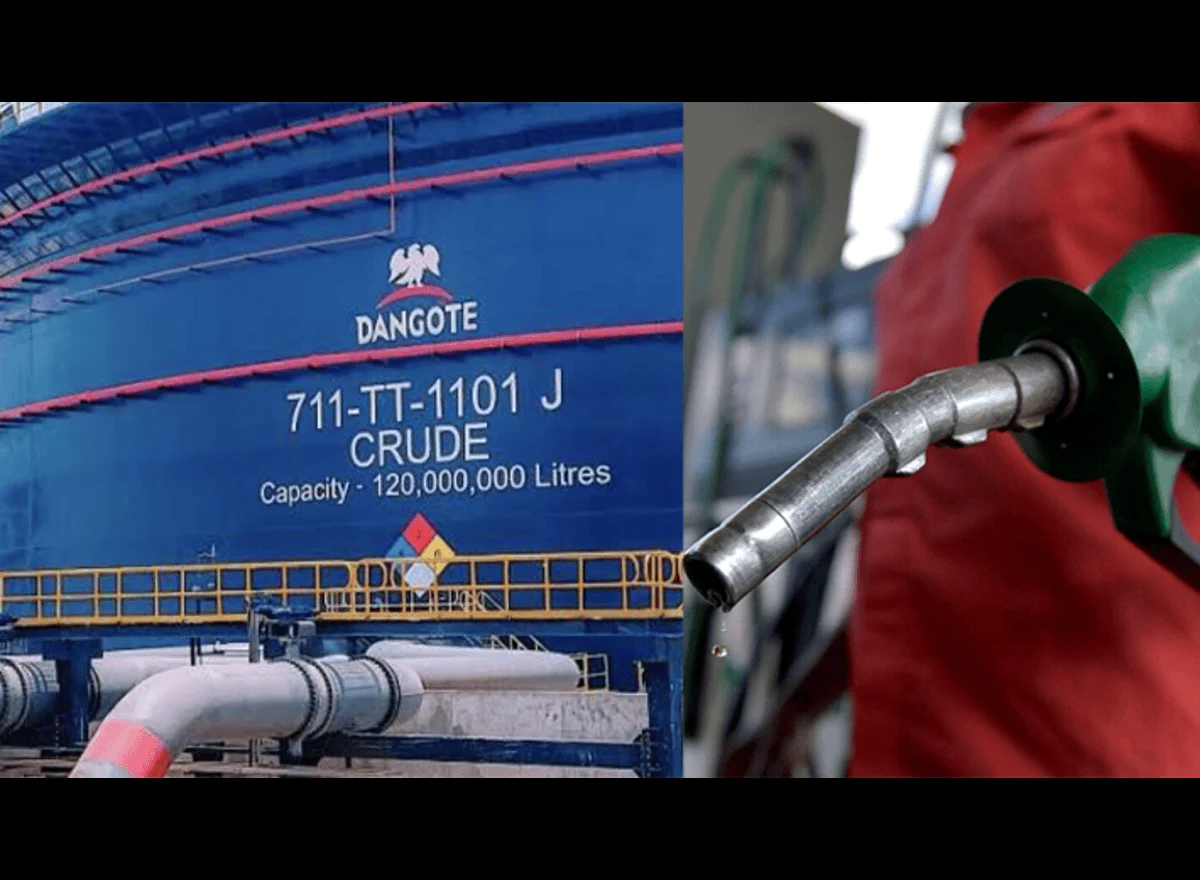
Just When You Thought Fuel Prices Were Falling – Dangote Refinery Pulls the Trigger Again
Just When You Thought Fuel Prices Were Falling – Dangote Refinery Pulls the Trigger Again
Lagos, Nigeria – Barely two weeks after slashing its petrol price to N1,165 per litre, the Dangote Petroleum Refinery has increased its Premium Motor Spirit (PMS) gantry price by N20 to N1,185 per litre, effective midnight on Friday, August 21, 2026. The adjustment comes amid a sustained rally in global crude oil prices, with Brent futures climbing above $93 per barrel as tensions between the United States and Iran continue to unsettle energy markets.
The price review, reported by Petroleumprice.ng, comes as competition among fuel suppliers continues to reshape the Lagos depot market. At N1,185 per litre, Dangote’s petrol remains N15 cheaper than the N1,200 being quoted at Integrated Oil and Gas, African Terminals and NIPCO, while Pinnacle Oil and Gas sells at N1,190. More significantly, the new price remains below the current import-related benchmark of approximately N1,218 per litre as reported by the Major Energy Marketers Association of Nigeria (MEMAN), meaning Dangote’s revised gantry price is still N33 below the cost of importing the product.
The refinery’s decision comes against a backdrop of persistent global crude supply fears. Brent crude extended its rally for a fifth consecutive day on Thursday, reaching a three-week high as diplomatic efforts between Washington and Tehran remained stalled. The international benchmark rose 1.95 per cent to $93.48 per barrel, while West Texas Intermediate (WTI) gained two per cent to $86.12 per barrel. The sustained rally has pushed crude prices to their strongest levels since July, with Brent climbing more than seven per cent over five sessions.
US President Donald Trump’s recent threat of “the most crushing economic operation ever taken against any country” has heightened fears of stricter sanctions enforcement against Iran. ING commodities strategists Warren Patterson and Ewa Manthey noted that the warning signals “further escalation in US efforts to isolate Iran.” The UAE has also suspended all financial and economic transactions with Iran, adding another layer of uncertainty for energy markets already dealing with disruptions across the Gulf region.
READ ALSO:
- History in Makkah: Nigerian Teen Wins Prestigious Qur’anic Contest, Breaks 46-Year Gender Barrier
- Dangote deploys technology to curb truck crashes, improve road safety
- Atiku’s Fuel Subsidy Plan Unrealistic, Destructive, Says Presidency
Despite the rise in crude futures, analysts observe that the real stress in the oil market is downstream. Ole Hansen, Head of Commodity Strategy at Saxo Bank, noted that “crude is available, diesel is not,” emphasising that the market continues to underestimate the extent of supply disruptions affecting refined fuel markets. The diesel crack spread in the United States crossed the $100-per-barrel mark this week for the first time, reaching as high as $102 per barrel on Monday before easing to about $100.
The refinery’s latest price increase also coincides with a rise in the price of diesel. Dangote raised its Automotive Gas Oil (AGO) gantry price by N100 to N1,670 per litre, effective from midnight Friday. This places the refinery’s diesel price N21 above the current landing cost of N1,649, though still N30 below rates quoted by several Lagos depots, including African Terminal, Integrated, Duport, Ibachem, Gulf Treasure and Pivot. The diesel price hike is expected to impact transport, manufacturing, and power generation costs across the economy.
For Nigerian consumers, the key question remains whether movements in depot prices will translate into corresponding changes at the pump. Following Dangote’s August 6 price reduction to N1,165, checks in Lagos showed several filling stations continuing to sell petrol at between N1,240 and N1,260 per litre, raising fresh questions about how quickly changes in refinery and depot prices are transmitted to consumers. A lower gantry price does not automatically determine the final retail price, which also reflects transportation, logistics, dealer margins and other operating costs.
The refinery’s entry into the domestic fuels market has fundamentally altered the competitive dynamics of Nigeria’s downstream petroleum industry. Rather than simply competing with imported products, the facility—with its 650,000 barrels-per-day capacity—is increasingly competing directly with independent depots and other suppliers for the same pool of marketers. Officials of the Dangote Group had yet to comment on the reported price increases as of press time.
As global crude prices remain elevated amid geopolitical uncertainty and the refinery assumes an increasingly dominant position in Nigeria’s fuel supply chain, its pricing moves are being closely watched as a barometer for the downstream petroleum market. The potential for further price volatility persists as analysts warn that Brent could approach $95 and potentially $100 per barrel if disruptions to shipping through the Strait of Hormuz continue.
Just When You Thought Fuel Prices Were Falling – Dangote Refinery Pulls the Trigger Again
Auto
Dangote deploys technology to curb truck crashes, improve road safety
Dangote deploys technology to curb truck crashes, improve road safety
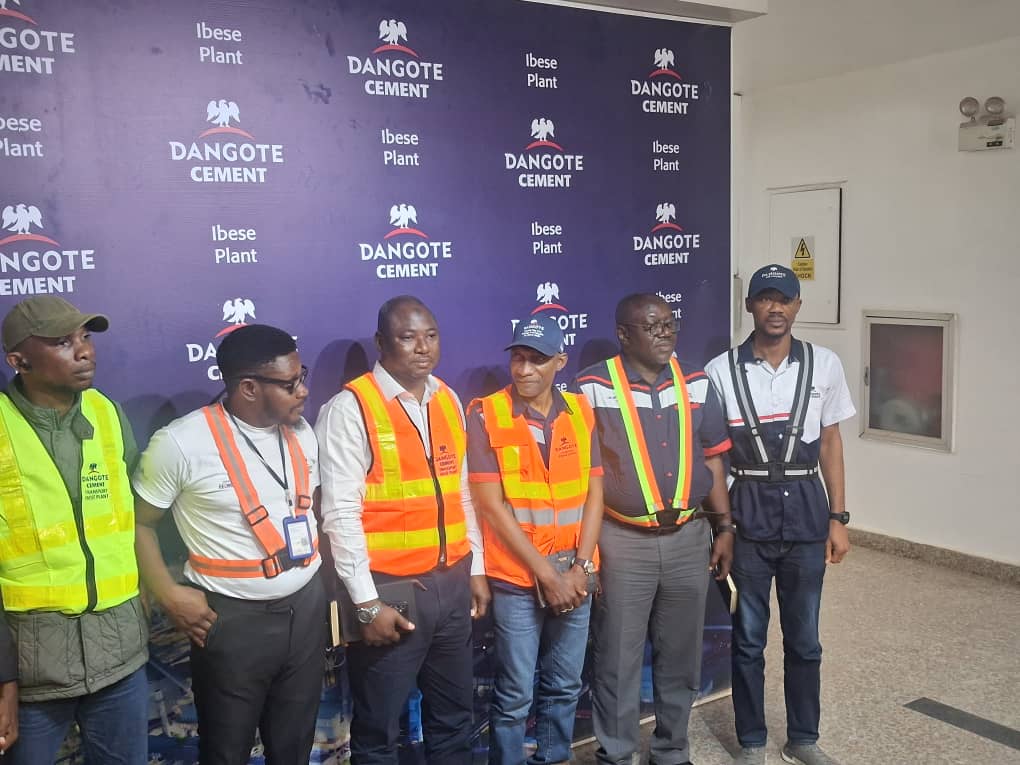
Dangote Cement has stepped up the deployment of advanced safety technology and monitoring devices including cameras across its truck fleet as part of efforts to improve driver behaviour and reduce road crashes involving its vehicles.
The company said the technology, which enables real-time monitoring of its trucks and drivers, was being complemented with intensive driver training, strict safety protocols and incentives for accident-free driving.
The Head of Operations, Dangote Cement Ibese, Ogun State, David Idiege, disclosed this on Thursday at a press briefing on the company’s road safety measures, explaining that the initiative was designed to give the company greater control over what happens on the road.
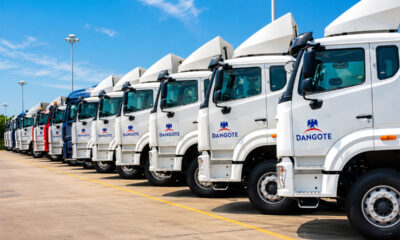
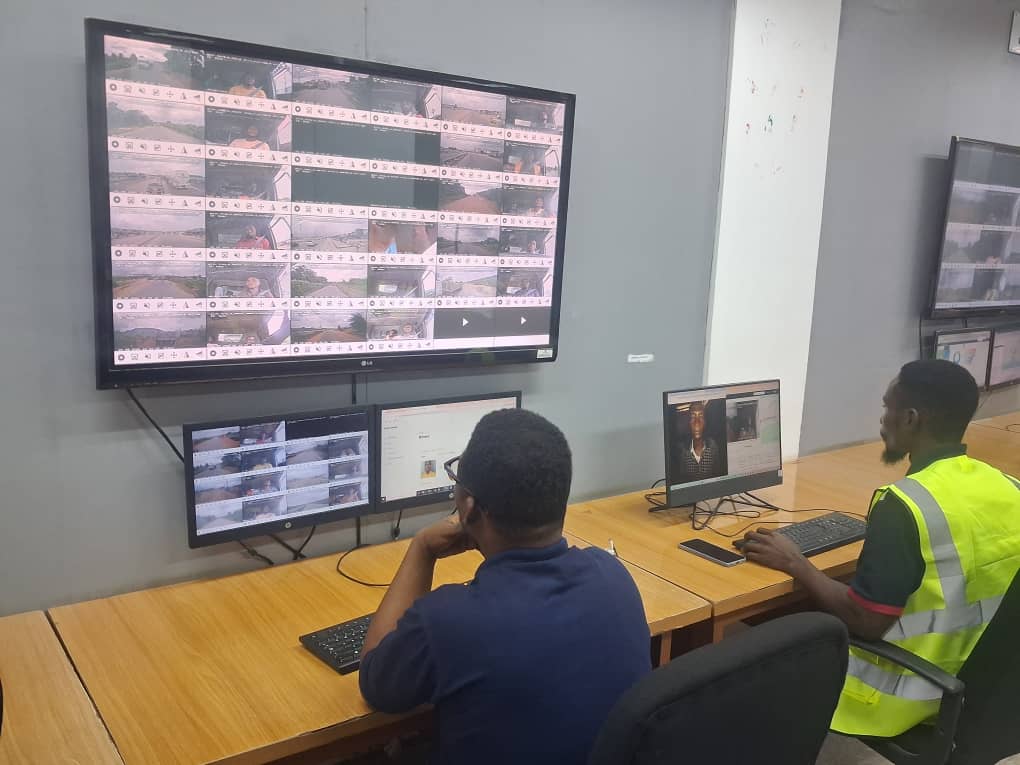
With more than 4,000 trucks operating from the Ibese plant, Idiege said the company had invested in the cameras and other state-of-the-art devices capable of monitoring its trucks in real time and helping to detect unsafe driving practices.
“That is why we have cameras in our trucks and state-of-the-art technologies that make us see in real time what is happening in any of our trucks at every material time,” he said.
According to him, the technology is particularly important in addressing practices such as speeding and proxy driving, where authorised drivers hand over trucks to unauthorised persons.
“Proxy driving, cases where our drivers give the truck to some other person to drive for them, and the company has stringent sanctions applied to any driver caught in proxy driving,” he said.
Idiege added that environmental factors, including bad weather, also contributed to some road incidents, making real-time monitoring and driver vigilance critical to the company’s safety strategy.
READ ALSO:
- Atiku’s Fuel Subsidy Plan Unrealistic, Destructive, Says Presidency
- Former MFM Pastor Femi Jimoh Dies After Years of Detention, Legal Dispute
- Former MFM Pastor Femi Jimoh Dies After Years of Detention, Legal Dispute
Beyond technology, he said Dangote Cement was strengthening driver competence by using some of its best-performing drivers as safety ambassadors to train their colleagues.
“We also have a very good rewards system for those who drive diligently without getting involved in accidents. Aside from the rewards and certificates, we also bring those best drivers up to train their colleagues,” he said.
The company’s Head of Human Resources, Muhammed Al-Hassan, said driver development remained a key component of its road safety programme, stressing that only properly trained drivers were permitted to operate its trucks.
He said the company also encouraged safe driving through monthly and annual recognition of drivers who maintained accident-free records.
“For instance, a driver who has been driving without getting involved in accidents is rewarded monthly,” Al-Hassan said.
He added that at the company’s annual safety day, the driver with an outstanding accident-free record would be recognised as the “Safety Person of the Year” and rewarded in line with the organisation’s policies.
While the company maintains disciplinary measures for breaches of safety protocols, Al-Hassan said the broader objective was to ensure that drivers understood and complied with the organisation’s safety standards.
He disclosed that more than 250 drivers had faced sanctions for various safety violations between 2025 and 2026, but stressed that the company’s approach combined enforcement with training, monitoring and incentives.
Idiege also clarified that not every truck bearing the Dangote brand was currently under the company’s direct operational control.
He explained that some trucks previously owned by Dangote had been leased to customers and were now operated by those customers. According to him, trucks no longer managed by the company had been de-branded.
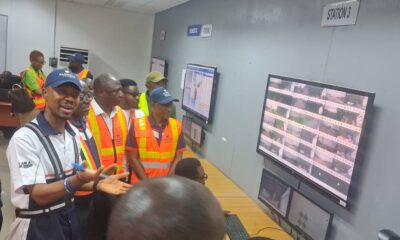
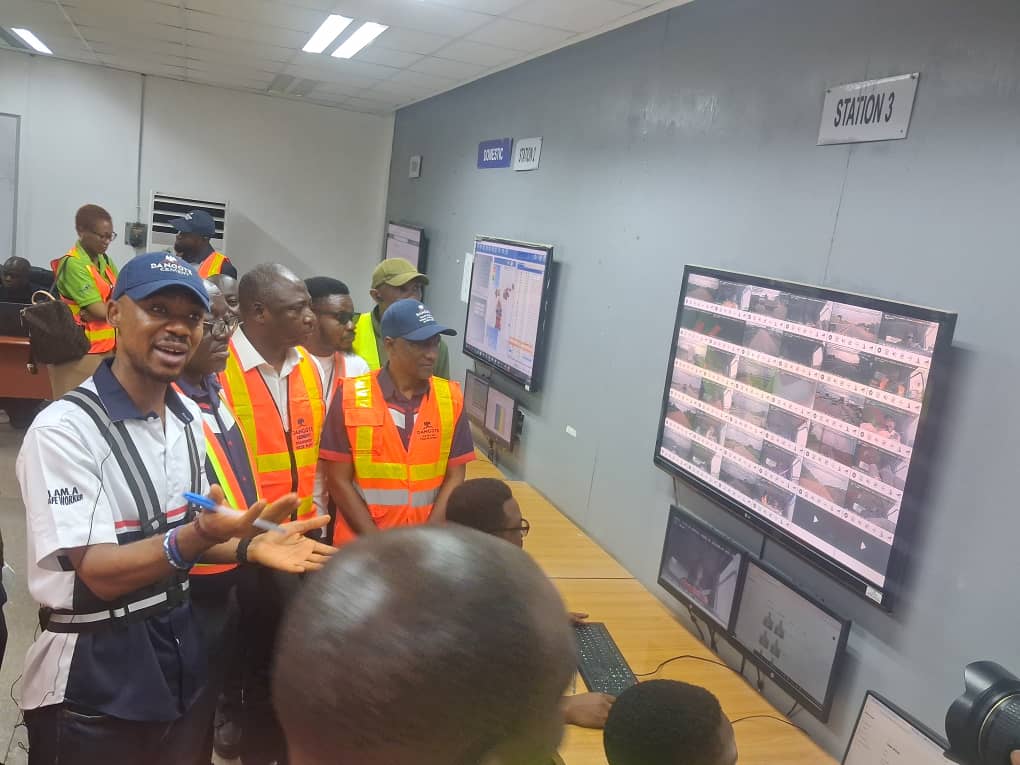
Later, at the Ibese Plant Control Room, the company’s Head of Control, Mr Ifeanyi Eziri, took journalists through the monitoring and tracking processes used to keep tabs on drivers and trucks operating on roads across the country, including the procedures for remotely demobilising vehicles where safety violations are detected.
The company said the combination of smart monitoring devices, driver training, safety ambassadors, real-time surveillance and rewards for responsible driving was aimed at creating a stronger safety culture and reducing truck-related accidents on Nigerian roads.
-

 metro2 days ago
Palace Chaos: Police Say Cultists Targeted Davido, Not Gov Adeleke, in Deadly Osogbo Shooting
-

 metro2 days ago
PFIPC Scandal: Tinubu Orders Forensic Probe as ICPC Uncovers Multiple Fake Agencies
-

 News2 days ago
Tinubu orders transfer of EFCC cash recoveries, N242bn unclaimed dividends to NELFUND
-

 Politics2 days ago
Atiku Dismisses Obasanjo’s Political Clout, Says Ex-President Has ‘No Electoral Value’
-

 metro1 day ago
History in Makkah: Nigerian Teen Wins Prestigious Qur’anic Contest, Breaks 46-Year Gender Barrier
-

 metro2 days ago
Former MFM Pastor Femi Jimoh Dies After Years of Detention, Legal Dispute
-

 News1 day ago
Delta Governor Reveals ₦503,000 Monthly Salary, Says Permanent Secretaries Earn ₦900,000
-

 Africa2 days ago
M23 Rebels Impose Ebola Movement Restrictions as DRC Conflict Complicates Outbreak Response