

metro
My wife beats me, urinates on the bed after drinking, man tells court

My wife beats me, urinates on the bed after drinking, man tells court
A man, Ahmed, has appeared before Grade A Customary Court, Mapo, Ibadan, Oyo State praying that his marriage to his wife, Barakat be dissolved on the accounts of drunkenness and bedwetting.
He also said that Barakat was ruthless and in the habit of locking him up in their room and beating him to a pulp, thus humiliating him.
Ahmed stated that he derived no joy in their marriage and as such wanted Barakat out of his house.












metro
Police Arrest Suspect Eight Months After Retired Teacher’s Killing in Ogun
Police Arrest Suspect Eight Months After Retired Teacher’s Killing in Ogun
The Ogun State Police Command has arrested a suspect over the alleged killing of a 61-year-old retired teacher, Mrs Adedotun Adeteju Oluwaseun, whose body was discovered at her residence in Abeokuta about eight months ago.
The suspect, identified as Alhaji Saburi Lateef Ayinde, popularly known as Oki-Ocean, was arrested on October 19, 2026, following investigations by detectives attached to the Homicide Section of the State Criminal Investigation Department (SCID), Eleweran, Abeokuta.
The police disclosed the development in a statement issued on Friday, October 23, through the command’s Police Public Relations Officer, DSP Oluseyi Babaseyi.
According to the police, the deceased’s body was discovered in the toilet of her residence at Agbaakin Emere, Bode-Olude, Abeokuta, on February 28, 2026, a day after she reportedly returned from a retirement celebration organised by her colleagues.
Preliminary investigations indicated that the retired teacher was allegedly strangled and attacked with a machete during an altercation with the suspect.
The police said the case was subsequently transferred to the Homicide Section of the SCID for further investigation, leading to Ayinde’s arrest several months after the incident.
READ ALSO:
- 2027: Remi, Seyi Tinubu Reportedly Differ Over APC Youth Mobilisation
- Igbo Presidency: Soludo Tells South-East to Back Tinubu for Future Power Shift
- 41 Days in Bandits’ Den: Five Islamic Clerics Still Held After Tinubu Re-Election Prayer Trip
During interrogation, the suspect reportedly confessed to the killing and linked the incident to financial dealings with the deceased.
According to the police statement, Ayinde claimed that he had entrusted ₦3.45 million to the retired teacher for safekeeping, with an understanding that she would lend him ₦1.5 million to purchase another vehicle.
However, the police said detectives were still working to corroborate the suspect’s account and establish the full circumstances surrounding the killing. The alleged financial disagreement has not been independently established as the motive for the incident.
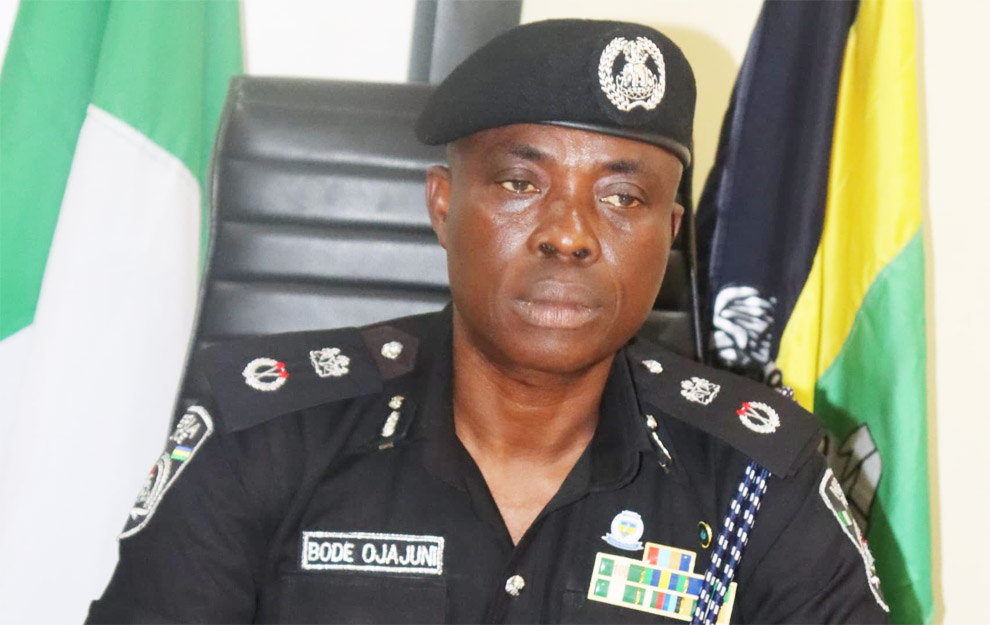
The Commissioner of Police in Ogun State, Bode Ojajuni, commended the investigating officers for their persistence and professionalism, which he said had led to a breakthrough in the case.
Ojajuni reiterated the command’s commitment to investigating serious crimes thoroughly, ensuring accountability and bringing suspects before the courts in accordance with the law.
The police said the suspect would be charged to court upon the conclusion of the investigation.
The command also urged residents to resolve disputes through lawful means and promptly report criminal activities to the appropriate authorities.
The arrest comes amid renewed calls for thorough investigations into violent crimes and timely justice for victims and their families.
Police Arrest Suspect Eight Months After Retired Teacher’s Killing in Ogun
metro
MURIC petitions Oyo police over 2019 murder of Muslim cleric in Fiditi

MURIC petitions Oyo police over 2019 murder of Muslim cleric in Fiditi
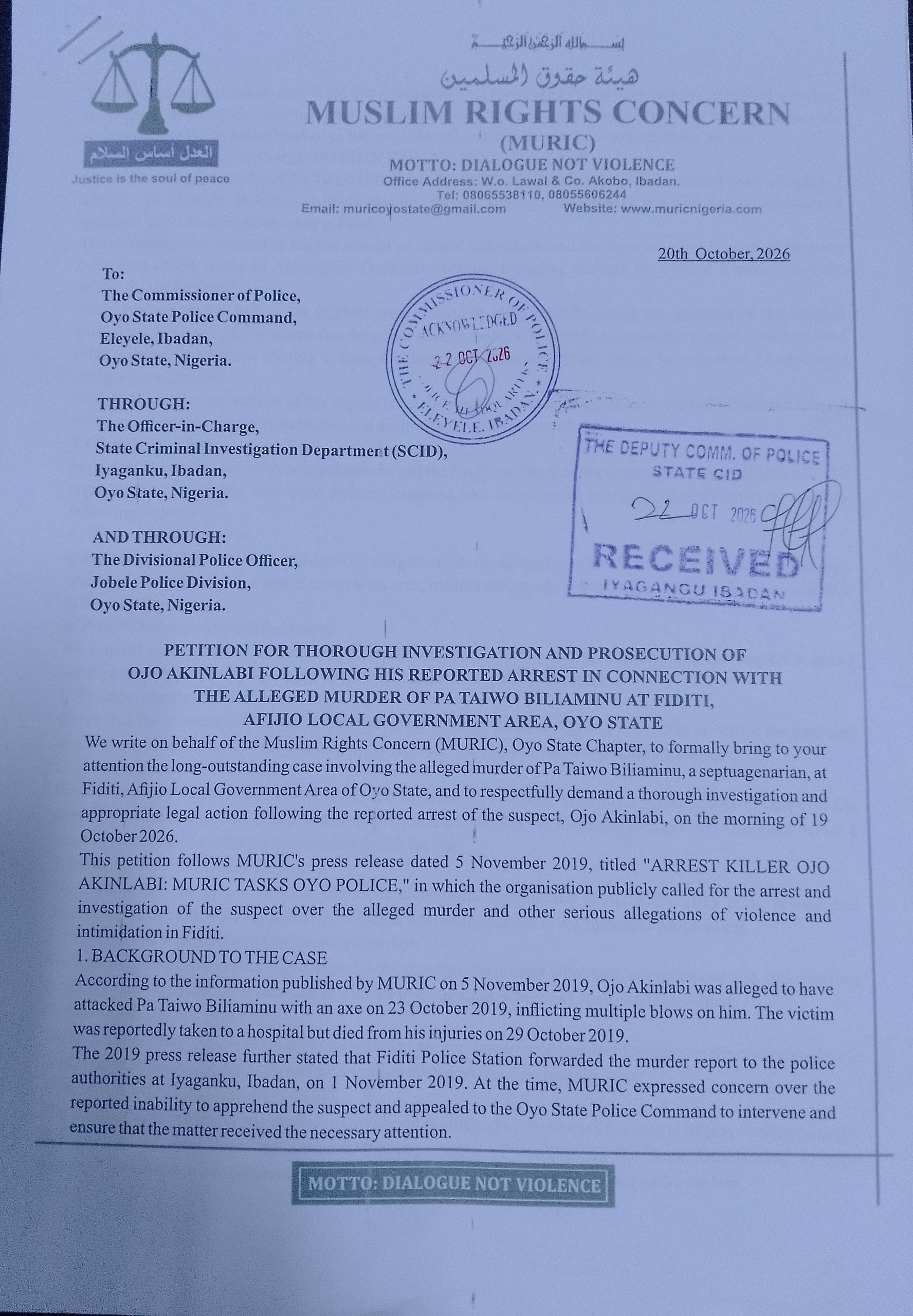
The Muslim Rights Concern (MURIC), Oyo State Chapter, has petitioned the state Commissioner of Police, demanding a thorough investigation into the alleged murder of Pa Biliaminu Taiwo in Fiditi, Afijio Local Government Area of Oyo State, in November 2019.
The organisation also called for appropriate legal action against Ojo Akinlabi, following his reported arrest in connection with the killing.
In a press release dated October 23, 2026, MURIC said the petition was submitted to the Commissioner of Police on October 22 and acknowledged by the commissioner and the Deputy Commissioner of Police in charge of the State Criminal Investigation Department (SCID), Iyaganku, Ibadan.
According to the organisation, Pa Taiwo was allegedly hacked to death inside a mosque in Fiditi in November 2019.
MURIC urged the police to conduct a comprehensive investigation into the case and ensure that anyone found culpable was prosecuted in accordance with the law.
The group also called on the authorities to ensure that the case was handled in a manner that would prevent justice from being frustrated.
“Murder is not a bailable offence,” the organisation said, urging the police to ensure that the suspect was brought before a court of competent jurisdiction and that any decision concerning his custody or release complied with the law.
MURIC further alleged that Akinlabi had a history of violent attacks, including incidents involving the use of knives allegedly coated with poison. However, the organisation did not provide supporting details of the alleged incidents in the statement.
The group described the allegations as a matter of concern and called for appropriate action by the relevant authorities.
Reaffirming its commitment to the protection of human rights and the rule of law, MURIC said allegations of criminal conduct should receive the attention of law enforcement agencies and be subjected to due process.
The statement was signed by Mallam Ibrahim Agunbiade, Secretary of MURIC in Oyo State.
The organisation concluded its appeal with the declaration: “Justice delayed must not become justice denied.”
As of the time of the statement, MURIC had not provided further details about the circumstances surrounding the reported arrest or the current status of the police investigation. The allegations against Akinlabi have not been independently verified, and any determination of criminal responsibility remains a matter for the courts.
MURIC petitions Oyo police over 2019 murder of Muslim cleric in Fiditi
metro
Police Arrest Man Over Fake Presidency Number Plate in Abuja
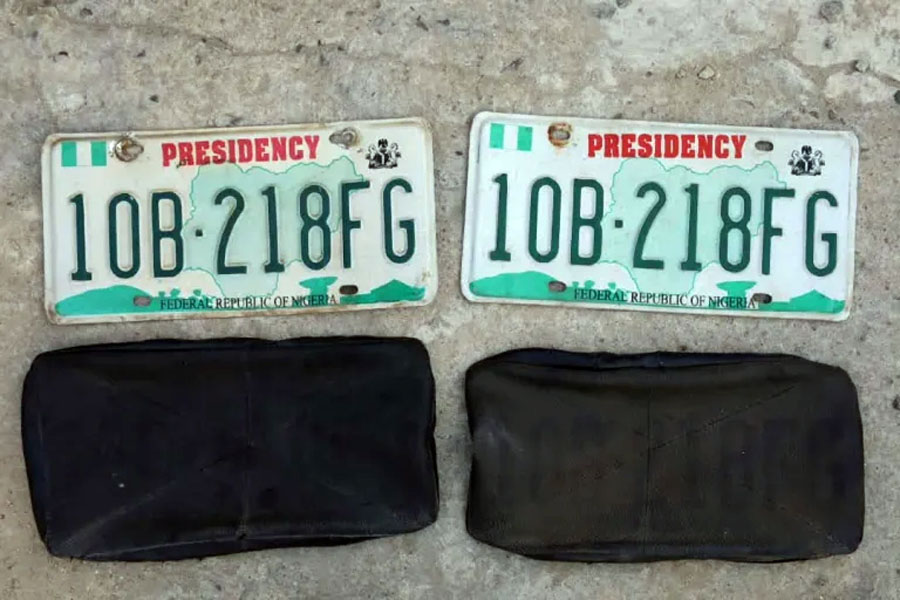
ABUJA — The Federal Capital Territory (FCT) Police Command has arrested a man accused of impersonating a permanent secretary in the Office of the Secretary to the Government of the Federation (SGF) after he was allegedly caught using a forged number plate bearing the inscription “PRESIDENCY”.
The suspect was arrested on October 20, 2026, after police operatives intercepted a Lexus LX570 sports utility vehicle (SUV) in Maitama District, Abuja, at about 8pm.
According to the police, the concealed number plate carried the registration number 10B218 FG.
The command’s spokesperson, SP Josephine Adeh, disclosed that preliminary investigations revealed that the documents presented to support the registration were allegedly forged.
READ ALSO:
- Shettima Blasts States Over Power Woes, Says Govs Must Stop Waiting for Abuja
- Fourth Gas Leak in Six Months: Over 100 Ogun Pupils Hospitalised, Schools Shut as Parents Panic
- Nigerian Journalist Sentenced to 4 Years Over Facebook Post Criticising Police
Adeh said the suspect had claimed to be the legitimate holder of the number plate, prompting further investigations that reportedly uncovered the alleged fraud and impersonation.
“The vehicle and its occupant were promptly arrested for investigation and subsequent prosecution,” the police said.
The command added that investigations were ongoing and that the suspect would be charged to court upon their conclusion.
The police urged residents to remain law-abiding, cooperate with security operatives and report suspicious activities to the nearest police station.
The arrest comes amid concerns over the unauthorised use of official government and diplomatic number plates in the FCT. Police authorities have previously raised concerns that such plates could be used by unauthorised individuals to evade scrutiny or facilitate criminal activities.
The suspect’s identity has not been publicly disclosed, and the allegations remain subject to the outcome of the police investigation and any subsequent court proceedings.
Police Arrest Man Over Fake Presidency Number Plate in Abuja
-

 metro3 days ago
Atiku: US Lobbying Firm Raises Alarm Over Alleged Assassination Plot
-

 metro3 days ago
‘We Don’t Know What Else to Do’ — Mother Begs for Release of Abducted Children
-

 metro3 days ago
Five Arraigned Over Kidnapping of 20 Prospective NYSC Members in Imo
-

 Auto2 days ago
Hyundai Unveils Mufasa, Grand Creta SUVs to Strengthen Nigeria Line-up (Updated)
-

 Auto3 days ago
Happening now: Hyundai unveiling of Mufasa and Grand Creta
-

 Education2 days ago
NELFUND Warns Schools: Student Loans Are Voluntary, Not Compulsory
-

 Auto3 days ago
No 5% Petrol Tax Plan, Oyedele Says, Amid Public Concerns
-

 News3 days ago
Mexico Clears Reno Omokri as Nigeria’s Ambassador After Eight-Month Wait