

metro
Benue Kidnapping: JAMB Insists Victims Are Not UTME Candidates
Benue Kidnapping: JAMB Insists Victims Are Not UTME Candidates
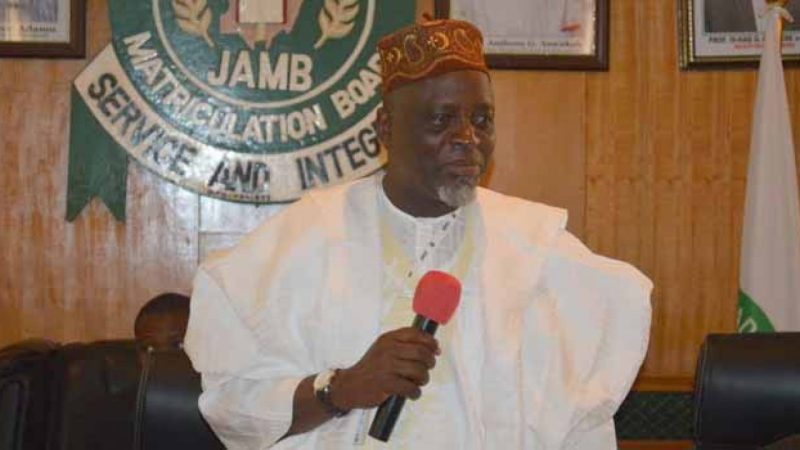
The Joint Admissions and Matriculation Board has dismissed reports linking victims of a recent kidnapping incident in Benue State to the ongoing 2026 Unified Tertiary Matriculation Examination (UTME), insisting that none of the abducted persons were examination candidates.
In a statement issued by its spokesperson, Fabian Benjamin, the Board said its findings confirmed that the victims were participants in a police recruitment exercise who had travelled to Makurdi and were returning to Otukpo when they were attacked along the highway.
JAMB stressed that the claims circulating in public space suggesting that the victims were UTME candidates were false and not supported by its official records or verification process.
READ ALSO:
- Man City Beat Arsenal 2–1 to Ignite Premier League Title Race
- University Workers’ Union Gives FG Ultimatum Over Failed Renegotiation
- UTME 2026: Gov Alia Seeks Exam Reschedule for Alleged Kidnapped Candidates
The Board further explained that UTME candidates are usually assigned to designated examination centres within their locations and do not travel in groups across long distances during the examination period, making the reported scenario inconsistent with standard UTME arrangements.
The clarification follows a kidnapping incident along the Makurdi–Otukpo road in Benue State, where passengers in a commercial vehicle were abducted by armed men before being rescued after several days of search-and-rescue operations by security agencies.
Initial reports had suggested that some of the victims were writing the UTME, sparking confusion and reactions from stakeholders, including state authorities and the public.
Security agencies are continuing investigations into the attack, with efforts focused on identifying the perpetrators and dismantling kidnapping networks operating along major routes in Benue State.
Authorities have also intensified security operations in the area amid rising concerns over repeated cases of abduction targeting commuters and travellers.
Benue Kidnapping: JAMB Insists Victims Are Not UTME Candidates





metro
Shettima Blasts States Over Power Woes, Says Govs Must Stop Waiting for Abuja
Shettima Blasts States Over Power Woes, Says Govs Must Stop Waiting for Abuja
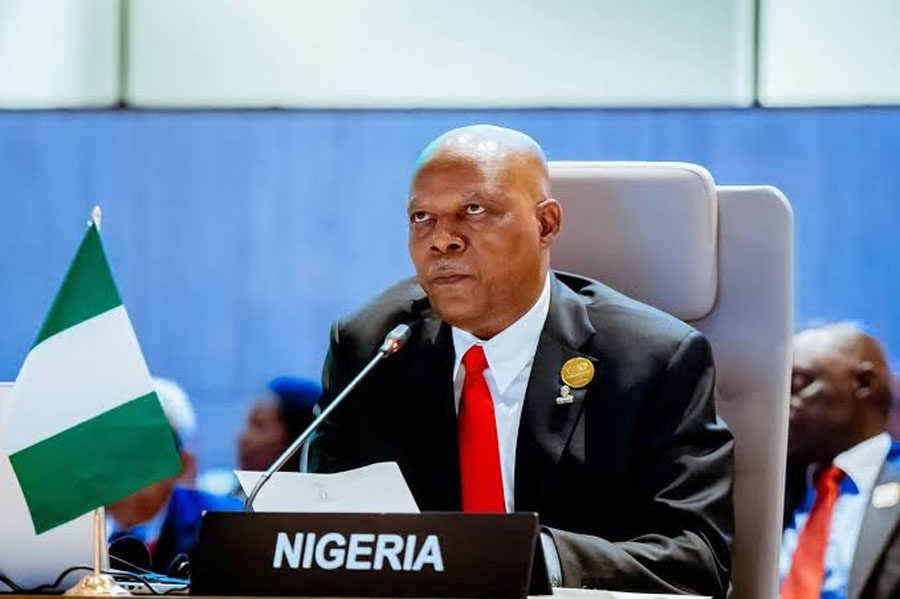
Vice-President Kashim Shettima has challenged state governments to take responsibility for addressing electricity problems in their jurisdictions, urging them to stop depending on the Federal Government for solutions and establish functional power markets.
Shettima made the call on Wednesday while declaring open the National Stakeholders’ Workshop on the Electricity Act 2023 at the State House Banquet Hall, Presidential Villa, Abuja.
Represented by the Deputy Chief of Staff to the President, Senator Ibrahim Hadejia, the Vice-President said Nigeria’s ambition to build a competitive industrial economy would remain constrained unless electricity reforms delivered reliable power to businesses, households and public institutions.
He said the Electricity Act 2023 had created an opportunity for states to decentralise electricity governance and develop power markets that reflect their economic needs and available energy resources.
“Electricity supply must become a shared responsibility, pursued with innovation and accountability across the Federation. Our States must shed the habit of waiting for Abuja to provide every answer,” he said.
Shettima identified the country’s diverse energy resources as an opportunity for states to expand electricity access and attract investment. He cited the solar energy potential of Sokoto, Borno and Katsina states, the gas resources of Delta, Rivers and Bayelsa states, and the hydroelectric opportunities in Niger and Kebbi states.
READ ALSO:
- Fourth Gas Leak in Six Months: Over 100 Ogun Pupils Hospitalised, Schools Shut as Parents Panic
- Nigerian Journalist Sentenced to 4 Years Over Facebook Post Criticising Police
- Hyundai Unveils Mufasa, Grand Creta SUVs to Strengthen Nigeria Line-up (Updated)
He urged governors to harness these resources to support agriculture, manufacturing, healthcare, education and other economic activities.
The Vice-President also warned that passing laws alone would not improve electricity supply, insisting that states must establish the institutions needed to regulate and manage their electricity markets effectively.
“Legislation cannot implement itself. States yet to act must begin their legislative and institutional preparations promptly. They need to establish functional electricity regulatory bodies with technical competence and capacity,” he said.
To accelerate implementation, Shettima proposed a voluntary National Electricity Reform Peer Review and Implementation Framework involving the Nigerian Electricity Regulatory Commission (NERC), the Federal Ministry of Power, the Nigeria Governors’ Forum and state electricity regulators.
The proposed framework would allow states to exchange experiences, strengthen regulatory capacity and assess their progress in electricity market development, investment readiness, consumer protection and access to electricity.
He said periodic reviews would help identify implementation challenges, encourage technical assistance and enable states to learn from jurisdictions that had made progress, without undermining their constitutional powers.
Shettima further stressed that government funding alone could not finance the transformation required in the electricity sector, calling for greater participation by private investors.
He said transparent licensing procedures, predictable regulations, commercially viable electricity markets, investment safeguards and credible dispute-resolution mechanisms would help build investor confidence.
The Vice-President also called for stronger consumer protection, warning against arbitrary billing, poor service delivery and unfair commercial practices. He maintained that electricity operators must be held accountable for the quality of service provided to consumers.
“The final verdict on this law will be delivered wherever a Nigerian reaches for a switch,” he said, stressing that the success of the reforms should ultimately be measured by improvements in electricity supply and the daily lives of Nigerians.
Meanwhile, the Director-General of the Nigeria Governors’ Forum, Abdulateef Shittu, said the forum was working on a standard tariff framework for state electricity markets, with the aim of protecting consumers while encouraging investment.
The Head of Compliance at NERC, Hauwa Yakubu, disclosed that the commission had issued regulatory transfers to 17 states, allowing them to assume regulatory responsibilities for electricity markets within their territories.
She said the commission was supporting emerging state regulators through technical engagement and peer-to-peer training.
Signed into law by President Bola Ahmed Tinubu in June 2023, the Electricity Act 2023 provides a framework for states to regulate electricity generation, transmission and distribution within their jurisdictions, subject to the applicable constitutional and statutory provisions. The national regulator retains oversight of electricity matters that fall within federal jurisdiction.
The law is expected to encourage competition, attract investment and expand electricity access. However, its impact will depend on effective implementation, functioning regulatory institutions and the ability of state governments to develop sustainable electricity markets.
Shettima Blasts States Over Power Woes, Says Govs Must Stop Waiting for Abuja
metro
Fourth Gas Leak in Six Months: Over 100 Ogun Pupils Hospitalised, Schools Shut as Parents Panic
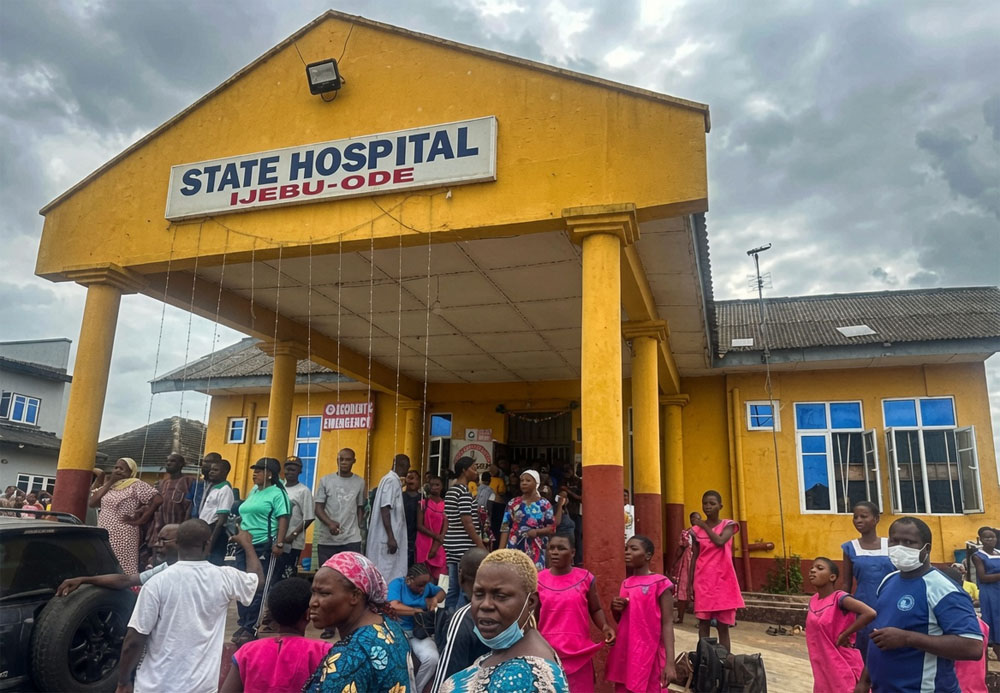
Fourth Gas Leak in Six Months: Over 100 Ogun Pupils Hospitalised, Schools Shut as Parents Panic
metro
Nigerian Journalist Sentenced to 4 Years Over Facebook Post Criticising Police

Nigerian Journalist Farida Isiak Sentenced to 4 Years Over Facebook Post Criticising Police
Amnesty International has demanded the immediate release of a 23-year-old Nigerian journalist sentenced to four years in prison — or a fine of ₦1.75 million — over a Facebook post criticising police in Kaduna State, describing the case as a “travesty of justice” and a weaponisation of the courts to silence free speech.
The case of Farida Isiak, a reporter with Nagarta Radio in Kaduna, began not with journalism but with a minor neighbourhood quarrel. According to Amnesty International, a dispute broke out between Isiak’s mother and a neighbour over ₦100 in change from a charcoal sale. Police reportedly arrested Isiak’s mother — and then detained her father when he went to the station to secure her release. Amnesty says the couple’s detention was used as leverage to pressure Isiak to report to the police station. When she arrived, officers accused her of defaming the police in a Facebook post in which she had criticised their treatment of her parents. Isiak deleted the post and apologised, according to Amnesty. Despite that, she was taken before a Sharia Court in Kawo, where she was convicted of defamation and sentenced to four years’ imprisonment or a ₦1.75 million fine.
READ ALSO:
- NAFDAC Busts Illegal Herbal Factory in Lagos, Arrests Manager Over Fake Registration Number
- NELFUND Warns Schools: Student Loans Are Voluntary, Not Compulsory
- ‘I Never Asked Them to Abandon Loved Ones’ — Obi Clarifies Diaspora Remarks
The human rights organisation did not mince words. Amnesty International described the proceedings as a “sham” and a “travesty of justice,” arguing that the arrest, detention and hasty sentencing amounted to “a flagrant abuse of power by the police and weaponization of the judicial system to silence free speech and intimidate journalists.” The organisation has called on the Kaduna State Police Command and Nigerian judicial authorities to immediately release Isiak, on authorities to drop all charges and cancel the fine, and on the Nigeria Police Force to launch an independent investigation into the officers involved.
The case has reignited concerns about press freedom in Nigeria and the use of criminal defamation-type proceedings against journalists and citizens alike. Critics argue that using detention of family members as leverage — and fast-tracking a case through court within days — sets a chilling precedent for free speech online. It is important to note that the account above is drawn largely from Amnesty International’s statements and reporting. As of publication, the Kaduna State Police and the court had not offered substantive public responses to the specific allegations in the available reporting, and the case may yet be subject to appeal or review.
A young journalist’s Facebook post criticising police has cost her four years of liberty — or a fine she may struggle to pay. Whether Nigerian authorities respond to Amnesty’s demands will be a test of the country’s commitment to freedom of expression and the protection of journalists.
Nigerian Journalist Farida Isiak Sentenced to 4 Years Over Facebook Post Criticising Police
-

 metro2 days ago
Army Major, Soldiers Killed in ISWAP Ambush in Yobe State
-
 metro1 day ago
Atiku: US Lobbying Firm Raises Alarm Over Alleged Assassination Plot
-
 metro2 days ago
Breaking: Afenifere Leader Pa Fasoranti Dies at 100
-

 metro1 day ago
‘We Don’t Know What Else to Do’ — Mother Begs for Release of Abducted Children
-

 metro22 hours ago
Five Arraigned Over Kidnapping of 20 Prospective NYSC Members in Imo
-

 metro2 days ago
‘I Never Asked Them to Abandon Loved Ones’ — Obi Clarifies Diaspora Remarks
-

 Auto1 day ago
Beyond the Showroom: Why After-Sales Service Will Define Auto Industry Winners
-
 News23 hours ago
Mexico Clears Reno Omokri as Nigeria’s Ambassador After Eight-Month Wait