
News
Canada Deports 366 Nigerians in 10 Months as Immigration Crackdown Intensifies

Canada Deports 366 Nigerians in 10 Months as Immigration Crackdown Intensifies
Canada deported 366 Nigerian nationals between January and October 2025 as immigration enforcement intensified to levels not seen in more than a decade, according to official data from the Canada Border Services Agency (CBSA).
The data, last updated on November 25, 2025, also show that 974 Nigerians are currently listed under “removal in progress,” meaning they are awaiting deportation. With these figures, Nigeria ranked ninth among the top 10 nationalities deported from Canada in 2025 and fifth among countries with the highest number of pending removals.
Historical CBSA records indicate fluctuating deportation trends for Nigerians. In 2019, Canada removed 339 Nigerians, a figure that fell to 302 in 2020, 242 in 2021, and 199 in 2022. Nigeria did not feature among the top 10 deported nationalities in 2023 and 2024, but returned to the list in 2025, with 366 deportations recorded within 10 months—an eight per cent increase compared with 2019.
The deportations are occurring amid a broader Canadian immigration crackdown, with the CBSA now removing nearly 400 foreign nationals every week, the highest weekly rate in over a decade. During the 2024–2025 fiscal year, Canada deported 18,048 individuals, spending an estimated $78 million on removals.
Under the Immigration and Refugee Protection Act, the CBSA is legally required to remove foreign nationals subject to enforceable removal orders. Grounds for removal include security concerns, criminal activity, organised crime, human or international rights violations, health or financial reasons, misrepresentation, and non-compliance with immigration laws.
CBSA data show that failed refugee claimants account for about 83 per cent of all removals, while criminality-related cases make up roughly four per cent.
READ ALSO:
- FG Targets Reliable, Sustainable Power Supply in 2026 — Adelabu
- NNPP Dissolves Kano Party Structures as Abba Yusuf Set to Join APC
- AFCON 2025: Mozambique President Promises ₦11.3m Bonus to Beat Super Eagles
Canadian law recognises three types of removal orders: departure orders, requiring exit within 30 days; exclusion orders, barring re-entry for one to five years; and deportation orders, which permanently prohibit return without special authorisation.
The Canadian government says the intensified enforcement is aimed at meeting tighter immigration targets and addressing challenges such as housing shortages, labour market pressure, and border security. Ottawa has allocated an additional $30.5 million over three years for removals, alongside a $1.3 billion investment to strengthen border security.
Meanwhile, the President of the Canadian Association of Refugee Lawyers, Aisling Bondy, warned that deportations could rise further if Bill C-12, known as the border bill, is passed.
“One of the clauses in that bill is that a lot of people will be permanently banned from filing a refugee claim in Canada,” she said.
An analysis of CBSA figures shows that Nigeria is the only African country listed among the top 10 deported nationalities in 2025. Other African countries are grouped under “remaining nationals,” which together accounted for 6,233 removals during the year.
The top 10 countries for deportations in 2025 are Mexico (3,972), India (2,831), Haiti (2,012), Colombia (737), Romania (672), United States (656), Venezuela (562), China (385), Nigeria (366), and Pakistan (359).
A similar trend appears in the removal-in-progress list, where Nigeria, with 974 pending cases, is again the only African country in the top 10. India leads with 6,515 cases, followed by Mexico (4,650), United States (1,704), China (1,430), Nigeria (974), Colombia (895), Pakistan (863), Haiti (741), Brazil (650), and Chile (621).
Despite the rising deportations, Canada remains a top destination for Nigerians seeking better economic and educational opportunities. The 2021 Canadian census showed that over 40,000 Nigerians migrated to Canada between 2016 and 2021, making them the largest African immigrant group and the fifth-largest recent immigrant population.
Further figures from Immigration, Refugees and Citizenship Canada (IRCC) reveal that 6,600 Nigerians became new permanent residents in the first four months of 2024, ranking fourth after India, the Philippines, and China. Between 2005 and 2024, a total of 71,459 Nigerians acquired Canadian citizenship, placing Nigeria 10th globally.
Canada’s ageing population and persistent labour shortages continue to attract skilled Nigerian professionals and students, even as immigration enforcement tightens.
Canada Deports 366 Nigerians in 10 Months as Immigration Crackdown Intensifies










News
Shariah Council Tells US No Foreign Power Can Force Nigerian Muslims to Abandon Shariah
Shariah Council Tells US No Foreign Power Can Force Nigerian Muslims to Abandon Shariah
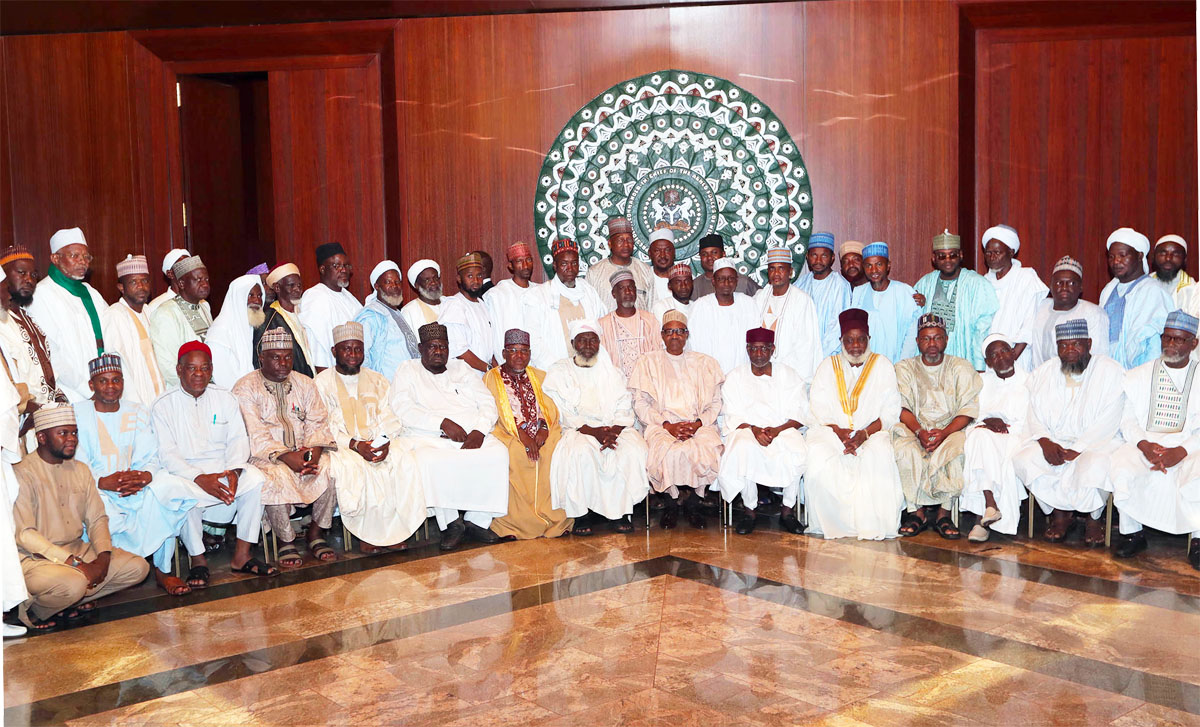
The Supreme Council for Shariah in Nigeria (SCSN) has declared that the practice of Shariah in Nigeria is divinely mandated, constitutionally protected, and central to Muslim life, warning that no foreign power can compel Nigerian Muslims to abandon it. The council’s statement was issued in response to a recent report by United States lawmakers, including Riley Moore and Chris Smith, who investigated alleged persecution of Christians in Nigeria and recommended the repeal of Shariah and blasphemy laws, the creation of a US–Nigeria security pact, and penalties or visa restrictions for alleged violators of religious freedom.
In a statement, the council’s Secretary‑General, Nafiu Baba Ahmad, said the US report mischaracterized Nigeria as a site of “Christian genocide” and unfairly challenged the rights of Nigerian Muslims to practice their faith. “Shariah constitutes a comprehensive way of life for Muslims, encompassing spiritual, moral, social, and legal dimensions. It is the divinely ordained framework through which Muslims regulate their personal and communal affairs,” the council said, emphasising that Shariah courts operate legally within the country’s constitutional provisions.
READ ALSO:
- FCCPC Finds Evidence of Airfare Manipulation by Domestic Airlines
- US Lawmaker Says Christians in Nigeria Bear Brunt of Violence, Calls on Trump to Act
- Eric Chelle Explains $130,000 Salary Proposal, Reaffirms Loyalty to Super Eagles
The SCSN stressed that any attempt to criminalize, delegitimize, or externally dictate Shariah practice would threaten Nigeria’s sovereignty and religious freedom. The council also cautioned that simplistic narratives could inflame tensions, deepen mistrust, and undermine peaceful coexistence between Muslims and Christians. It further rejected the “Christian genocide” narrative, stating that Nigeria’s security challenges — including terrorism, banditry, organised crime, and governance issues — affect people of all faiths.
“The council unequivocally condemns all killings across Nigeria, mourns every innocent life lost, and rejects politicisation of human suffering,” the statement said, urging authorities to take decisive action to end insecurity and restore public confidence through justice and accountability.
As Muslims observe Ramadan, the SCSN called on the Ummah to intensify prayers, remain law-abiding, and continue to live peacefully with all Nigerians. “Nigeria belongs to all of us. Our faith is not negotiable, our Constitution is clear, and our sovereignty must be respected by other nations and protected by our government,” the council added.
The Nigerian government has separately maintained that the nation’s ongoing security crisis is rooted in complex threats such as terrorism and communal conflicts rather than policies of religious bias, reiterating its commitment to protecting the rights of Christians, Muslims, and adherents of other faiths. Observers say the exchange underscores the sensitivity of discussions around Shariah, religious freedom, and sovereignty in a diverse nation like Nigeria, where debates over legal systems, constitutional rights, and security often intersect.
Shariah Council Tells US No Foreign Power Can Force Nigerian Muslims to Abandon Shariah
News
US Lawmaker Says Christians in Nigeria Bear Brunt of Violence, Calls on Trump to Act
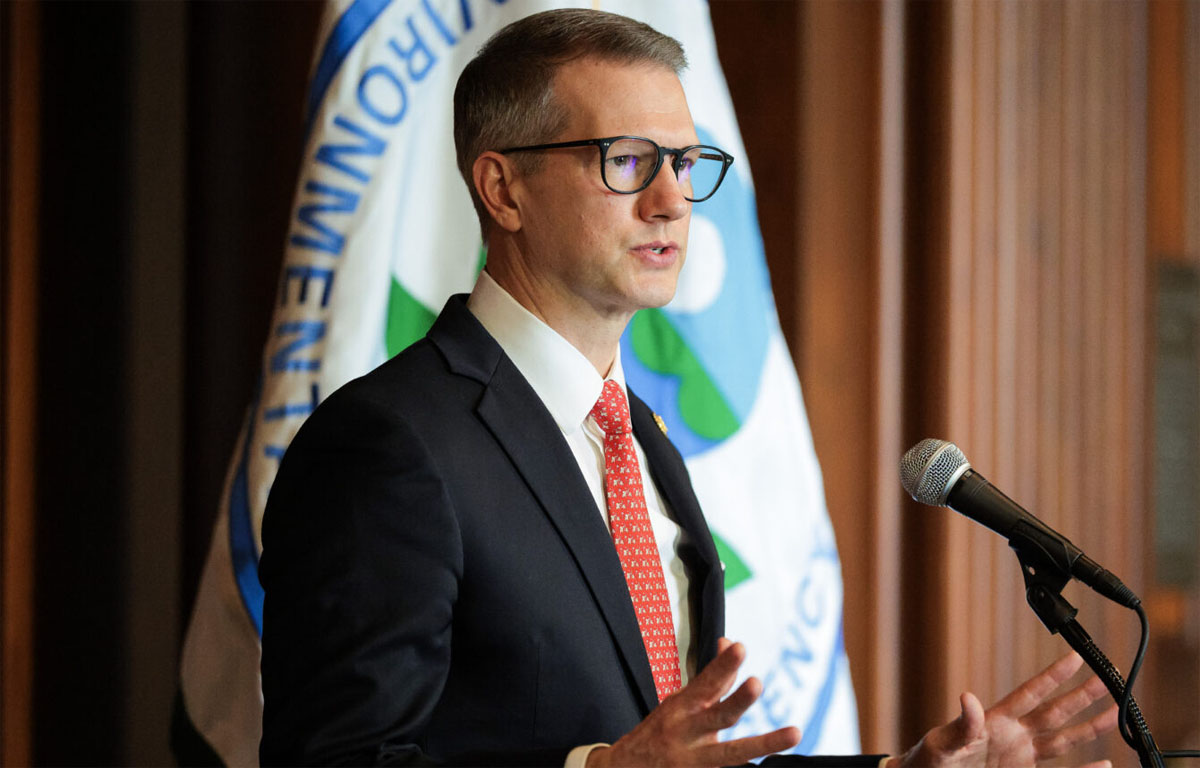
US Lawmaker Says Christians in Nigeria Bear Brunt of Violence, Calls on Trump to Act
A member of the United States Congress, Riley Moore, has said that Christians in Nigeria have suffered disproportionately in the country’s prolonged cycle of violent attacks, urging former U.S. President Donald Trump to take decisive action and pursue stronger U.S.–Nigeria relations conditions to address the crisis.
Moore spoke publicly about what he described as escalating insecurity in Nigeria, asserting that while violence affects people of all faiths, Christian communities are uniquely targeted. “Violence and insecurity in Nigeria affects people of all faiths, but Christians bear the overwhelming brunt of the attacks and have suffered in silence for two decades,” he said, noting that Christians are “five times more likely to be killed than any other religious group.”
In his address, Moore alleged that Fulani militias and terrorist groups frequently attack villages, kill pastors and priests, and burn schools and churches, often on holy days. He claimed these groups have killed tens of thousands of Nigerians over many years and stressed that such patterns amount to persecution of Christians in Nigeria’s Middle Belt and northern regions.
Moore commended Trump’s global stance on defending persecuted Christians, calling it “a once-in-a-generation opportunity” to strengthen cooperation between the United States and Nigeria on security and humanitarian fronts. He said that heightened U.S. engagement could help counter ongoing violence while deepening bilateral ties.
READ ALSO:
- Eric Chelle Explains $130,000 Salary Proposal, Reaffirms Loyalty to Super Eagles
- Suspected Arsonists Set St. Mary’s Catholic Church Ablaze in Cross River
- Kano Anti-Corruption Commission Recovers Official Vehicles From Resigned Commissioners
Although Moore acknowledged that the Bola Tinubu government needs support to tackle security challenges, he urged the Nigerian administration to demonstrate “political will” in protecting vulnerable communities. According to the lawmaker, future U.S.–Nigeria agreements should be contingent on measurable commitments by Abuja, including co-funding targeted humanitarian assistance, implementing early-warning systems for attacks, and deploying trained security forces to prevent violence.
Moore also urged authorities to remove armed Fulani militias from confiscated farmlands and enable displaced families to return home voluntarily. “But critically, all of this must be contingent upon the Nigerian government providing proof of progress that it is, in fact, working to stabilize the country and protect Christians,” he said.
The congressman went further to advocate for sanctions, visa restrictions and trade leverage against individuals believed to be involved in or complicit with violence against Christians. “America has a right to control who enters our country and when. We should certainly reject anyone who is attacking our brothers and sisters in Christ,” Moore said.
Moore also singled out armed herder violence, claiming that Fulani militias are “more responsible than any other group, including Boko Haram and ISWAP,” for attacks on Christian communities.
Moore’s remarks come amid growing concerns from faith-based organizations, human rights groups, and international observers, which have documented widespread violence affecting communities across Nigeria. These groups have reported mass killings, village raids, church burnings, and forced displacement, particularly in rural areas of central and northern Nigeria.
However, Nigerian officials have repeatedly stated that the country’s insecurity is driven by a complex mix of banditry, terrorism, and communal conflicts, and not primarily by religious persecution. Authorities maintain their commitment to protecting all citizens regardless of faith, and have deployed military operations, joint security task forces, and community policing efforts in affected regions.
Moore’s intervention is likely to fuel further debate in Washington over U.S. foreign policy toward Nigeria, especially as lawmakers consider new strategies for supporting peacebuilding, humanitarian relief, and conflict resolution in West Africa. The United States remains a key partner to Nigeria, and any shift in diplomatic conditions or sanctions policies could have wide-ranging implications for cooperation on security, development, and democratic governance.
US Lawmaker Says Christians in Nigeria Bear Brunt of Violence, Calls on Trump to Act
News
2027 Elections: INEC Unveils New January, February Poll Dates
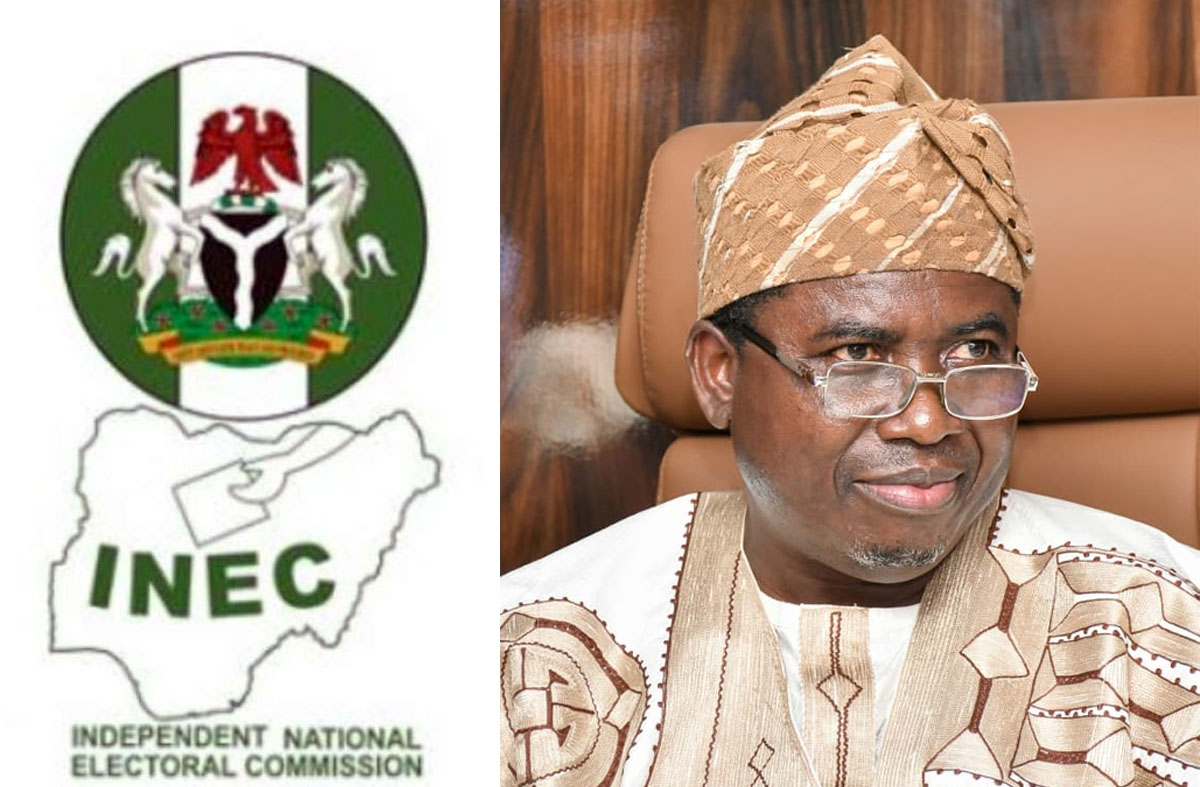
2027 Elections: INEC Unveils New January, February Poll Dates
The Independent National Electoral Commission (INEC ) has officially revised the timetable for the 2027 general elections, shifting the Presidential and National Assembly elections to January and the Governorship and State Houses of Assembly polls to February.
The decision was announced in a statement issued on Wednesday by Mohammed Kudu Haruna, National Commissioner and Chairman of INEC’s Information and Voter Education Committee, following adjustments to Nigeria’s electoral legal framework.
INEC explained that the revision became necessary after the repeal of the Electoral Act, 2022 and the subsequent enactment of the Electoral Act, 2026, which introduced new statutory timelines for pre-election and election activities.
Under the previous schedule released in line with the Electoral Act, 2022, the Presidential and National Assembly elections were fixed for Saturday, February 20, 2027, while the Governorship and State Houses of Assembly elections were slated for Saturday, March 6, 2027.
However, the commission said a comprehensive review of the timetable showed that compliance with the new law required an adjustment of election dates and related activities.
“Following the repeal of the Electoral Act, 2022, and the enactment of the Electoral Act, 2026, which introduced adjustments to statutory timelines governing pre-election and electoral activities, the Commission has reviewed and realigned the schedule to ensure full compliance with the new legal framework,” the statement said.
According to the revised timetable, Presidential and National Assembly elections will now hold on Saturday, January 16, 2027, while Governorship and State Houses of Assembly elections are scheduled for Saturday, February 6, 2027.
READ ALSO:
- Edo Police Arrest 113 Suspected Kidnappers in Major Overnight Raids
- Police Arrest Six Fake Pastors Over Staged Miracles in Ondo
- Labour Unions Barricade NAFDAC Lagos Office Over Sachet Alcohol Ban
INEC noted that the adjustment makes the 2027 polls the earliest general elections in Nigeria’s post-1999 democratic history, a shift aimed at improving logistics, election planning, and legal compliance.
Key Timelines and Campaign Schedule
In the updated schedule of activities, INEC outlined several critical benchmarks ahead of the elections.
The commission announced that party primaries, including the resolution of disputes arising from them, will commence on April 23, 2026, and end on May 30, 2026.
INEC also fixed the start of campaign activities, stating that Presidential and National Assembly campaigns will begin on August 19, 2026, while Governorship and State Houses of Assembly campaigns will commence on September 9, 2026.
The commission warned political parties to strictly adhere to campaign timelines, stressing that all political activities must stop 24 hours before election day, in line with the law.
“As provided by law, campaigns shall end 24 hours before Election Day. Political parties are strongly advised to adhere strictly to these timelines. The Commission will enforce compliance with the law,” INEC said.
Osun, Ekiti Elections Adjusted
INEC also announced a minor adjustment to the governorship election in Osun State, moving the poll from Saturday, August 8, 2026, to Saturday, August 15, 2026.
The commission clarified that while some electoral activities for the governorship elections in Ekiti State and Osun had already taken place, all remaining processes would strictly comply with the provisions of the Electoral Act, 2026.
INEC emphasized that the revised timetable aligns with both the Electoral Act, 2026 and the 1999 Constitution of the Federal Republic of Nigeria (as amended).
“The successful conduct of the forthcoming elections remains a collective responsibility,” the commission stated, urging political parties, security agencies, civil society organisations, the media, and voters to work together to ensure peaceful, inclusive, and credible elections that reflect the will of the Nigerian people.
2027 Elections: INEC Unveils New January, February Poll Dates

-

 Entertainment2 days ago
Nollywood Actor Okemesi Confirmed Dead After Brief Illness
-
 News3 days ago
BREAKING: IGP Kayode Egbetokun Steps Down as Tinubu Names Tunji Disu as New Police Chief
-

 metro2 days ago
Frank Mba, Senior DIGs to Exit Police Service After Disu’s Appointment
-

 metro2 days ago
African Virologists Elected to Lead World Society for Virology
-
 News2 days ago
BREAKING: Tinubu Decorates Tunji Disu as Acting Inspector‑General of Police
-
 News3 days ago
Mother of Three Dies by Suicide After Fiance’s Family Rejects Marriage in Ijebu-Ode
-

 metro2 days ago
Abroad-Based Nigerian Woman Kneels with Children in Emotional Tribute to Husband (VIDEO)
-

 News3 days ago
U.S. Congress Submits Report to Trump on Alleged Christian Persecution in Nigeria