

Business
Cooking Gas Hits ₦2,000/kg, HURIWA Warns Tinubu Against ‘Economic Cruelty’ to Nigerians
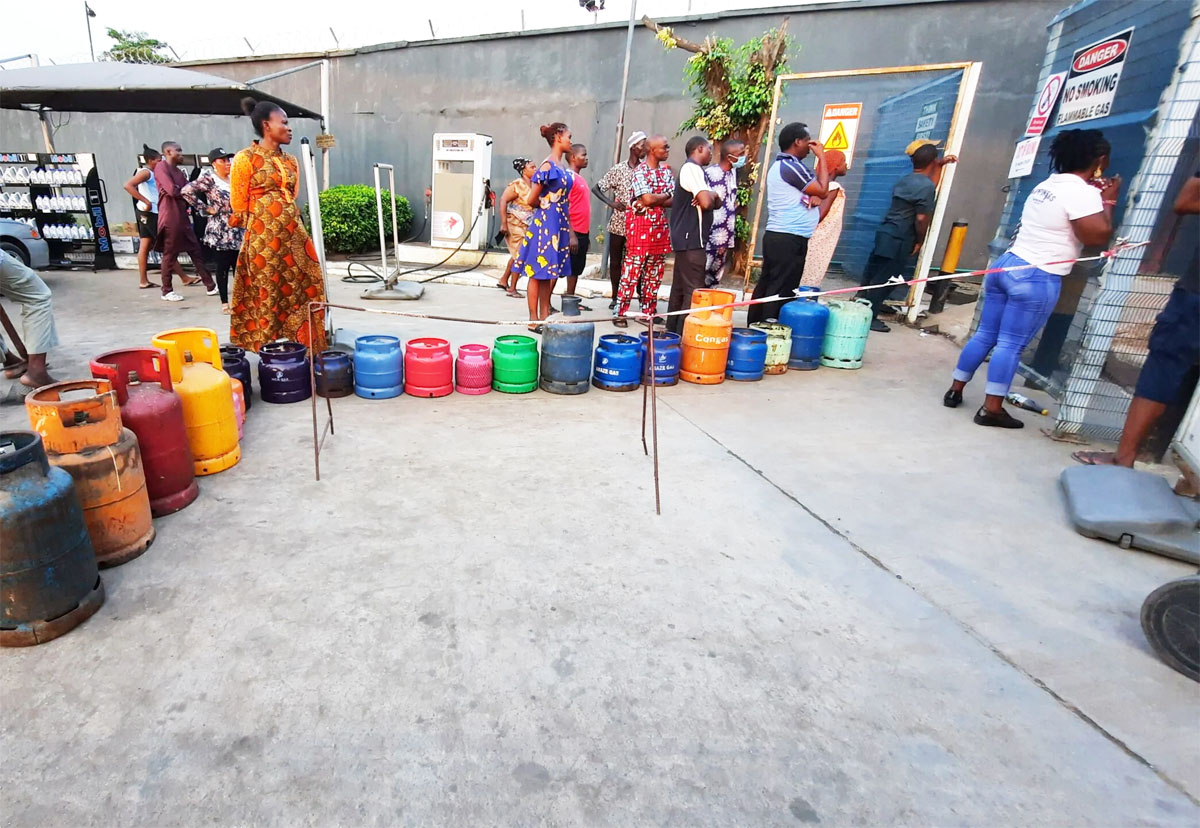
Cooking Gas Hits ₦2,000/kg, HURIWA Warns Tinubu Against ‘Economic Cruelty’ to Nigerians
The Human Rights Writers Association of Nigeria (HURIWA) has raised alarm over the continued rise in cooking gas prices across the country, warning that the cost of Liquefied Petroleum Gas (LPG) reaching ₦2,000 per kilogram in some locations is worsening the hardship faced by millions of Nigerians and threatening their constitutional right to life. In a statement signed by its National Coordinator, Comrade Emmanuel Onwubiko, the rights group expressed concern over reports that cooking gas now sells for as much as ₦2,000 per kilogram in several parts of the country. HURIWA described the development as a reflection of weak market regulation and government inaction, arguing that cooking gas, which remains a basic household necessity, is gradually becoming unaffordable for ordinary Nigerians already battling high food prices, rising transport fares and increasing electricity costs.
HURIWA condemned the sharp rise in cooking gas prices, describing the development as “economic cruelty” and warning that unchecked profiteering is undermining citizens’ constitutional right to life. The group linked the soaring cost of LPG to broader constitutional concerns, citing Chapter IV of the 1999 Constitution and arguing that the right to life includes access to conditions that make survival dignified and sustainable. “The astronomical rise in the price of cooking gas is not merely an economic issue but a fundamental human rights concern. The direct consequence of making essential household energy unaffordable is mass hunger, malnutrition, disease, and avoidable deaths among vulnerable populations,” the statement said. According to HURIWA, families already grappling with high food prices, transportation costs, electricity tariffs and healthcare expenses are increasingly finding it difficult to meet basic needs. The organisation warned that many families are now being forced to make difficult choices between purchasing cooking gas and meeting other essential needs.
Official data from the National Bureau of Statistics (NBS) confirms the steady upward trend in cooking gas prices across the country. According to the NBS Cooking Gas Price Watch for March 2026, the average price for refilling a 5kg cylinder rose by 12.60 percent month-on-month from ₦6,799.18 in February 2026 to ₦7,655.73 in March 2026. The average retail price for refilling a 12.5kg cylinder increased by 15.62 percent month-on-month from ₦16,997.94 in February 2026 to ₦19,652.83 in March 2026. State-level analysis shows significant regional variations. For the 12.5kg cylinder, Nasarawa recorded the highest average retail price at ₦23,418.12, followed by Kaduna at ₦23,030.52 and Akwa Ibom at ₦22,816.74. The lowest average price was recorded in Bauchi at ₦15,738.50. By zonal analysis, the North-West recorded the highest average retail prices for both cylinder sizes.
READ ALSO:
- Pope Leo XIV Mourns as Gunmen Kill Catholic Bishop
- Troops Foil Attempted Kidnap of Pastor, Wife in Plateau
- 2027 Election: Babachir Lawal Tells ADC to Dump Atiku, Questions Ex-VP’s Silence on Insecurity
- Police Arrest ‘Aza Woman’ for Spreading False Kidnap Report on Social Media
The price surge has occurred despite increased domestic LPG production. Data from the Nigerian Midstream and Downstream Petroleum Regulatory Authority (NMDPRA) shows that local refineries and gas processing plants supplied the majority of the country’s LPG needs between April 2025 and April 2026. Domestic LPG supply consistently ranged between 3,300 and 4,500 tonnes per day, reaching 4,500 tonnes daily in both March and April 2026. During the same period, imports dropped sharply from 1,600 tonnes per day in November 2025 to just 200 tonnes per day in March 2026. However, greater domestic production has failed to reduce the financial burden on consumers. Cooking gas, which sold for less than ₦1,000 per kilogramme in many areas only months ago, now sells for around ₦2,000 per kilogramme in some locations.
The Nigerian Association of Liquefied Petroleum Gas Marketers (NALPGAM) has shed light on the challenges driving the price surge. According to the association, marketers currently pay between N25.2 million and N26.2 million for 20 metric tonnes of LPG, depending on location. The National President of NALPGAM, Edu Inyang, and its Executive Secretary, Bassey Essien, aptly described the situation as “sad and rather very pathetic.” NALPGAM warned that the crisis is eroding years of progress made by government policies and public-private campaigns to deepen LPG penetration as a safer alternative to kerosene, firewood, and charcoal. “Millions of Nigerians embraced cooking gas under the national clean energy transition agenda. Those gains are now at risk. Households cannot refill cylinders, small businesses are folding under rising energy costs, and many families are reverting to firewood and charcoal despite serious implications for public health, environmental degradation, and deforestation,” the association said.
READ ALSO:
- Police Arrest ‘Aza Woman’ for Spreading False Kidnap Report on Social Media
- Troops Rescue 360 Abducted Women, Children in Borno
- Joe Igbokwe Denies Attack at Ladipo Market, Blames Hostility on Politics
HURIWA further warned that if cooking gas continues to move beyond the reach of average households, more Nigerians may resort to firewood and charcoal for cooking. It noted that such a shift could increase deforestation, worsen environmental degradation and expose families to health risks associated with smoke inhalation. The scale of the potential health crisis is alarming. According to the Voice of Nigeria, more than 160 million of Nigeria’s estimated 237 million people still lack access to clean cooking solutions. Consequently, millions depend on traditional fuels such as firewood, charcoal, and kerosene for their daily cooking needs. This dependence has devastating health implications. Reports indicate that between 80,000 and 95,000 Nigerians die prematurely every year from illnesses linked to toxic indoor air pollution caused by dirty cooking fuels. Unsafe cooking smoke has become Nigeria’s third-largest silent killer after malaria and HIV/AIDS. Any development that pushes citizens away from cleaner cooking energy should therefore be viewed as a national emergency.
Experts have attributed the surge in cooking gas prices to multiple factors. Mr Opeyemi Alabi, an economist, told the News Agency of Nigeria (NAN) that geopolitical tensions in the Middle East caused by the U.S.-Iran conflict have led to an increase in global Brent crude oil and LPG prices. Additionally, LPG is a globally traded commodity often priced in US Dollars, meaning fluctuations or devaluation of the Naira immediately increase the landing cost of imported gas, which still makes up a large part of Nigeria’s supply despite rising local production. The Petroleum Products Retail Outlets Owners Association of Nigeria (PETROAN) has also decried what it described as the inherent monopoly in the cooking gas value chain in Nigeria, advising the government to break the monopoly and liberalise the market with a view to enabling more operators to manage the market efficiently.
HURIWA called on the administration of President Bola Ahmed Tinubu to urgently investigate the factors driving the increase in cooking gas prices and implement measures aimed at stabilising the market. The group urged relevant regulatory agencies to identify and sanction individuals or companies engaged in exploitative pricing practices, while also advocating targeted interventions and fiscal policies to reduce the burden on consumers. “The association reiterates that governance must ultimately be measured by its impact on the lives of citizens. Any economic policy or regulatory failure that results in widespread hunger, suffering, and preventable deaths cannot be justified under any democratic system,” the statement added. The Centre for the Study of the Economies of Africa (CSEA) has similarly recommended that the government improve domestic gas supply, support local LPG production, invest in distribution infrastructure across the country, and provide social protection measures, particularly for vulnerable households. The Nigerian Midstream and Downstream Petroleum Regulatory Authority (NMDPRA) has yet to issue an official response to HURIWA’s allegations or the growing public outcry over cooking gas prices as of the time of this report.
Cooking Gas Hits ₦2,000/kg, HURIWA Warns Tinubu Against ‘Economic Cruelty’ to Nigerians






Auto
Happening now: Hyundai unveiling of Mufasa and Grand Creta
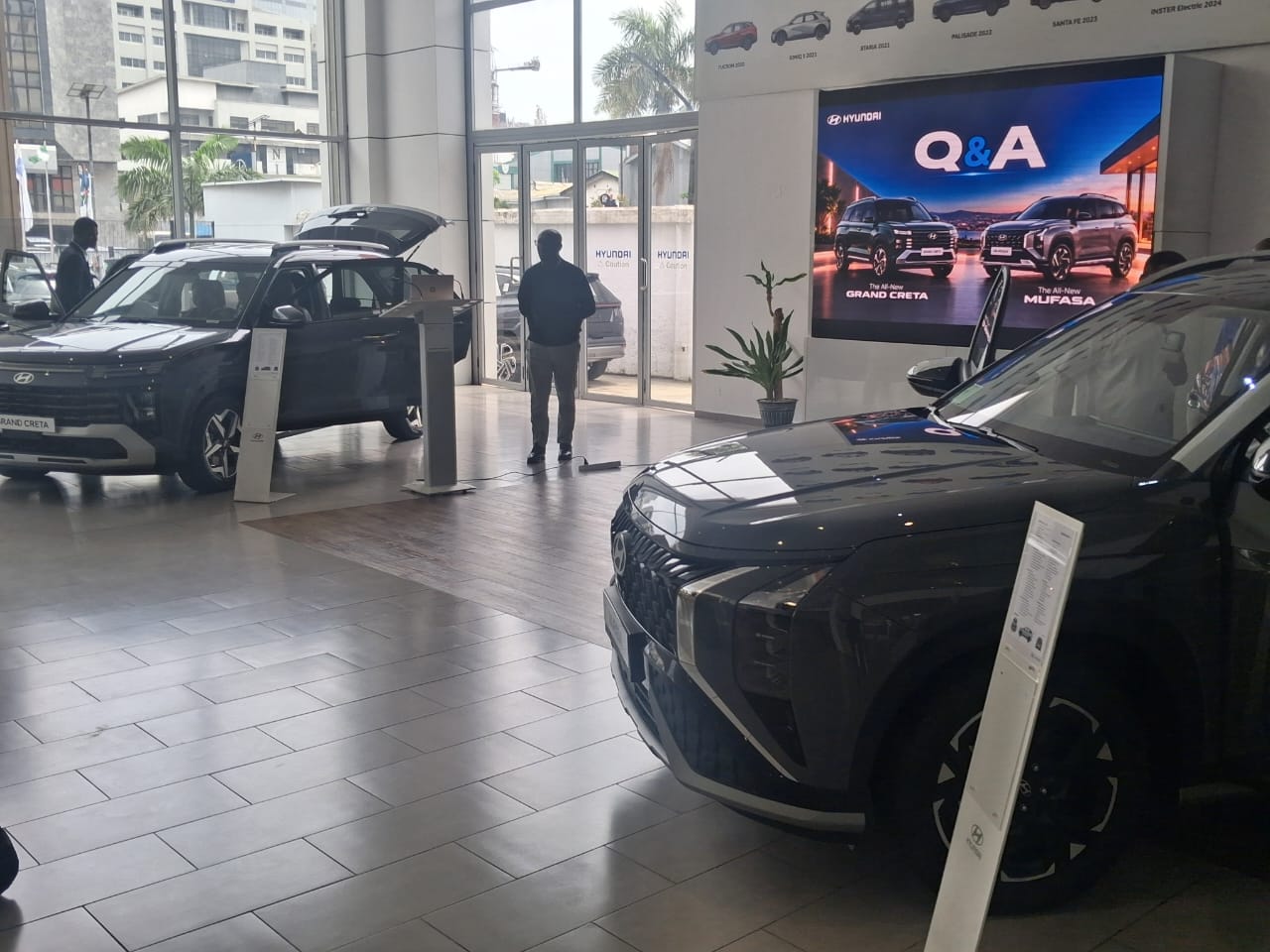
Happening now: Hyundai unveiling of Mufasa and Grand Creta (photos)
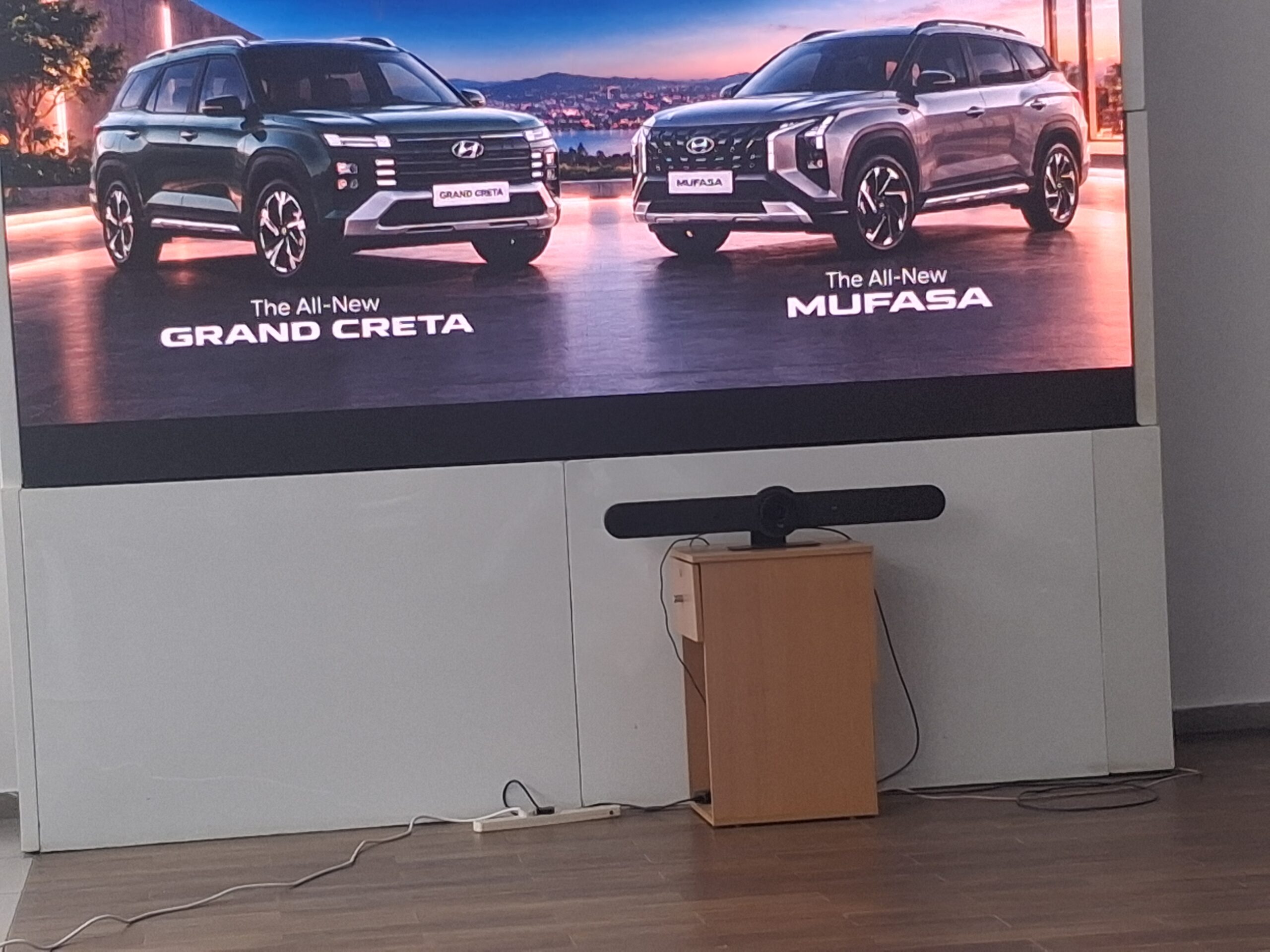
Two latest models of Hyundai auto brands are currently being officially rolled out in Lagos. The new vehicles are Mufasa and Grand Creta.
The unveiling is taking place at the Hyundai showroom on Akin Adesola Street Victoria Island, Lagos.


Auto
No 5% Petrol Tax Plan, Oyedele Says, Amid Public Concerns
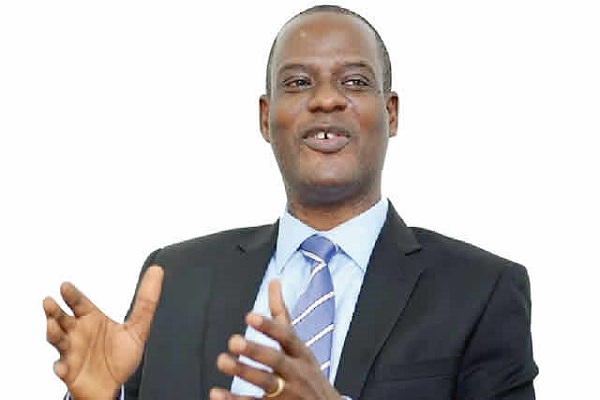
No 5% Petrol Tax Plan, Oyedele Says, Amid Public Concerns
The Federal Government has no plan to introduce a new tax on petrol, Minister of Finance and Coordinating Minister of the Economy, Taiwo Oyedele, has said, dismissing reports that the administration of President Bola Tinubu intends to impose a five per cent levy on petroleum products.
Oyedele clarified the issue in a statement posted on his X account on Tuesday, insisting that a fuel tax was not being considered by the government.
“In my interview with ARISE News, I was clear: a fuel tax is not on the table,” he said.
His statement follows reports linking him to the proposed five per cent tax, which sparked concerns about a possible increase in the cost of petrol amid Nigeria’s persistent cost-of-living crisis.
Petrol prices have remained a major driver of transportation and distribution costs since the removal of the fuel subsidy, contributing to higher prices of food and other essential goods and services.
The prospect of an additional levy had raised fears that households and businesses could face further financial pressure.
However, Oyedele’s clarification indicates that the Federal Government is not currently considering the proposed fuel tax, amid broader efforts to reform Nigeria’s tax system and strengthen public finances.
Auto
Beyond the Showroom: Why After-Sales Service Will Define Auto Industry Winners
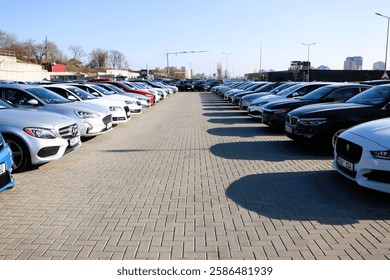
Beyond the Showroom: Why After-Sales Service Will Define Auto Industry Winners
Nigeria’s automotive industry must look beyond vehicle prices, specifications and flashy new models if it hopes to win lasting customer confidence. The real test of competition increasingly lies in what happens after the sale — when a vehicle needs servicing, spare parts, repairs or warranty support.
A car purchase is not a one-off transaction. It marks the beginning of an ownership journey that could last several years, during which the quality of after-sales service can determine whether a customer remains loyal to a brand or regrets the decision to buy it.
When customers struggle to obtain genuine parts, secure timely repairs or get clear answers to warranty claims, their frustration can damage confidence not only in a dealer but also in the manufacturer and the wider automotive market.
After-sales service must therefore move from the background to the centre of automotive competition in Nigeria.
Promises must translate into performance
Effective customer care starts with clear, credible commitments. Buyers deserve to understand warranty coverage, servicing schedules, access to genuine parts, repair procedures and the support available when problems arise.
But promises alone are not enough. A warranty has limited value if customers cannot access a competent service centre. A roadside assistance number means little without an effective response system. And a repair-time guarantee is only as good as the technicians, parts and processes supporting it.
Automotive distributors and dealers must ensure that their marketing promises are matched by the operational capacity to deliver.
Buyers, on their part, should ask questions before committing their money, examine warranty conditions and establish what support they can realistically expect throughout the vehicle’s lifespan.
Competing on ownership experience
Nigeria’s automotive market would benefit enormously if brands competed not only on the vehicles they sell but also on the quality of ownership experience they provide.
Such competition could drive improvements in service delivery, warranty transparency, spare-parts availability, technical training, repair turnaround and customer communication.
Some players are already putting more structured after-sales propositions before buyers. Carloha’s CarlohaCare 6-6-7 programme, for instance, combines a six-year warranty, six years of free servicing and a seven-day repair promise, subject to applicable terms and conditions. Its CarlohaCare Rescue service extends the proposition to assistance beyond the workshop.
These offerings illustrate how clearly defined service commitments can become part of a vehicle’s value proposition, rather than an afterthought.
However, the objective should not be to crown a permanent winner or single out one company as the industry benchmark. Every provider must demonstrate that its commitments are practical, transparent and consistently delivered.
The wider industry should embrace continuous improvement, with customers ultimately judging brands by their real-world experiences.
Automotive journalism must ask tougher questions
Automotive journalism has a critical role in broadening the conversation.
Coverage of the sector often focuses on vehicle launches, new technologies, prices, specifications and expansion plans. These remain important, but consumers also need independent reporting on the realities of vehicle ownership.
Journalists can examine warranty conditions, investigate spare-parts availability, interview service managers and fleet operators, document consumer experiences and assess how effectively companies resolve complaints.
They should celebrate genuine improvements while holding businesses accountable when their public commitments fall short.
The Nigerian Automotive Journalists Association (NAJA) is well positioned to encourage this conversation through informed reporting, industry analysis, interviews and stakeholder engagement.
The goal should be to bring manufacturers, distributors, dealers, fleet operators and consumers around a fundamental question: What level of care should Nigerians reasonably expect after buying a vehicle?
That conversation must remain independent, balanced and evidence-led, rather than becoming a promotional platform for individual brands.
Make after-sales service a buying criterion
The shift towards stronger customer care will gather momentum when Nigerians begin to assess after-sales support as seriously as they consider engine performance, fuel economy, safety features and purchase price.
A private buyer should ask about warranty coverage, servicing costs and the location of authorised workshops. A fleet operator should evaluate parts availability, repair turnaround and vehicle downtime alongside acquisition costs. Families should know what assistance is available when a vehicle breaks down far from home.
Dealers that offer transparent terms and dependable support should earn a competitive advantage. Those that fall short should have a clear incentive to improve.
This is particularly important in a market where vehicle ownership involves significant financial commitment and prolonged exposure to maintenance costs. A seemingly attractive purchase can become expensive if parts are difficult to source or repairs take too long.
The industry must therefore recognise that customer care is not merely a cost centre. Properly managed, it can build loyalty, strengthen brand reputation, generate repeat business and encourage referrals.
The real test begins after payment
Nigeria does not need an automotive market in which businesses compete only to sell more vehicles. It needs one in which they also compete to keep customers satisfied long after the keys have been handed over.
The true measure of a brand is not simply how attractively it markets a vehicle or how efficiently it closes a sale. It is how responsibly it responds when the customer needs help most.
As competition intensifies, the companies that combine good products with reliable service, accessible parts and transparent customer support will have a stronger foundation for lasting success.
For buyers, the message is equally clear: look beyond the showroom, ask the difficult questions and compare the support behind the badge.
Buy the car. Demand the care.
-

 metro20 hours ago
Army Major, Soldiers Killed in ISWAP Ambush in Yobe State
-
 News2 days ago
FG Challenges World Bank’s 124% Debt-to-Revenue Warning, Cites Rising Income
-

 metro2 days ago
NAFDAC Probes Corps Member’s Death at Enugu Camp as Fake Drug Claims Emerge
-

 Politics2 days ago
Buhari Feared Tinubu Presidency, Resisted Pressure to Back Him – Baba-Ahmed Claims
-

 metro2 days ago
Ogun House Fire Horror: Husband Arrested After Wife Dies Following Domestic Dispute
-

 News2 days ago
NLC, Falana Mobilise Nigerians Against Petrol Price Hike, Mount Pressure on Tinubu Govt
-

 metro20 hours ago
Breaking: Afenifere Leader Pa Fasoranti Dies at 100
-

 Entertainment2 days ago
Nollywood Mourns as Actress, Beauty Queen Tenia Abraham Dies at 32