

metro
EFCC witness exposes how Obiano used unlicensed companies in N4bn fraud
EFCC witness exposes how Obiano used unlicensed companies in N4bn fraud
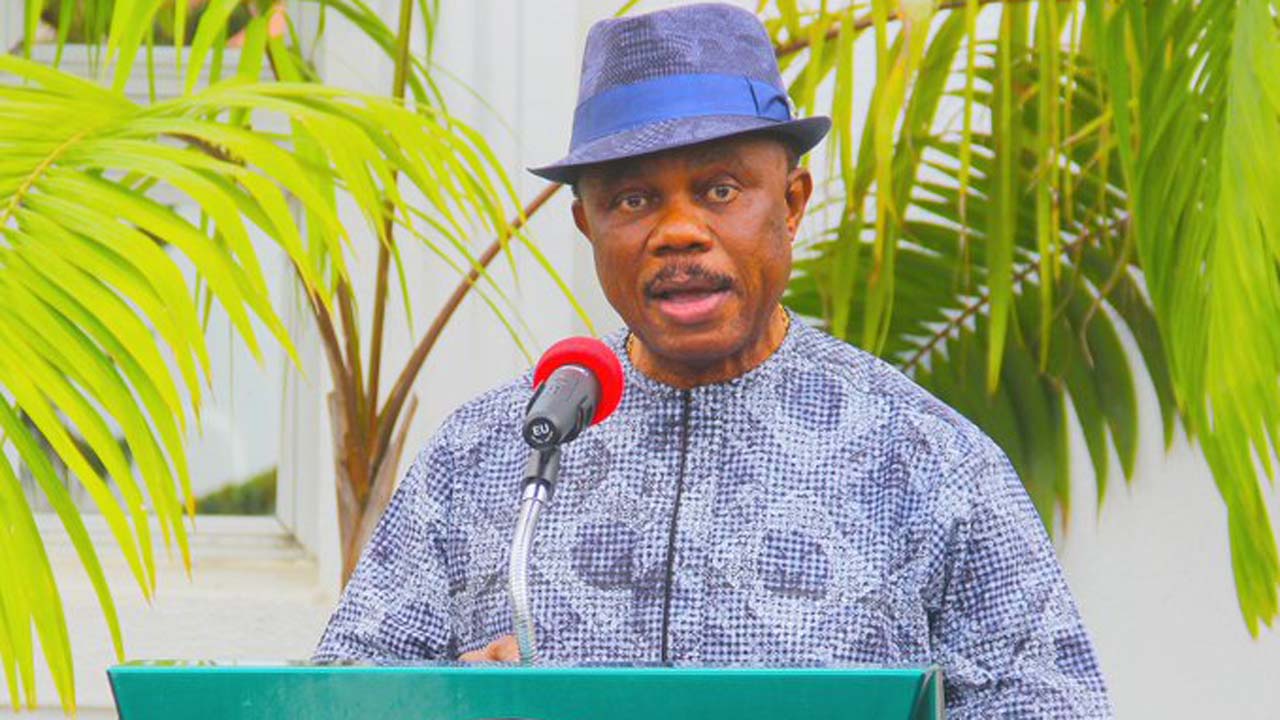
The trial of former Anambra State Governor, Willie Obiano, resumed on Monday, before Justice Inyang Ekwo of the Federal High Court, Abuja, with the Economic and Financial Crimes Commission (EFCC) presenting its ninth witness.
Obiano is facing nine counts of embezzlement and money laundering amounting to N4 billion, as brought against him by the EFCC.
During Monday’s proceedings, the prosecution called its ninth witness, Andrew Ali, a staff member of the Central Bank of Nigeria (CBN) and Head of the Licensing Office.
Ali testified that three of the 23 company accounts linked to the alleged fraud were not duly licensed by the CBN to conduct bureau de change (BDC) operations.
While being led in evidence by EFCC counsel, Sylvanus Tahir, SAN, Ali identified Connaught International Service, SY Panda Enterprise, and Zirga Zirga Trading Company as unlicensed entities.
He further noted that Zirga Zirga had been delisted from the CBN’s register before 2014.
READ ALSO:
- Why Buhari snubbed Babangida’s book launch
- Abuja tenant, landlord engage in physical combat over one-year rent
- Naira records 7-month appreciation at N1,500/$ in parallel market
“Sometime around April 2023, we received two letters from the EFCC regarding 23 financial institutions to determine if they were licensed. I recall forwarding the letters to the desk officer, who confirmed that we had received similar inquiries in the past. We responded comprehensively to the EFCC in a letter dated May 21, 2023, stating that out of the 23 companies, three were not registered,” Ali said.
The court admitted the EFCC’s eight-page letter and the CBN’s response as evidence, marking them as Exhibits A1–A8.
During cross-examination by defence counsel Onyechi Ikpeazu, SAN, Ali reiterated that Zirga Zirga Trading Company had failed to meet licensing requirements before 2014.
“Once you do not meet the requirements, you are delisted. It is public knowledge that we only supervise licensed entities. If a company is not on our list, we lose the power to oversee its operations. We regularly issue public notices to warn against dealings with unlicensed companies, and this information is available on our website,” he said.
He added, “It is clearly stated in Sections 15 and 19 of the CBN Revised Operational Guidelines 2015. Our role is to regulate and supervise. If a company fails to meet the requirements for license renewal, it is delisted, and the information is published on our website. BDCs also have operational accounts for transactions, and they are not permitted to operate without them.”
Justice Ekwo adjourned the trial to February 26, 2025, for continuation.
EFCC witness exposes how Obiano used unlicensed companies in N4bn fraud











metro
Police Arrest Man Over Fake Presidency Number Plate in Abuja
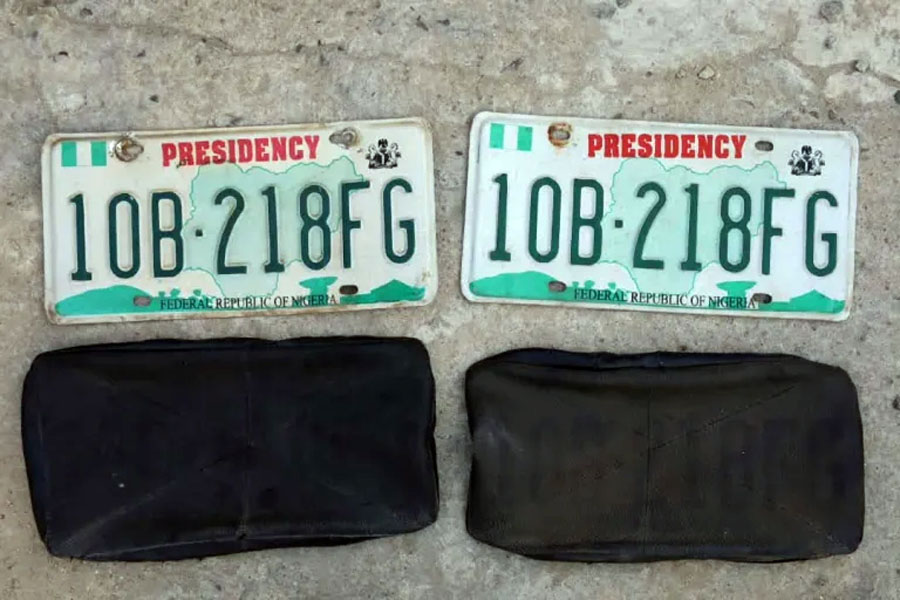
ABUJA — The Federal Capital Territory (FCT) Police Command has arrested a man accused of impersonating a permanent secretary in the Office of the Secretary to the Government of the Federation (SGF) after he was allegedly caught using a forged number plate bearing the inscription “PRESIDENCY”.
The suspect was arrested on October 20, 2026, after police operatives intercepted a Lexus LX570 sports utility vehicle (SUV) in Maitama District, Abuja, at about 8pm.
According to the police, the concealed number plate carried the registration number 10B218 FG.
The command’s spokesperson, SP Josephine Adeh, disclosed that preliminary investigations revealed that the documents presented to support the registration were allegedly forged.
READ ALSO:
- Shettima Blasts States Over Power Woes, Says Govs Must Stop Waiting for Abuja
- Fourth Gas Leak in Six Months: Over 100 Ogun Pupils Hospitalised, Schools Shut as Parents Panic
- Nigerian Journalist Sentenced to 4 Years Over Facebook Post Criticising Police
Adeh said the suspect had claimed to be the legitimate holder of the number plate, prompting further investigations that reportedly uncovered the alleged fraud and impersonation.
“The vehicle and its occupant were promptly arrested for investigation and subsequent prosecution,” the police said.
The command added that investigations were ongoing and that the suspect would be charged to court upon their conclusion.
The police urged residents to remain law-abiding, cooperate with security operatives and report suspicious activities to the nearest police station.
The arrest comes amid concerns over the unauthorised use of official government and diplomatic number plates in the FCT. Police authorities have previously raised concerns that such plates could be used by unauthorised individuals to evade scrutiny or facilitate criminal activities.
The suspect’s identity has not been publicly disclosed, and the allegations remain subject to the outcome of the police investigation and any subsequent court proceedings.
Police Arrest Man Over Fake Presidency Number Plate in Abuja
metro
Woman Arrested for Torching Ex-Boyfriend’s Home in Fit of Jealous Rage
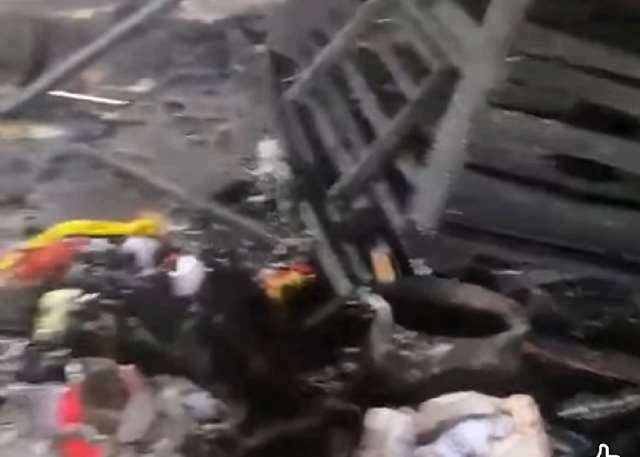
Woman Arrested for Torching Ex-Boyfriend’s Home in Fit of Jealous Rage
Accra, Ghana — A routine breakup escalated into a catastrophic act of arson this week, leaving a young man homeless and his former girlfriend in police custody. The Ghana Police Service has arrested a young woman accused of deliberately setting her boyfriend’s rented apartment on fire after he ended their relationship. The shocking trigger for the split? The woman had answered a phone call on his mobile device without his permission.
According to preliminary police investigations, the couple became embroiled in a volatile and heated argument over the breach of privacy. The confrontation spiraled rapidly out of control when the boyfriend, reportedly furious that she had answered his phone, decided to end the relationship on the spot. Rather than accepting the breakup, the woman’s anger reportedly boiled over into a dangerous and premeditated rage.
In the aftermath of the breakup, authorities allege that the woman intentionally ignited a fire inside the man’s rented home in an act of vengeance. Eyewitnesses described a scene of sheer chaos as flames rapidly consumed the residence, forcing neighbors to flee and local fire services to be summoned to battle the inferno. Dramatic images from the scene reveal a landscape of utter devastation, with the apartment reduced to a pile of charred debris and twisted metal. While no casualties have been reported, the property damage is extensive, and the young man has effectively lost his home and belongings.
The Ghana Police Service acted swiftly following the incident, apprehending the young woman who is now in police custody facing potential charges of arson and destruction of property. Local neighbors have expressed profound shock at the severity of the attack, with one bewildered resident telling reporters, “It is just a phone call. To burn down a whole apartment because you were broken up with? It is a very sad day for us here.” The suspect is expected to be arraigned in court in the coming days as the police finalize their case, serving as a chilling reminder of the dangerous consequences of unchecked anger.
Woman Arrested for Torching Ex-Boyfriend’s Home in Fit of Jealous Rage
metro
Horror in Sokoto: Bandits Intercept Vehicle, Massacre All Passengers Returning from City
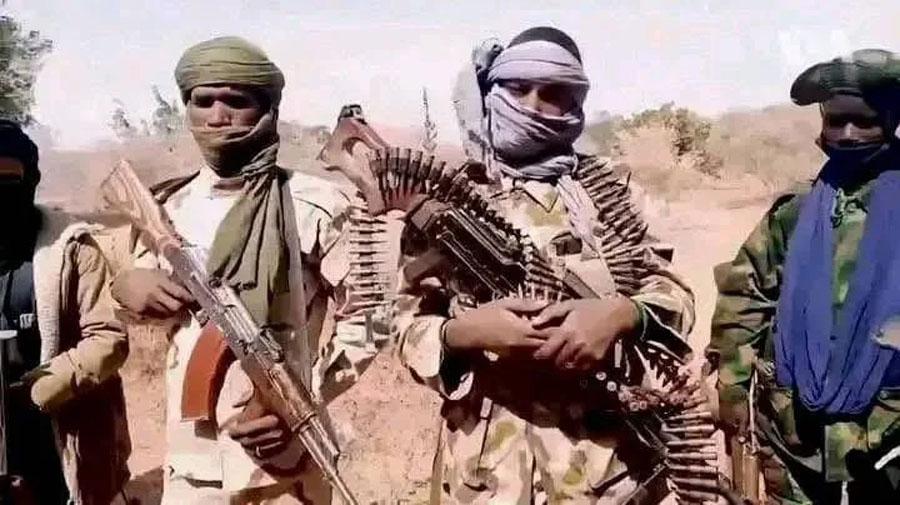
Horror in Sokoto: Bandits Intercept Vehicle, Massacre All Passengers Returning from City
SOKOTO — In a gruesome escalation of insecurity in the North-West, armed bandits have reportedly intercepted a vehicle and killed all passengers on board along a road leading to the Isa Local Government Area of Sokoto State.
According to reports, the tragic incident occurred as the vehicle, a commercial transport conveying passengers, was returning from Sokoto city. The assailants, described as heavily armed, ambushed the vehicle, forcing it to a halt before opening fire on the occupants.
The incident was disclosed by Bakatsine, a conflict reporter covering northwestern Nigeria, who shared information about the attack and photographs of some of the deceased . According to the report, some of the victims were reportedly among the 3,000 people recruited by the Sokoto State Government who had been invited to Sokoto city for further screening and the collection of their documents . The passengers were said to have been travelling back home when the armed men intercepted their vehicle and opened fire on them.
The exact number of people killed in the attack has yet to be confirmed, and there has been no official confirmation from Nigerian authorities as of the time of reporting . Although photographs of some of the deceased have circulated following the incident, the total number of victims and their identities have yet to be independently established .
The attack highlights the persistent security challenges plaguing the region, where bandits frequently target highways and rural communities. Isa Local Government Area, which shares a border with Zamfara State, has been a notorious flashpoint for such criminal activities, including kidnapping, cattle rustling, and highway ambushes.
The reported killing also comes amid continuing concerns over attacks on civilians in other parts of northern Nigeria, particularly in communities affected by insurgency and banditry . Residents of the affected area have expressed deep grief and outrage over the continuous loss of lives, urging security agencies to intensify patrols along the Sokoto-Isa road and other vulnerable routes.
When contacted, the Sokoto State Police Command Public Relations Officer promised to provide details of the incident, stating that operatives have been deployed to the area to ascertain the facts and restore normalcy.
The mass killing underscores the urgent need for enhanced security measures to protect travelers and rural dwellers in Sokoto State and the broader North-West region. NewsTrends will continue to monitor the situation and provide updates as more information becomes available.
Horror in Sokoto: Bandits Intercept Vehicle, Massacre All Passengers Returning from City
-
 metro2 days ago
Army Major, Soldiers Killed in ISWAP Ambush in Yobe State
-

 metro2 days ago
Atiku: US Lobbying Firm Raises Alarm Over Alleged Assassination Plot
-

 metro2 days ago
Five Arraigned Over Kidnapping of 20 Prospective NYSC Members in Imo
-
 metro2 days ago
Breaking: Afenifere Leader Pa Fasoranti Dies at 100
-

 metro2 days ago
‘We Don’t Know What Else to Do’ — Mother Begs for Release of Abducted Children
-

 metro2 days ago
‘I Never Asked Them to Abandon Loved Ones’ — Obi Clarifies Diaspora Remarks
-

 Auto2 days ago
Beyond the Showroom: Why After-Sales Service Will Define Auto Industry Winners
-

 Auto2 days ago
Happening now: Hyundai unveiling of Mufasa and Grand Creta