

News
Fed govt unveils roadmap for Africa’s digital revolution under AfCFTA

Fed govt unveils roadmap for Africa’s digital revolution under AfCFTA
The federal government has launched a comprehensive strategy to lead Africa’s digital trade revolution under the African Continental Free Trade Agreement (AfCFTA).
Vice President Kashim Shettima announced the plan on Friday, July 19, highlighting Nigeria’s position as the continent’s largest ICT hub and its potential to spearhead technological transformation.
A statement issued by Senior Special Assistant to the President on Media and Information, Office of the Vice President, Stanley Nkwocha, indicated that the strategy is part of the Renewed Hope Agenda of President Bola Ahmed Tinubu’s administration to harness trade as a catalyst for economic growth and continental cohesion in line with AfCFTA objectives.
Shettima gave his highlight while delivering the keynote address during a Stakeholders Summit with the theme: “Digital Trade in Africa: The Renewed Hope Strategy,” held at the Banquet Hall of the Presidential Villa, Abuja.
“We are in a vantage position because we are the continent’s largest ICT hub, and as such, we must lead the way to the future of this peculiar wave of the Industrial Revolution.
“Our collaboration must prioritize comparisons of our policy initiatives to those of developed economies and fine-tune them to sustain our place and fast-track our growth,” the Vice President stated.
Shettima outlined key components of the roadmap to include the implementation of AfCFTA’s Digital Trade Protocol and the development of expansive technical talent hubs.
READ ALSO:
- Refinery: Dangote defends product quality, says diesel 80% better than imported ones
- Arrest Philip Shaibu now over airport shooting, Edo govt tells police
- BREAKING: FCCPC fines Meta platforms $220m over ‘discriminatory practices’ in Nigeria
The plan, according to him, also focuses “on enhancing digital infrastructure investments, promoting disruptive innovation and entrepreneurship, and ensuring the alignment of multiple government agencies to support digital trade initiatives.”
The VP stressed the need for strong synergy between the public and private sectors in implementing the AfCFTA’s Digital Trade Protocol, just as he assured that the federal government remains committed to investing in digital infrastructure and human capital development to drive the process.
He continued: “Our collaboration must prioritize comparisons of our policy initiatives to those of developed economies and fine-tune them to sustain our place and fast-track our growth. For a sector upon which all others rely to survive, digital technologies hold the nation together, and we cannot afford to slow down.
“Our programmes, from the Investment in Digital and Creative Enterprises (iDICE) to the ongoing intervention to train 3 million technical talents by the Ministry of Communications, Innovation and Digital Economy, to the Outsource to Nigeria Initiative (OTNI), are lifelines in our digital economy.
“They offer us an avenue to not only maximize our potential but also commit to the adoption of the Digital Trade Protocol within AfCFTA,” VP Shettima further explained.
Earlier in his remarks, Minister of Communications, Innovation and Digital Economy, Dr Bosun Tijjani, said the Tinubu administration is investing significantly in every aspect of the digital trade protocol, to harness opportunities in the country and continent at large.
He explained that through innovative policies and programmes such as the 3 Million Technical Talent (3MTT) programme, data protection policy and improved investments in digital infrastructure, the administration is equipping the country’s young population for the opportunities of the present and future.
Underscoring the significance of technology in trading across the continent, Dr Tijjani said opportunities that exist within the single market area are unprecedented and could best be harnessed through effective collaboration and networking facilitated by digital technology.
In his welcome address, the Special Assistant to the President on ICT Policy, Dr. Salihu Dasuki Nakande, thanked President Tinubu and Vice President Shettima for their commitment and dedication to the Renewed Hope Agenda, which he said has laid a solid foundation for the digital transformation journey in the country.
READ ALSO:
- Catholic priest reportedly flogs women, choir members in Enugu
- Notorious drug traffickers arrested in Imo
- Ndume defends outburst against Tinubu, says ‘I stand by statements’
He said their continuous support has led to the discourse on digital transformation which will equally lead to a prosperous Nigeria.
Quoting the Vice President in his address at the World Economic Forum in Davos earlier this year, Dr. Nakande said: “Looking ahead, there is a need for speed and cohesion among African countries, the idea of AfCFTA must be revived and there is no hope in keeping waiting in this world, we must act swiftly and together ensure that the AfCFTA succeeds.
“We will explore how the digital economy and AfCFTA can transform Nigerian trade, boost economic growth, support livelihoods and improve the lives of our citizens.”
According to him, Nigeria is projected to be a 1 trillion-dollar economy by 2026 and to achieve this, a digital economy is necessary, even as he noted that the next step in Nigeria’s digital future is regional integration, aligning with the African Union’s Digital Transformation Strategy for Africa, supported by Digital Protocol.
On his part, the Head of Prosperity, British Deputy High Commission, Mr Kris Kamponi, said the United Kingdom is a proud champion of open, free and fair trade, noting that it has positively impacted the UK economy.
He said the Digital Trade in Africa initiative is vital and critical in addressing all of the issues relating to growing prosperity for Africa.
In her presentation, a Senior Research Officer at ODI, Dr Prachi Agarwal, commended Nigeria for its visionary approach and leadership in prioritizing digital trade, pledging the organisation’s commitment to supporting the operationalization of the AfCFTA.
She said the ODI firmly believes in the transformative potential of digital technology, especially in unlocking market opportunities through the AfCFTA framework; hence, its resolve to partner with stakeholders in the project.
Also present at the event were the Executive Secretary of the Nigeria Shippers Council (NSC), Mr Pius Akutah; Director General of National Information Technology Development Agency (NITDA), Mr Kashifu Inuwa; Registrar-General of the Corporate Affairs Commission (CAC), Mr Hussaini Magaji; Director General of Small and Medium Enterprises Development Agency of Nigeria (SMEDAN), Mr Charles Odii; Managing Director of Nigeria Commodity Exchange, Mr Anthony Atuche, and representatives of development partners, among others.
Fed govt unveils roadmap for Africa’s digital revolution under AfCFTA





News
Shell Exits Nigeria’s Gas Distribution Business, Sells Stake to Vaaris Energy

Shell Exits Nigeria’s Gas Distribution Business, Sells Stake to Vaaris Energy
Shell Petroleum B.V. has agreed to sell its entire interest in the Shell Nigeria Gas Group to indigenous energy company Vaaris Energy Limited, marking another major shift in the international oil giant’s business portfolio in Nigeria.
The agreement, announced on Tuesday, October 13, 2026, covers Shell’s domestic gas distribution business in the country. The financial terms of the transaction were not disclosed in the announcement.
The proposed sale will transfer Shell’s interest in the gas distribution group to Vaaris Energy, a Nigerian-owned company seeking to expand its presence in the country’s oil and gas industry.
The transaction represents another adjustment to Shell’s Nigerian operations as the company focuses on selected oil, gas and integrated energy projects.
Shell’s latest move follows its earlier exit from onshore oil production through the sale of its interest in the Shell Petroleum Development Company of Nigeria Limited (SPDC) to the Renaissance consortium. That transaction was completed in March 2025 after receiving the necessary regulatory approvals.
However, the two transactions involve different parts of Shell’s Nigerian business. The earlier deal covered its onshore oil-producing subsidiary, while the latest agreement concerns its domestic gas distribution operations.
READ ALSO:
- Delta Tragedy: Man Allegedly Kills Wife, Dies by Suicide After Land Dispute
- VIDEO: Outrage as Indian National Assaults Nigerian Truck Drivers in Lagos
- Forgery Probe: Police Arrest Ex-Imo Governor Rochas Okorocha in Abuja
Following the SPDC sale, Shell retained other interests in Nigeria, including its deepwater oil and gas operations and its participation in Nigeria LNG Limited. The company also continued operating its domestic gas distribution business, which is now expected to come under Vaaris Energy’s ownership once the latest transaction is completed.
Shell said the proposed divestment aligns with its strategy of simplifying its global portfolio and concentrating investment on projects expected to deliver stronger returns.
Elohor Aiboni, Shell’s country chair in Nigeria, said the company would continue to focus on its strategic deepwater and integrated gas positions in the country.
For Vaaris Energy, the proposed acquisition offers an opportunity to strengthen its position in Nigeria’s natural gas market and expand its participation in the domestic energy value chain.
The company is a privately held Nigerian energy business with interests across the oil and gas sector. However, details of its plans for the acquired business, including any operational changes or investment commitments, were not disclosed in the announcement.
The financial value of the transaction and the precise timeline for completion were also not made public in the information available at the time of reporting.
The deal comes as Nigeria seeks to increase domestic gas utilisation, improve energy supply and attract investment into its gas infrastructure. Gas distribution plays an important role in connecting producers with industrial users and other customers that rely on natural gas for their operations.
The implications of the acquisition for Nigeria’s domestic gas market will depend on the completion of the transaction and how Vaaris Energy manages and develops the business under its ownership.
Shell’s agreement with Vaaris therefore marks another change in the ownership of a significant energy asset in Nigeria, while allowing the international company to maintain its focus on other strategic oil and gas interests in the country.
Shell Exits Nigeria’s Gas Distribution Business, Sells Stake to Vaaris Energy
News
Delta Tragedy: Man Allegedly Kills Wife, Dies by Suicide After Land Dispute

A domestic dispute allegedly involving the sale of landed property and accusations of infidelity has left a couple dead in Agbarho community, Ughelli North Local Government Area of Delta State, leaving their four children without either parent.
The incident reportedly occurred on Owiri Street in Agbarho, where the man allegedly attacked and killed his wife before later dying by suicide after ingesting a poisonous substance.
According to a report published by Vanguard on Tuesday, October 13, 2026, the tragedy followed a disagreement between the couple over landed property and alleged infidelity. However, the full circumstances surrounding the confrontation have not been independently established.
A source quoted in the report said the man was reportedly angered by allegations concerning his wife’s fidelity and the sale of his landed property. The precise sequence of events leading to the couple’s deaths remains unclear.
A neighbour reportedly said the couple had experienced repeated physical confrontations before the incident, suggesting that tensions within the household may have persisted for some time. However, details of the earlier clashes and whether the authorities had previously been alerted have not been confirmed.
READ ALSO:
- VIDEO: Outrage as Indian National Assaults Nigerian Truck Drivers in Lagos
- Forgery Probe: Police Arrest Ex-Imo Governor Rochas Okorocha in Abuja
- INEC Demands Formal Complaints as Missing Candidates Rock 2027 Election List
The deceased man’s elder brother also reportedly expressed shock over the deaths, saying he was not fully aware of what had triggered the fatal confrontation. He confirmed that the couple had four children, with the eldest said to be about 21 years old, but declined to disclose their identities.
A senior police officer at the Agbarho Division reportedly confirmed the incident, saying officers evacuated the bodies to a morgue as investigations began. The officer also indicated that no formal complaint had been lodged by the families as of the time of the report.
Attempts to obtain further comments from the Delta State Police Command’s spokesperson, SP Bright Edafe, were reportedly unsuccessful before the report was published.
The deaths have left the couple’s four children facing the loss of both parents, adding to the devastating consequences of the incident. The circumstances surrounding the reported property dispute, the allegations of infidelity and the events immediately preceding the deaths remain subject to investigation.
The tragedy highlights the potentially devastating consequences of unresolved domestic conflict. Disagreements involving marital relationships, property ownership and land sales should be addressed through peaceful dialogue, appropriate support and lawful channels. Violence is never an acceptable way to resolve such disputes.
Delta Tragedy: Man Allegedly Kills Wife, Dies by Suicide After Land Dispute
News
Obasanjo Backs Higher Oil Derivation, Says 13% Is Only the Beginning
Obasanjo Backs Higher Oil Derivation, Says 13% Is Only the Beginning
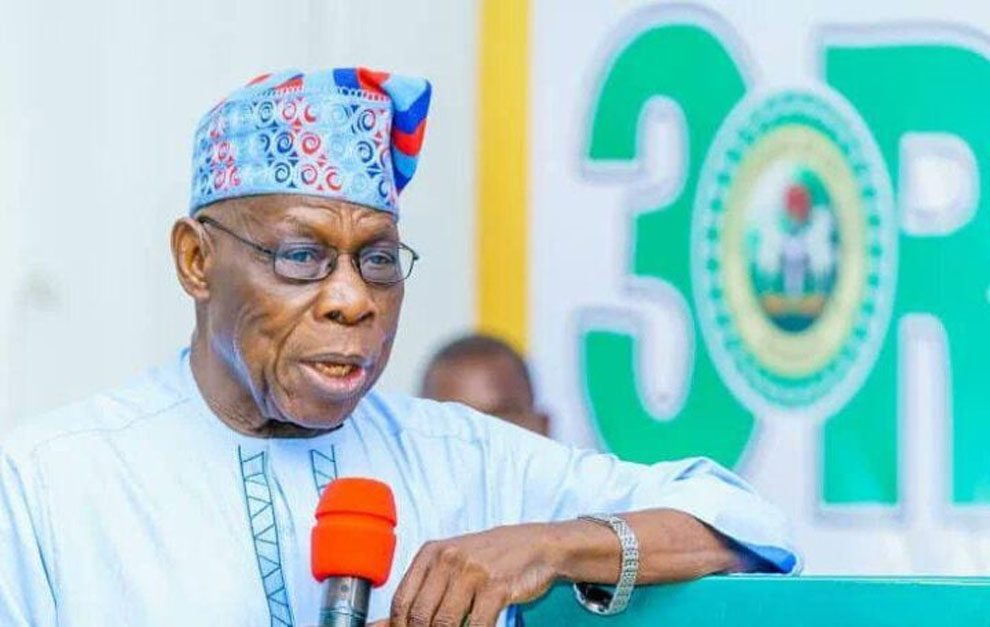
Former President Olusegun Obasanjo has backed calls for an increase in the 13 per cent oil derivation fund allocated to oil-producing states, saying the existing arrangement should be regarded as a starting point rather than a final settlement.
Obasanjo made the position known on Monday during the inauguration of the Crude Distillation Unit (CDU) of the $1 billion Azikel Refinery at Obunagha in Yenagoa Local Government Area of Bayelsa State.
Addressing Bayelsa State Governor Douye Diri, the former president acknowledged that oil-producing states and communities had yet to receive what he considered a fair share of the benefits from the exploitation of their natural resources.
“You are right that the states and oil-producing communities have not got a fair deal so far. Thirteen per cent is the beginning. You can continue to talk,” Obasanjo said.
His remarks reinforced renewed demands for a review of Nigeria’s revenue-sharing arrangement, particularly from the Niger Delta, where crude oil production has remained central to the national economy.
Under the existing constitutional framework, oil-producing states receive at least 13 per cent of revenue accruing to the Federation Account directly from natural resources, in line with the principle of derivation.
However, the allocation has remained a source of debate, with stakeholders in the oil-producing region arguing that the revenue does not adequately address the environmental damage, infrastructure challenges and economic difficulties associated with petroleum exploration.
Diri also criticised the existing arrangement, insisting that communities where crude oil is extracted should have a greater say in how the resources are managed and how the resulting wealth is distributed.
READ ALSO:
- How Bandits Demand ₦300m Ransom for Abducted Kaduna Couple, Baby in Viral Video
- 2027 Elections: Atiku Demands Names of INEC Ballot Printers, Questions Secret Contracts
- ₦8.7bn Erosion-Control Budget Gap Raises Questions as Anambra Gullies Expand
The governor argued that the region had endured years of agitation over what residents perceive as an imbalance between the resources extracted from their communities and the benefits they receive.
He also faulted the Land Use Act, arguing that the distinction between state control of surface resources and Federal Government control of resources beneath the ground places oil-producing communities at a disadvantage.
Diri maintained that the Niger Delta was not demanding exclusive ownership of the proceeds from petroleum production but wanted to become a more active participant in decisions affecting the industry.
“We do not want to take all to ourselves. We just want to be co-players in determining how it is done. Thirteen per cent is not enough for the states,” he said.
The governor urged young people in Bayelsa to acquire relevant technical and professional skills to benefit from industrial investments, including the refinery project.
He warned that the presence of major oil and gas facilities would have limited benefits for local communities if residents lacked the expertise needed to secure employment and participate in their operations.
The refinery project, owned by Azikel Petroleum under the Azikel Group, is expected by its promoters to produce about 2.5 million litres of petrol and two million litres of diesel daily, alongside other petroleum products, when completed.
The installation of the crude distillation unit marks a significant stage in the development of the facility, whose foundation was laid by Obasanjo about eight years ago.
The former president commended Azikel Group President, Azibapu Eruani, for sustaining the project and urged him to complete the refinery within the next 12 months.
Obasanjo also acknowledged the contributions of the African Finance Corporation and the African Export-Import Bank (Afreximbank), calling for continued support to bring the investment to completion.
He praised Diri for supporting the project and commended the Bayelsa government for what he described as the productive use of the state’s available revenue.
Eruani said the refinery was conceived to position Bayelsa and the wider Niger Delta as active participants in the petroleum industry rather than merely suppliers of crude oil.
He expressed confidence that the project would support industrialisation, create economic opportunities and strengthen local participation in the oil and gas value chain.
The refinery initiative comes amid continuing debates over resource control, revenue allocation and development in the Niger Delta, with calls for oil-producing communities to receive greater economic benefits from the natural resources extracted from their territories.
Obasanjo Backs Higher Oil Derivation, Says 13% Is Only the Beginning
-

 metro3 days ago
Tension in Kano as Phone Traders Confront Chinese Sellers Over Cheaper Phones
-

 Entertainment2 days ago
‘My Wife Fed Actresses I Was Dating Despite Knowing About Our Affairs’ – Yinka Quadri
-
 metro2 days ago
₦8.7bn Erosion-Control Budget Gap Raises Questions as Anambra Gullies Expand
-
 Politics1 day ago
Obi Positioning for SGF Role Under Atiku’s ADC Ticket – Sowore
-

 International2 days ago
US Names 24 More Nigerians in Fresh Fraud, Money Laundering Crackdown
-

 metro1 day ago
Child Soldiers, Baby Factories: US Raises Alarm Over Official Complicity in Nigeria
-
 Africa2 days ago
Djibouti Boat Disaster: 139 Migrants Dead, Dozens Missing
-

 Politics1 day ago
Okonkwo Alleges Return of Subsidy, Accuses NNPC of Plotting Trillions in ‘Lost Profit’