
Business
Naira Could Trade Below ₦1,000/$ With Dangote Refinery at Full Capacity — Otedola

Naira Could Trade Below ₦1,000/$ With Dangote Refinery at Full Capacity — Otedola
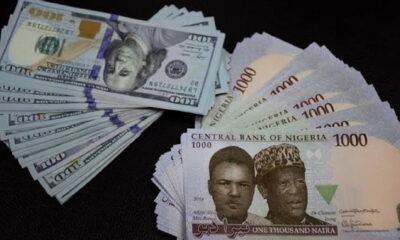
Billionaire businessman Femi Otedola has projected that the naira could strengthen to trade below ₦1,000 per US dollar as the Dangote Petroleum Refinery achieves full operational capacity. The prediction comes as Nigeria anticipates a major boost in domestic fuel production, potentially reducing import dependence and easing pressure on the foreign exchange market.
Otedola made the projection in a post on X, congratulating Aliko Dangote on the refinery reaching its designed processing capacity of 650,000 barrels per day (bpd). He described the milestone as a historic moment for Nigeria’s energy sector, saying it could positively impact the naira exchange rate, foreign reserves, and overall economic stability.
According to Otedola, the refinery’s capacity to produce up to 75 million litres of Premium Motor Spirit (PMS) daily positions Nigeria to meet domestic fuel demand and even generate surplus for export. He highlighted that this would reduce the country’s reliance on imported petroleum products, which historically exerted heavy pressure on the naira and foreign exchange resources.
READ ALSO:
- Adeyanju Urges EFCC, DSS to Probe El-Rufai Over Alleged Corruption, Insecurity in Kaduna
- Granite-Laden Truck Kills Motorist, Leaves Wife Critically Injured in Lekki–Ajah Crash
- City Boy Movement Receives Bus Donations from Zenco, Obi Cubana for Tinubu’s Campaign
“With domestic refining now firmly underway after decades of reliance on imports, pressure on the foreign exchange market should ease significantly, potentially pushing the naira below ₦1,000/$ before year-end,” Otedola said. He also noted that the EFCC and monetary authorities’ support in maintaining a conducive economic environment would complement these gains.
The Dangote Refinery, located in the Lekki Free Zone, Lagos, is Africa’s largest single-train refinery. Experts say that reaching full production will conserve billions of dollars previously spent on importing refined petroleum products and strengthen Nigeria’s foreign exchange reserves. Plans are also underway to expand refining capacity to 1.4 million bpd, with increased production of petrochemicals like polypropylene and linear alkyl benzene, further reducing industrial import dependence.
Economic analysts have welcomed the refinery’s milestone but caution that naira stability will still depend on broader macroeconomic reforms, oil prices, foreign capital inflows, and Central Bank of Nigeria (CBN) policies. Nevertheless, Otedola’s projection reflects renewed optimism that domestic refining capacity could be a turning point for the Nigerian economy, energy security, and the foreign exchange market.
Naira Could Trade Below ₦1,000/$ With Dangote Refinery at Full Capacity — Otedola







Business
Experts Reject World Bank Fuel Import Advice, Warn of Economic Setback for Nigeria
Experts Reject World Bank Fuel Import Advice, Warn of Economic Setback for Nigeria
Energy experts have strongly criticised recent recommendations attributed to the World Bank urging Nigeria to deepen fuel importation and further liberalise its downstream petroleum sector, warning that the proposal is economically risky, poorly timed, and inconsistent with Nigeria’s petroleum law.
The criticism comes amid growing debate over the findings of the World Bank’s latest Nigeria Development Update, which some stakeholders say suggests a return to higher fuel import dependence as part of broader market reforms aimed at stabilising prices and improving efficiency.
However, energy economist Prof. Ken Ife faulted the recommendation, arguing that it contradicts Nigeria’s long-term goal of energy self-sufficiency and undermines ongoing investments in domestic refining capacity.
“You cannot advise a country struggling to achieve economic self-reliance to return to fuel importation,” Ife said, warning that such a policy shift would reverse gains made under the Petroleum Industry framework.
He stressed that the proposal runs counter to the provisions of the Petroleum Industry Act, particularly the Domestic Crude Supply Obligation, which prioritises crude allocation to local refineries to support domestic production.
According to him, abandoning this structure would weaken Nigeria’s refining ambitions, increase exposure to global oil shocks, and worsen pressure on foreign exchange reserves.
“We are building capacity that could exceed domestic demand. Reversing course now would discourage investors and destabilise the downstream sector,” he added.
Ife further questioned the empirical basis of the recommendation, describing it as inconsistent with the broader analytical strength of the World Bank report.
READ ALSO:
- Fake Image of Governor Alia Bowing to Sultan Sparks Controversy, Palace Reacts
- Tinubu Aide Defends Early INEC Statement Release on Amupitan Controversy
- Nigeria-Kenya Comparison Won’t Solve Economic Crisis — Peter Obi Replies Tinubu
Other energy analysts echoed similar concerns, arguing that Nigeria is already at a critical stage of expanding domestic refining, including private-sector-led investments that are expected to reduce dependence on imported petrol in the coming years.
Energy analyst Kelvin Emmanuel also criticised the proposal, insisting that it is disconnected from current global pricing realities and supply chain risks.
He argued that landing imported petrol in Nigeria is already significantly expensive when freight, insurance, and exchange rate factors are considered, making large-scale import reliance economically unsustainable.
Emmanuel further noted that rising crude oil prices—driven partly by geopolitical tensions in the Middle East—have pushed global energy markets into volatility, reinforcing the need for domestic refining resilience rather than import dependence.
He also disputed claims that imported fuel could be cheaper than locally refined products, arguing that such assumptions ignore structural cost realities in the global supply chain.
On inflation and fuel pricing, Emmanuel maintained that Nigeria’s challenges are linked more to policy implementation gaps than production shortages, particularly in crude allocation to local refineries as outlined in the Petroleum Industry Act.
“If domestic supply obligations are properly enforced, price stability will improve and market volatility will reduce,” he said.
He also criticised proposals suggesting that Nigeria should expand social safety nets through borrowing, arguing that such measures could worsen fiscal pressure and contradict responsible debt management principles.
While acknowledging that social protection is important, he insisted that funding should prioritise grants or targeted revenue sources rather than additional debt obligations.
The debate highlights growing tension between international policy advice and Nigeria’s domestic energy strategy at a time when the country is attempting to stabilise fuel supply, reduce import dependence, and strengthen local refining capacity.
Industry observers say the outcome of this policy direction could significantly shape Nigeria’s downstream petroleum sector, foreign exchange stability, and long-term energy security.
Experts Reject World Bank Fuel Import Advice, Warn of Economic Setback for Nigeria
Business
Official, Black Market Rates Diverge as Naira Starts Week on Stable Note
Official, Black Market Rates Diverge as Naira Starts Week on Stable Note
The Nigerian Naira began the new trading week on Monday, April 13, 2026, with slight movements against the United States Dollar across both the official and parallel foreign exchange markets, reflecting continued cautious stability in the currency environment.
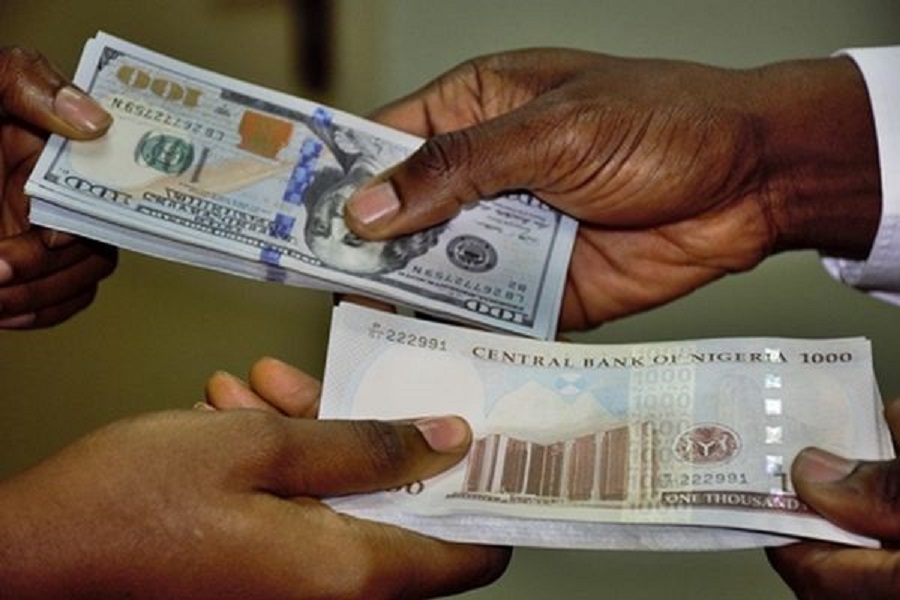
In the Nigerian Foreign Exchange Market (NFEM), the official trading window, the Naira opened at about ₦1,358.84 per $1, before recording mild intraday fluctuations that pushed it briefly to around ₦1,362.08, before easing back toward the opening range.
The performance indicates a relatively stable session, supported by ongoing liquidity management efforts and sustained interventions by the Central Bank of Nigeria, which has continued to monitor dollar supply and demand in the banking system.
Analysts say the official market remains largely driven by inflows from oil exports, non-oil earnings, and diaspora remittances, all of which help moderate volatility in the NFEM window.
Parallel Market Remains Higher Amid Strong Demand
In contrast, the parallel market—commonly referred to as the black market—recorded significantly higher exchange rates as demand for dollars persisted among importers, traders, and individuals outside the official FX window.
READ ALSO:
- Kwankwaso Reveals Details of Kwankwasiyya’s ADC Power-Sharing Formula
- ADC Crisis: Supreme Court to Hear David Mark’s Appeal April 14
- FG Boosts Power Generation to 4,300MW in Two Weeks — Adelabu
Reports from currency dealers in commercial hubs such as Lagos, Abuja, and Kano indicate that the Dollar traded between ₦1,460 and ₦1,485 during the morning session.
The wide gap between the official and parallel market rates continues to reflect structural pressures in Nigeria’s foreign exchange system, including limited liquidity access and high demand for foreign currency for imports, travel, and education-related payments.
Market Outlook and Sentiment
Financial analysts note that market sentiment remains cautious, with traders closely watching upcoming macroeconomic indicators, crude oil price movements, and possible policy signals from monetary authorities.
Experts also point out that the stability in the NFEM suggests that recent reforms and tightening measures in the foreign exchange market may be gradually improving transparency and liquidity management, even though pressure persists in the informal market segment.
For many Nigerians, fluctuations in the exchange rate continue to directly impact the cost of imported goods, fuel-related logistics, and overall inflation expectations, making daily FX movements a key economic indicator.
As of early Monday trading, market activity remained steady, with expectations that the Naira will continue to trade within a relatively narrow range unless triggered by major external shocks or policy adjustments.
Official, Black Market Rates Diverge as Naira Starts Week on Stable Note
Railway
FG pushes high-speed train, expands rail links to seaports
FG pushes high-speed train, expands rail links to seaports
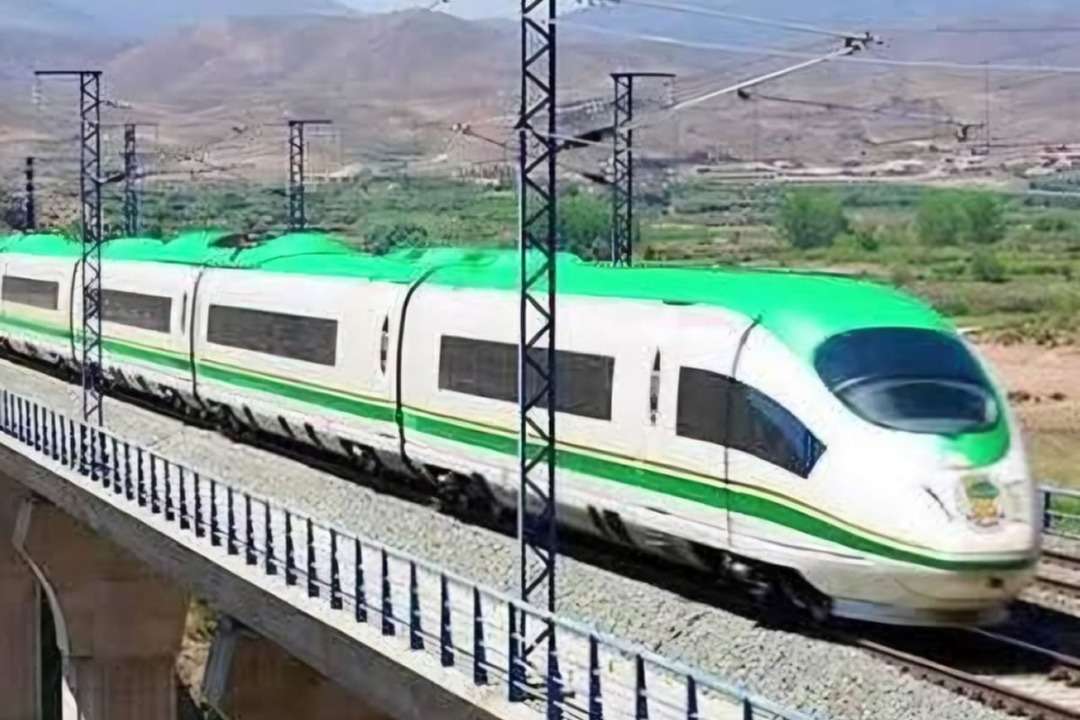
The Federal Government has intensified efforts to modernise Nigeria’s rail system, setting up a high-speed rail committee and approving the expansion of rail connections to key seaports to boost cargo movement and ease logistics bottlenecks.
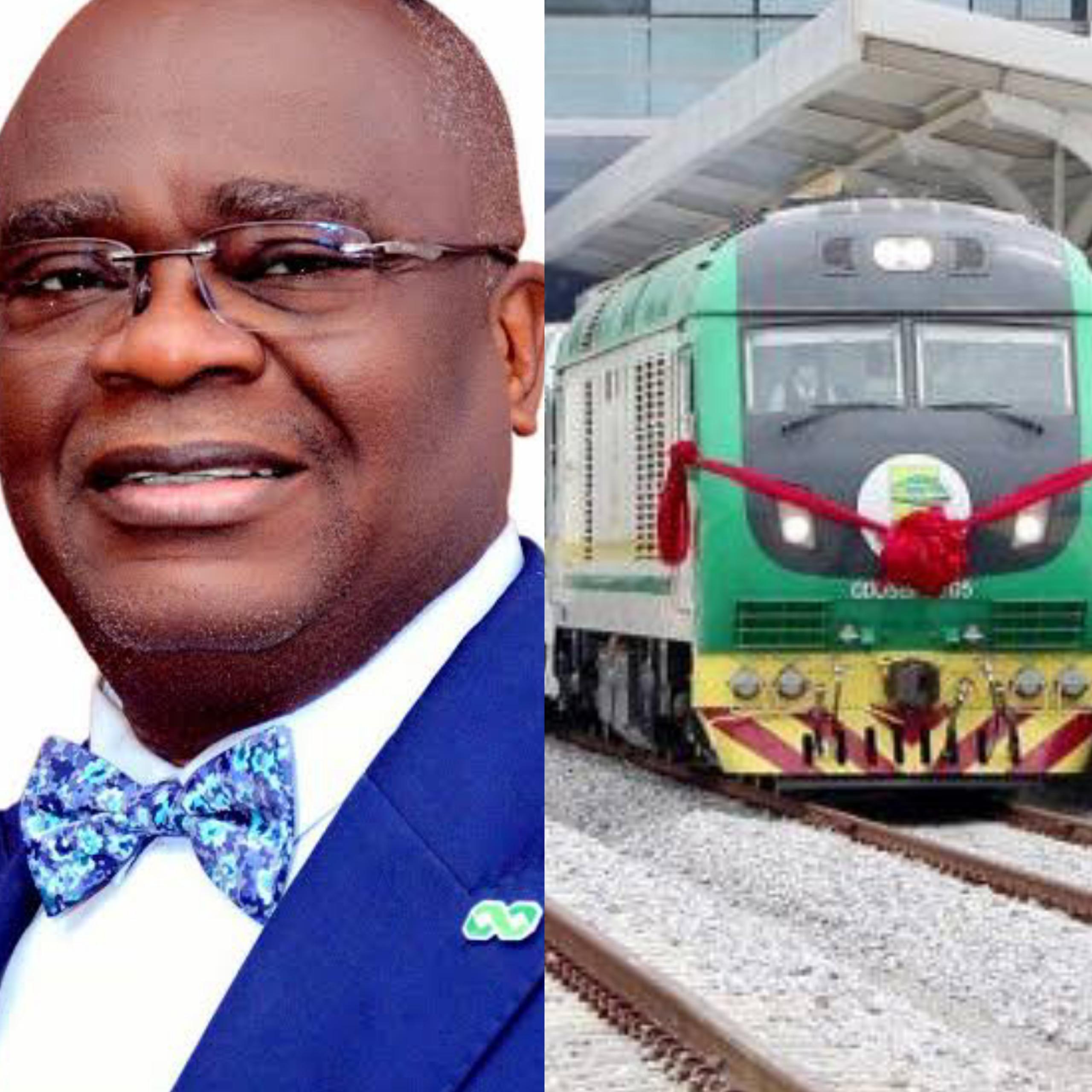
Managing Director of the Nigerian Railway Corporation (NRC), Kayode Opeifa, disclosed this at the quarterly stakeholders’ engagement of the Nigerian Ports Consultative Council.
In a statement by the NRC’s Chief Public Relations Officer, Callistus Unyimadu, Opeifa said the Office of the Secretary to the Government of the Federation had constituted a committee on high-speed rail development to drive initiative.
He disclosed that the Federal Government was seeking private sector participation in this regard.
The NRC boss also emphasised that seamless rail-port integration remained critical to unlocking the full benefits of ongoing maritime reforms.
Opeifa warned that investments in port infrastructure, including deep seaports, would continue to yield limited returns without efficient rail connectivity to move cargo inland.
He noted that while collaboration between the corporation and port authorities had improved—particularly under the administration of Bola Ahmed Tinubu—significant gaps remain in cargo evacuation from ports, especially in Lagos and along the eastern corridor.
He identified persistent bottlenecks in rail freight operations and called for targeted interventions to improve efficiency, stressing that a shift towards rail-based cargo movement is essential for a more reliable and cost-effective logistics system.
Highlighting ongoing and planned projects, Opeifa said the Federal Government has approved the extension of the Lagos–Ibadan standard gauge rail line to Apapa and Tin Can Island ports. He added that the Warri–Itakpe line would be linked to Warri Port, while the eastern narrow gauge is set to connect the Port Harcourt Port at Onne.
He further disclosed plans to link the Lagos–Kano western line to Baro Port, as part of a broader strategy to integrate all major ports into the national rail network.
On project updates, the NRC boss said the Kaduna–Kano rail corridor is nearing completion, while efforts are underway to connect existing rail lines directly to ports to reduce congestion and improve cargo evacuation.
He also revealed plans for a new rail line to the Lekki Deep Sea Port, expected to pass through Ijebu-Ode and Sagamu to Kajola, where it will link with the Lagos–Ibadan line. The project, he said, is likely to commence this year.
Describing rail connectivity to ports as a key driver of economic growth, Opeifa urged stakeholders, including truck operators, to support the initiative, noting that road transport would continue to play a complementary role in last-mile delivery.
He also called for the expansion of freight yards across both narrow and standard gauge lines to enhance cargo handling capacity and overall efficiency.
The stakeholders’ meeting brought together key players in the maritime and rail sectors to align strategies and strengthen collaboration towards building a more integrated and efficient national transport system.

-

 metro1 day ago
Arise News Yet to Confirm Reported Suspension of Rufai Oseni
-
 metro16 hours ago
Tension in Osogbo as Protesters Demand Respect for Court Judgments in LG Dispute
-

 metro2 days ago
Fresh Boko Haram Attack Leaves Colonel, Six Soldiers Dead in Borno
-

 News2 days ago
FG Opens Application for Second Cohort of TVET Programme to Tackle Unemployment
-

 International3 days ago
Trump Sparks Global Outrage After Calling Pope Leo XIV “Weak, Terrible”
-

 metro3 days ago
Fake Image of Governor Alia Bowing to Sultan Sparks Controversy, Palace Reacts
-

 International1 day ago
World Leaders Gather in Paris Over Strait of Hormuz Crisis
-
 Politics3 days ago
2027: Tinubu Knows Opposition Playbook, Always Ahead — Festus Keyamo