

metro
Owo Church Massacre: Court Sentences Four Terrorists to Death, Acquits One
Owo Church Massacre: Court Sentences Four Terrorists to Death, Acquits One
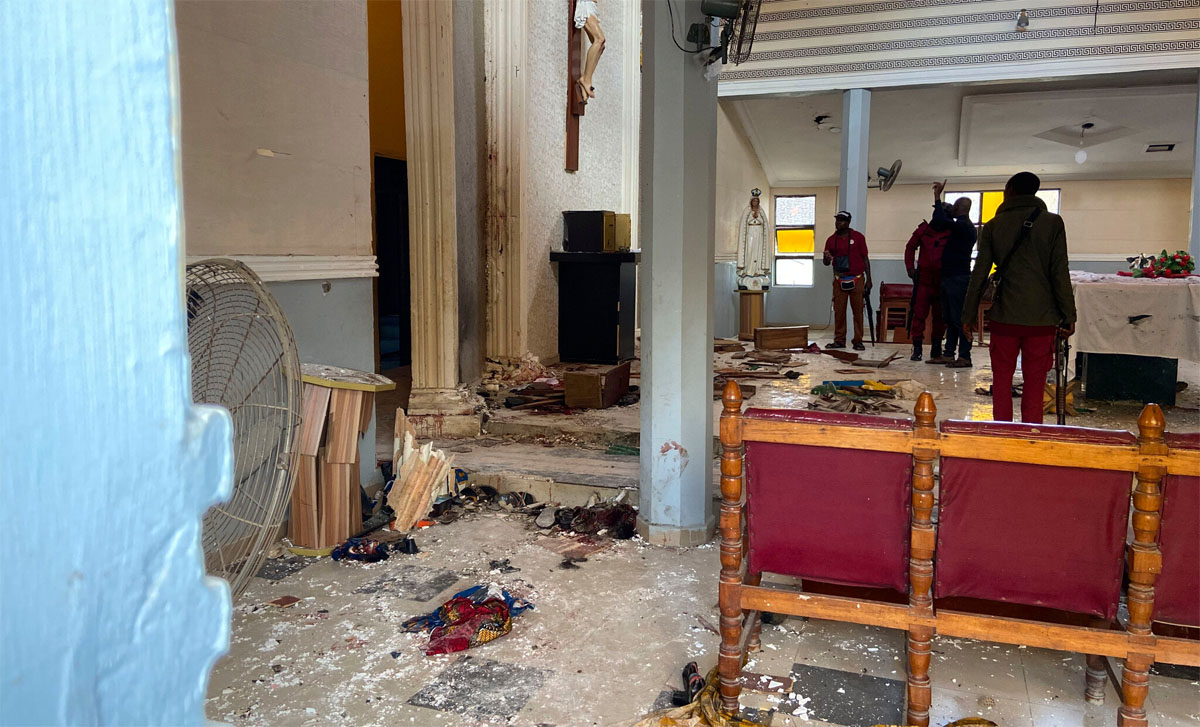
A Federal High Court in Abuja has sentenced four men to death by hanging for their roles in the horrific Owo Catholic Church attack that claimed dozens of lives and left scores injured, bringing a major terrorism trial that has gripped the nation for nearly four years to a close.
Justice Emeka Nwite delivered the judgment on Wednesday in charge number FHC/ABJ/CR/301/2025, ruling that the prosecution successfully proved the allegations against the defendants beyond reasonable doubt.
The four convicted men — Idris Abdulmalik Omeiza, 25, Al Qasim Idris, 20, Jamiu Abdulmalik, 26, and Abdulhaleem Idris, 25 — were found guilty on a nine-count terrorism charge filed by the Department of State Services (DSS) on behalf of the Federal Government.
The court subsequently sentenced all four defendants to death by hanging.
However, the fifth defendant, Momoh Otuho Abubakar, 47, was discharged and acquitted after the court held that the prosecution failed to establish sufficient evidence linking him to the attack.
Justice Nwite held that the convicted men were principal members of a terrorist cell that operated in parts of Kogi and Ondo states. According to the court, evidence presented during the trial showed that the group held planning meetings in Kogi and Ondo states on May 30 and June 4, 2022, before carrying out the deadly attack on St. Francis Xavier Catholic Church, Owo, on June 5, 2022.
The court found that the attackers stormed the church during a Pentecost Sunday Mass armed with AK-47 rifles and improvised explosive devices (IEDs), opening fire on worshippers and detonating explosives inside the church premises. The attack resulted in the deaths of at least 41 worshippers, while more than 140 others sustained varying degrees of injuries. Many victims were women and children who had gathered for the church service when the assailants struck.
READ ALSO:
- Poor Nigerians Are Primary Beneficiaries of Tinubu’s Reforms — Presidential Aide
- Portable Rejects EFCC Invitation Over Alleged Naira Abuse at Son’s Naming Ceremony
- Nnamdi Kanu: US Congress Calls for Diplomatic Engagement with Nigeria
The five defendants were arrested in August 2022 following extensive intelligence operations by security agencies. Investigators told the court that the suspects were tracked using geospatial network filtering technology, which helped isolate and analyse phone activities within the attack zone.
The prosecution presented substantial evidence during the trial, including confessional statements, digital forensic reports and electronic communications allegedly exchanged among the suspects before and after the attack. In total, the prosecution called 11 witnesses and tendered 23 exhibits to support its case.
One of the exhibits was a Tecno mobile phone recovered during investigations, which reportedly contained communications linking the defendants to the planning and execution of the attack.
Among the prosecution witnesses was a Catholic priest who gave a chilling account of the attack, describing how multiple explosives were detonated within the church during worship. Another eyewitness narrated how he survived by hiding inside a restroom with several children while gunfire and explosions erupted around the church building.
The testimonies painted a grim picture of one of the deadliest attacks on a place of worship in Nigeria’s recent history.
Lead prosecuting counsel, Ayodeji Adedipe (SAN), urged the court to impose the maximum penalty prescribed by law, arguing that the magnitude of the killings and destruction warranted the full weight of justice. On the other hand, defence counsel, Abdullahi Mohammed, asked the court to acquit all five defendants, insisting that the prosecution had failed to prove its case beyond reasonable doubt.
After reviewing the evidence and submissions from both parties, Justice Nwite ruled in favour of the prosecution and convicted the four defendants.
The Owo church massacre sparked widespread condemnation both within and outside Nigeria. The attack drew reactions from religious leaders, governments and international organisations across the world, including Pope Francis, United Nations Secretary-General António Guterres, the European Union and the United Kingdom government. The massacre shocked the nation and renewed calls for stronger measures to combat terrorism and violent extremism across Nigeria.
The judgment marks a significant milestone in the quest for justice for victims and survivors of the attack. For families who lost loved ones and those still living with the physical and emotional scars of the tragedy, the verdict represents a major legal victory in the fight against terrorism and impunity.
Although the convicted men retain the constitutional right to appeal the judgment, Wednesday’s verdict is being widely viewed as one of the most consequential terrorism convictions secured in Nigeria in recent years.
Owo Church Massacre: Court Sentences Four Terrorists to Death, Acquits One











metro
Farmers-Herders Clash in Abuja Leaves Three Dead as Houses, Shops Burn
Farmers-Herders Clash in Abuja Leaves Three Dead as Houses, Shops Burn
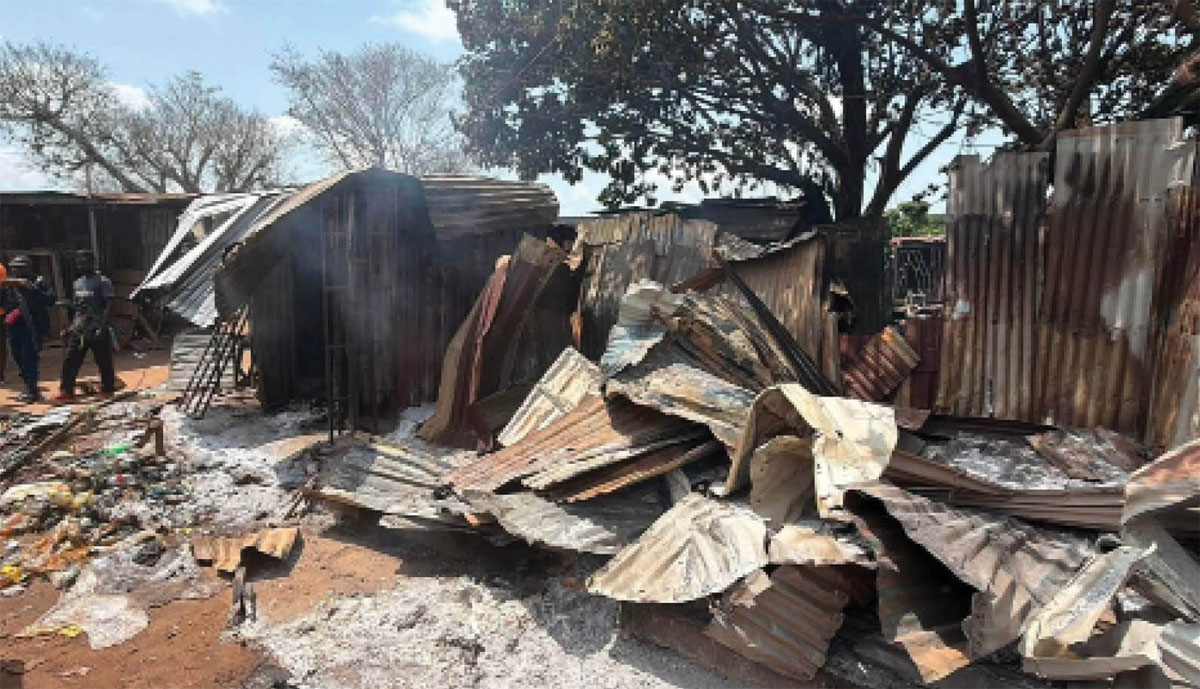
At least three people have reportedly been killed in a renewed farmers-herders clash in Paikon-Kore community, Gwagwalada Area Council of the Federal Capital Territory (FCT), with several others injured and properties destroyed.
The violence, which reportedly began on Saturday afternoon and continued until Sunday morning, October 18, left houses, shops and a motorcycle burnt, while goods in the affected shops were destroyed.
However, another report put the death toll at five, with eyewitnesses saying both farmers and herders were among those killed. The exact number of casualties had yet to be officially confirmed as of the time of reporting.
A resident, Danlami Ibrahim, said the latest confrontation began after cattle allegedly entered a groundnut farm containing crops that were yet to be harvested.
According to him, the farm owner confronted the herders, leading to an argument that escalated into violence. One of the herders allegedly attacked a farmer with a cutlass, severing one of his hands.
The incident reportedly triggered anger among residents and led to retaliatory attacks in which three herders were said to have been killed. Several other people sustained injuries and were taken to hospitals in Gwagwalada for treatment.
READ ALSO:
- Nollywood Mourns as Actress, Beauty Queen Tenia Abraham Dies at 32
- FG Challenges World Bank’s 124% Debt-to-Revenue Warning, Cites Rising Income
- Mbappé Runs Riot as Real Madrid Crush Sevilla 4-1 Ahead of El Clásico
The Secretary of the Miyetti Allah Cattle Breeders Association of Nigeria (MACBAN), Gwagwalada Area Council chapter, Mohammed Usman, confirmed that three herders had died, although he said he was still gathering information about the number of injured people.
Usman said he had informed the Gwagwalada Area Council chairman, Kasim Mohammed Ikwa, about the incident.
Ikwa visited the affected community on Sunday alongside the Divisional Police Officer, SP Aaron H. Kaura, and other security personnel. He condemned the violence and called on residents to remain calm.
The council chairman said a stakeholders’ meeting would be convened to address the crisis and identify ways to prevent further clashes. He urged farmers, herders, youths and community leaders to embrace dialogue and avoid retaliatory attacks.
Ikwa also advised farmers whose crops were damaged by cattle to report such incidents to security agencies rather than resort to self-help. He urged residents to cooperate with security personnel deployed to restore peace.
The FCT Police Command spokesperson, SP Josephine Adeh, had yet to publicly respond to enquiries about the incident as of the time of the report.
The latest violence follows previous confrontations in Paikon-Kore and neighbouring communities, including a clash in August that reportedly left a farmer with a severed hand and three other people with machete injuries.
Recurring disputes over cattle grazing, destruction of crops, access to farmland and grazing routes have fuelled tensions between farming and herding communities across parts of the FCT.
Herders have also complained about the encroachment of designated grazing areas by farms, housing estates and other developments, while farmers have repeatedly raised concerns about livestock entering their fields and destroying crops.
The Federal Government has identified the FCT as one of the priority areas for efforts to address farmers-herders conflicts. The Ministry of Livestock Development has also announced plans to work with the FCT Administration and pastoralist groups to rehabilitate grazing reserves and improve livestock management.
Security analysts have called for stronger early-warning systems, impartial law enforcement, compensation for damaged crops and effective mediation to prevent local disputes from escalating into deadly violence.
The latest clash has renewed concerns about the safety of rural communities around Abuja and the need for a lasting solution to recurring disputes between farmers and herders.
Farmers-Herders Clash in Abuja Leaves Three Dead as Houses, Shops Burn
metro
Ogun House Fire Horror: Husband Arrested After Wife Dies Following Domestic Dispute

Ogun House Fire Horror: Husband Arrested After Wife Dies Following Domestic Dispute
Police in Ogun State have arrested a 56-year-old man, Madarikan Emehinola, following the death of his 40-year-old wife, Igbagbo Erobe, in a house fire in Igbo-Edu, Ogun Waterside Local Government Area.
The incident, suspected to be a case of arson, reportedly occurred at about 8:30pm following a domestic dispute, according to an eyewitness quoted by PUNCH Metro.
The Ogun State Police Command said the incident was reported at the Abigi Divisional Police Headquarters on Sunday, October 18, 2026, after information was received that a residential building had been set ablaze, resulting in the woman’s death.
The suspect was subsequently arrested as investigators began efforts to establish the circumstances surrounding the tragedy.
The eyewitness account suggests that the fire occurred after a disagreement between the couple. However, the precise sequence of events leading to the fire, the cause of the blaze and whether it was deliberately set have yet to be conclusively established by the police.
The deceased’s body has been deposited at a mortuary for a post-mortem examination to help determine the cause of death and provide further evidence for the investigation.
READ ALSO:
- NLC, Falana Mobilise Nigerians Against Petrol Price Hike, Mount Pressure on Tinubu Govt
- Buhari Feared Tinubu Presidency, Resisted Pressure to Back Him – Baba-Ahmed Claims
- NAFDAC Probes Corps Member’s Death at Enugu Camp as Fake Drug Claims Emerge
The police said the case was being processed for transfer to the State Criminal Investigation Department (SCID), Eleweran, Abeokuta, for a more detailed investigation.
The Commissioner of Police in Ogun State, Bode Ojajuni, assured residents that the matter would be investigated thoroughly and professionally in accordance with the law.
He reiterated the command’s commitment to protecting lives and property and ensuring that allegations involving serious crimes receive appropriate investigative attention.
The police also urged members of the public to report suspicious activities and provide credible information that could assist investigators in establishing what happened.
Although the incident is being investigated as suspected arson, the available information has not conclusively established how the fire started or the motive behind it. The eyewitness account of a domestic dispute is an allegation that investigators will need to examine alongside other evidence.
The outcome of the post-mortem examination and further police inquiries is expected to provide additional information about the woman’s death.
The suspect’s arrest does not establish guilt. He remains entitled to due process as investigators work to determine the circumstances surrounding the fatal fire.
Ogun House Fire Horror: Husband Arrested After Wife Dies Following Domestic Dispute
metro
NAFDAC Probes Corps Member’s Death at Enugu Camp as Fake Drug Claims Emerge

The National Agency for Food and Drug Administration and Control (NAFDAC) has launched an investigation into the death of Etimbuk Daniel, a National Youth Service Corps (NYSC) member who died at the Awgu Orientation Camp in Enugu State, following allegations that substandard or falsified medicines may have contributed to his death.
The agency said it had collected samples of the medicines administered to the deceased for laboratory analysis as part of efforts to establish the circumstances surrounding the incident.
NAFDAC Director-General, Professor Mojisola Adeyeye, disclosed that the agency’s officers had visited the camp clinic, interviewed medical personnel and other workers, and taken samples of the drugs for further investigation.
The investigation comes amid public concern over the circumstances surrounding Daniel’s death and questions about the quality of medical care available to corps members during their mandatory three-week orientation programme.
According to NAFDAC’s preliminary account, Daniel was brought to the camp clinic by two fellow corps members at about 9pm on Wednesday, October 7, 2026, with symptoms suggestive of severe malaria. The agency also stated that he had a history of peptic ulcer disease.
He was reportedly stabilised with an intramuscular antimalarial drug and other supportive medications administered intravenously before being placed on bed rest for observation.
NAFDAC said he was discharged on the morning of Thursday, October 8, with oral medications after receiving treatment.
However, Daniel returned to the clinic unaided on Saturday, October 10, complaining of pain in his right thigh. He was reportedly advised to consult a physiotherapist.
READ ALSO:
- Kano: Soldiers Kill Two Kidnappers, Rescue Victim, Recover ₦10m
- Oyo Baby Trafficking Scandal: Mother, Doctor Arrested Over Alleged ₦2m Sale of Infant
- Nairobi Mother Says Husband Abandoned Her During Childbirth, Paid Dowry for Another Woman
His condition subsequently raised concern when the attending doctor noticed that he was sweating profusely. A check of his blood pressure reportedly showed a critically low reading of 80/40mmHg.
The agency said he received intravenous normal saline to stabilise his condition, but repeated monitoring showed persistent episodes of low blood pressure.
His poor urine output, despite fluid treatment, prompted the medical team to refer him to the University of Nigeria Teaching Hospital (UNTH), Ituku-Ozalla, Enugu State.
He was transported in an ambulance accompanied by another doctor but reportedly slipped into a coma around the time he arrived at the hospital. Efforts to resuscitate him were unsuccessful.
NAFDAC further disclosed that a friend of the deceased later informed the camp clinic doctor that Daniel had been vomiting for two days after his initial admission. The doctor was reportedly unaware of the development while treating him.
According to the agency, the doctors’ preliminary assessment suggested that Daniel died from acute kidney injury secondary to severe dehydration and shock. However, the investigation and laboratory analysis are expected to provide further information about the circumstances of his death.
Addressing allegations that fake or substandard medicines caused the tragedy, NAFDAC said the same medications had been administered to other patients at the camp, who reportedly recovered after treatment. It added that doctors, pharmacists and other healthcare workers at the clinic had prescribed or used the medicines themselves at different times.
The agency’s statement did not include the results of any laboratory tests, and its preliminary account does not constitute a final determination of whether the medicines contributed to Daniel’s death.
NAFDAC urged members of the public to remain calm while the investigation continues, assuring Nigerians of its commitment to ensuring that medicines available in the country are safe, effective and of acceptable quality.
Meanwhile, the Senate has ordered a separate investigation into Daniel’s death and the state of medical facilities and emergency healthcare services at NYSC orientation camps nationwide.
The resolution followed a motion of urgent public importance sponsored by Senator Aniekan Bassey, who represents Akwa Ibom North-East Senatorial District.
The Senate directed relevant committees to investigate the circumstances surrounding the death in collaboration with the Nigeria Police Force and the Department of State Services.
The lawmakers are also expected to examine the adequacy of medical infrastructure, emergency response arrangements and referral procedures at orientation camps, with a view to preventing similar incidents.
Daniel, who hailed from Akwa Ibom State, was the immediate past president of the Students’ Union Government of Akwa Ibom State University. His death has drawn attention to the responsibility of the authorities to provide adequate healthcare and emergency support for young Nigerians participating in the national service scheme.
The outcome of the NAFDAC investigation, including the laboratory analysis of the collected medicine samples, is expected to help clarify the role of the drugs, if any, in the incident.
NAFDAC Probes Corps Member’s Death at Enugu Camp as Fake Drug Claims Emerge
-

 metro2 days ago
Suspended Archbishop Ibezim Drags Anglican Primate to Court, Challenges Six-Month Leave
-

 Entertainment3 days ago
ToluwaniSings’ Final Hours: Aide Reveals Desperate Search Across 8 Hospitals
-

 Politics3 days ago
2027: Kwankwaso Signals Fuel Subsidy Comeback as NDC Vows to Crash Petrol Prices
-

 Sports3 days ago
Real Madrid Demand Tebas’ Exit After Explosive Nazi Propaganda Row
-

 metro2 days ago
Imodi-Ijebu Muslim Community Bets on 20 Chiefs to Drive Education, Economic Growth
-

 metro2 days ago
NAPTIP Raises Alarm as Parents Allegedly Trade Children for Sex, Arrests Woman in Abuja
-

 metro3 days ago
Osun Murder: Three Arrested as Police Recover Weapons, Link Suspect to Earlier Killings
-
 metro3 days ago
NAF Deploys Pumps in Desperate Push to Recover Submerged Aircraft After Crash Killed 25