

metro
Sacked CBN workers challenge their disengagement in court
Sacked CBN workers challenge their disengagement in court
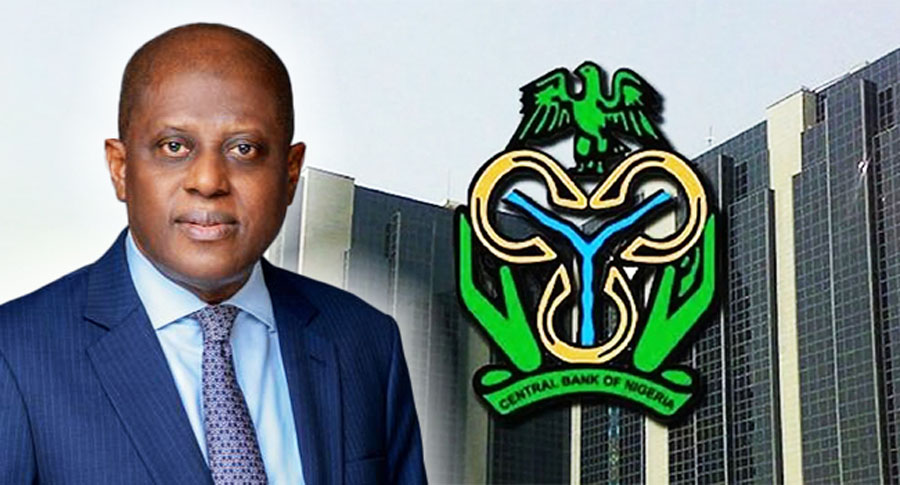
Some officials of the Central Bank of Nigeria whose appointments were terminated in March this year under the leadership of the Governor, Yemi Cardoso, have dragged the apex bank to the National Industrial Court.
The ex-CBN officials, through their lawyers Isa Mohammed and Associates, are challenging the legality of their termination of appointment and demanding that the court reinstate them as their sacking was not done in line with the Human Resources Policies and Procedures Manual of the CBN.
Newstrends had in May this year reported that fourteen directors of the apex bank and over 300 other officials of the CBN were sacked by the bank.
The sacking brought the list of those so far disengaged from the bank under the CBN Governor, Olayemi Cardoso to over 500.
The mass sacking cuts across 29 departments, affecting all cadres from directors to deputy directors, assistant directors, principal managers, senior managers and lower-ranking staff like executive trainees.
Most of the members of staff affected were branch operations officials across the 36 branches in the 36 states of the federation and the headquarters in FCT.
Some of those who were earlier transferred from the headquarters to the branches were affected by the latest action, as they received their disengagement letters through emails.
A sample of the termination letter read, “In line with our new mission and vision, the Bank is currently undergoing a significant organizational and human capital restructuring process.
“As a result of this review, I have been directed to notify you that your services will not be required with effect from Friday, 24th May 2024. Your final entitlements will be calculated and paid to you in due course.”
But in the court affidavit dated October 21, 2024, which was obtained by THE WHISTLER, the workers claimed that they were unjustly sacked at a time when some of them had about seven years to their retirement date.
Part of the affidavit reads, “That it is the case of the claimants/applicants that the Unlawful termination of their appointment was not done for the alleged high-sounding phrase” on the grounds of reorganization and human capital restructuring.”
READ ALSO:
- Lagos teacher accused of sexually abusing student, aborting pregnancies
- We’re settling out of court with NNPC, others — Dangote
- EFCC re-arraigns ex-Kwara Governor Ahmed over N5.78bn fraud
“That the Claimants/Applicants state that the defendant/respondent has advertised the position of Directors skewed in such a way that all the Positions of Directors of the various Departments the Claimants/Applicants were heading as Directors, having late 2023 moved them to the FSS2020, a waiting point created by the Management of the Defendant/Respondent, for possible recruitment, even when the matter of unlawful termination of the Claimants/Applicant from the employ of the defendant/respondent is in Court and yet to be determined.
“That the claimants’/Applicants state that the letters issued to them on the 15th of March, 2024 by which the defendant/Respondent determined/terminated their employment was done contrary to the conditions of service.
“That the Claimants/Applicants state that their respective letters of employment specifically stated that their employment is subject to the conditions of service in force in the defendant/respondent from time to time. That the claimants/applicants state that payment in lieu of notice can only be paid to them on termination/determination of appointment after full.”
The Claimants/Applicants’ also stated through their counsel that they were discriminated against by the Defendant/Respondent, denied a fair hearing and were never queried for any act of misconduct by the Defendant before the determination of their respective appointments.
In the court document, the ex-CBN staff members also claimed that the action of the apex bank in advertising the vacancies of Directors, even when the matter is in Court, is an act of witch-hunt, which was done in bad faith and total disregard for its conditions of service and the Rule of Law.
Part of the court document reads, “The Claimants/Applicants’ states that the action of the Defendant/Respondent in advertising the vacancies of Directors, even when the matter is in Court, is an act of witch-hunt, which was done in bad faith and total disregard of its conditions of service and the Rule of Law.
“The Claimants/Applicants state that the Conditions of Service guarantee that in all cases of discipline, the relevant disciplinary Committee shall give a staff member against whom an allegation is made the opportunity to defend herself/himself.
“Sequel to the facts above, the Claimants/Applicants have initiated an action through their lawyers by way of a concurrent writ against the defendants seeking for reliefs as contained on the main suit.
“Unless the defendant is restrained by this Honorable court, it will destroy the subject matter of this suit and that will render the subject matter nugatory. Unless this application is granted, the claimants/Applicants will suffer further serious and grievous injustice.”
Sacked CBN workers challenge their disengagement in court








metro
Bauchi Mosque Removes Imam After Tinubu Campaign, Rejects Proposal to Rename Mosque
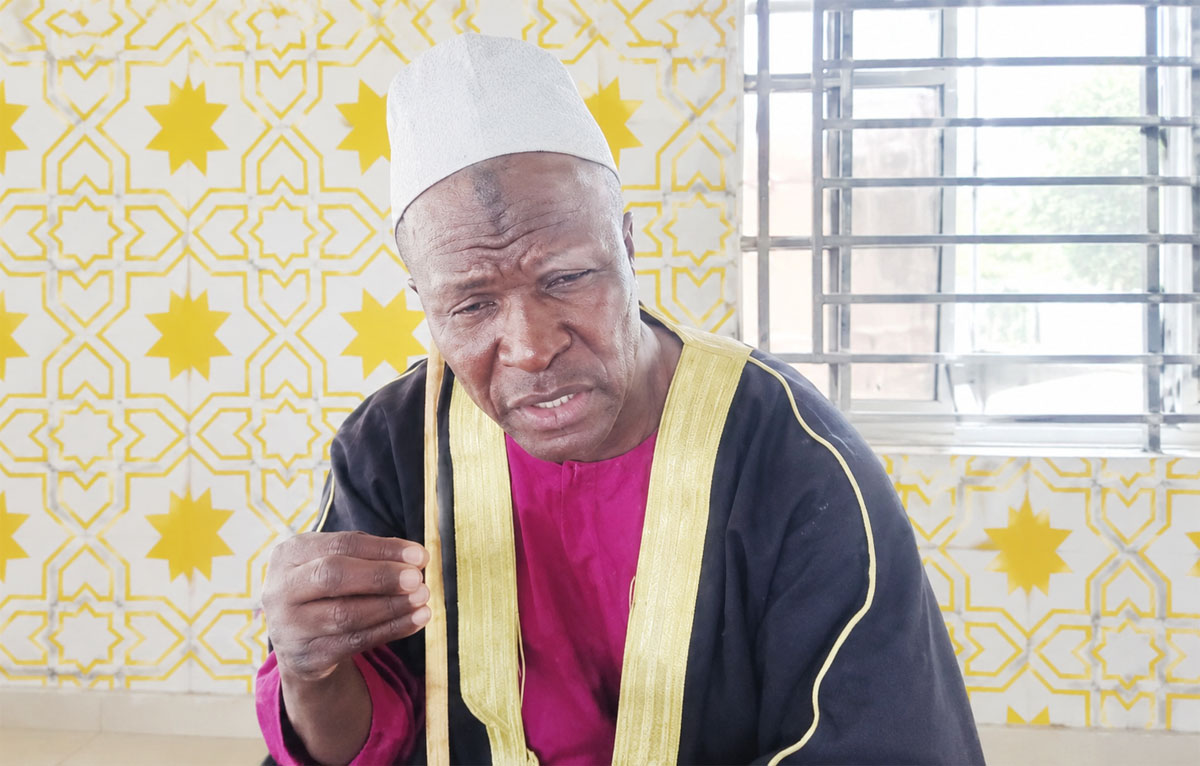
A mosque committee in Bauchi metropolis has removed Imam Dahiru Abubakar after he repeatedly urged worshippers to support President Bola Ahmed Tinubu’s re-election bid in 2027, triggering a dispute over the use of religious institutions for partisan political activities.
Abubakar served as the imam of Masjid Abdullahi Bin Zubbair in Madina Quarters, Bauchi, where he reportedly used sermons delivered after obligatory prayers to defend Tinubu’s administration against criticism over insecurity and economic hardship.
The cleric argued that the country’s challenges should not be blamed entirely on the President, describing insecurity and economic difficulties as problems requiring divine intervention, prayer and greater fear of God.
He also urged worshippers to give Tinubu another opportunity in the 2027 presidential election, maintaining that the country’s problems could not be resolved simply by blaming political leaders.
The disagreement reportedly intensified after Abubakar repeated his political messages following the early morning Subhi prayer on Sunday, October 18, 2026, despite previous warnings from the mosque committee.
Abubakar defended his position, saying his preaching was intended to encourage Nigerians to pray for the country rather than continually blame leaders for its difficulties.
“My preaching centred on telling people to embrace fear of God and stop blaming leaders for the insecurity,” he said, according to reports.
He cited security challenges in other African countries, including Sudan, Chad and Mali, questioning whether Tinubu could be held responsible for crises in those nations.
The imam maintained that he had encouraged worshippers to stop criticising Tinubu over insecurity and economic hardship and to support his administration for another term.
However, the mosque committee said the decision to remove him was not based solely on his political views but also on his alleged attempts to turn the mosque into a venue for political gatherings.
The committee’s chairman, Imam Abubakar Jibrin, confirmed the removal, explaining that the management had cautioned Abubakar several times against bringing partisan political activities into the mosque.
Jibrin alleged that the imam had been gathering people inside and outside the mosque to discuss politics despite repeated warnings. He said the committee considered the practice inappropriate for a place primarily dedicated to worship.
“We vehemently rejected the use of the mosque for political meetings,” Jibrin said, adding that the committee had repeatedly appealed to the imam to stop the practice.
According to the chairman, the committee’s position was that political meetings and campaign activities should take place at designated political venues rather than within mosque premises.
Jibrin also disclosed that the committee had convened discussions to address the matter before deciding to remove Abubakar. He indicated that the decision was final and that the former imam would not be reinstated.
Another major point of disagreement was the reported proposal to rename the mosque after Tinubu.
Jibrin said Abubakar had pushed for the mosque’s name to be changed from Masjid Abdullahi Bin Zubbair to Masjid Imam Bola Ahmed Tinubu. The committee unanimously rejected the proposal, insisting that the mosque belonged to the community and that its name should remain unchanged.
The chairman maintained that the committee was not campaigning for or against any presidential candidate but was determined to prevent the mosque from becoming a platform for partisan political mobilisation.
He suggested that anyone wishing to use a mosque exclusively for political activities should establish or acquire a separate facility rather than impose such an agenda on a community-owned place of worship.
The development has drawn attention to the debate over the role of religious leaders in Nigeria’s political process as preparations for the 2027 general elections gather momentum.
While religious leaders have the right to discuss governance and national challenges, the Bauchi incident highlights the tensions that can arise when sermons are perceived as direct endorsements of a political candidate.
Tinubu’s re-election ambition has generated differing reactions among religious leaders and political groups, with supporters defending his administration and critics pointing to insecurity, economic hardship and the rising cost of living.
The Bauchi mosque committee’s decision reflects its stated position that the mosque should remain focused on worship rather than serve as a venue for political meetings or campaign activities.
For Abubakar, however, his defence of Tinubu was rooted in his belief that prayer and faith were essential to addressing Nigeria’s challenges and that the President should not be blamed for every difficulty confronting the country.
The dispute leaves the mosque’s management and the former imam with sharply different views about the boundaries between religious preaching, political expression and the administration of community-owned places of worship.
Bauchi Mosque Removes Imam After Tinubu Campaign, Rejects Proposal to Rename Mosque
metro
Shettima Blasts States Over Power Woes, Says Govs Must Stop Waiting for Abuja
Shettima Blasts States Over Power Woes, Says Govs Must Stop Waiting for Abuja
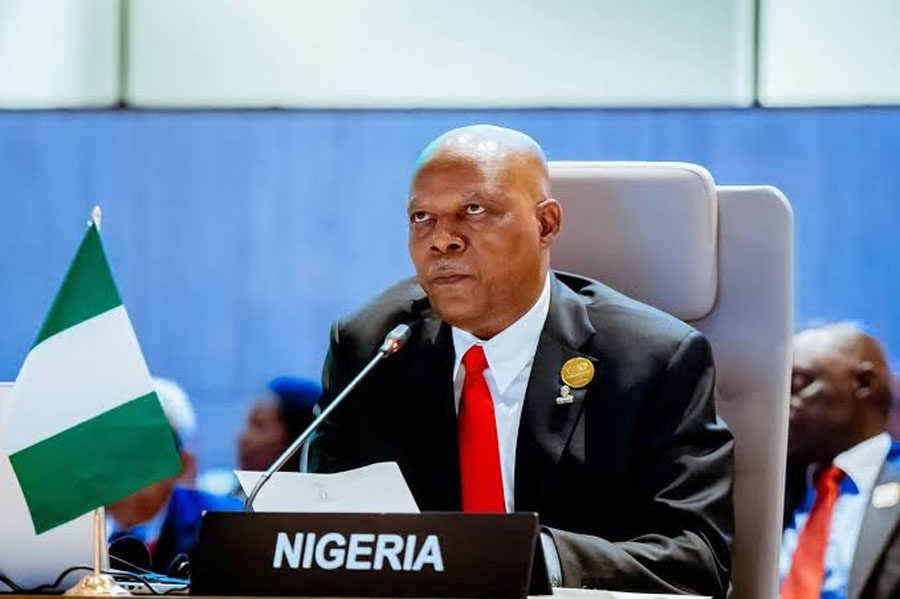
Vice-President Kashim Shettima has challenged state governments to take responsibility for addressing electricity problems in their jurisdictions, urging them to stop depending on the Federal Government for solutions and establish functional power markets.
Shettima made the call on Wednesday while declaring open the National Stakeholders’ Workshop on the Electricity Act 2023 at the State House Banquet Hall, Presidential Villa, Abuja.
Represented by the Deputy Chief of Staff to the President, Senator Ibrahim Hadejia, the Vice-President said Nigeria’s ambition to build a competitive industrial economy would remain constrained unless electricity reforms delivered reliable power to businesses, households and public institutions.
He said the Electricity Act 2023 had created an opportunity for states to decentralise electricity governance and develop power markets that reflect their economic needs and available energy resources.
“Electricity supply must become a shared responsibility, pursued with innovation and accountability across the Federation. Our States must shed the habit of waiting for Abuja to provide every answer,” he said.
Shettima identified the country’s diverse energy resources as an opportunity for states to expand electricity access and attract investment. He cited the solar energy potential of Sokoto, Borno and Katsina states, the gas resources of Delta, Rivers and Bayelsa states, and the hydroelectric opportunities in Niger and Kebbi states.
READ ALSO:
- Fourth Gas Leak in Six Months: Over 100 Ogun Pupils Hospitalised, Schools Shut as Parents Panic
- Nigerian Journalist Sentenced to 4 Years Over Facebook Post Criticising Police
- Hyundai Unveils Mufasa, Grand Creta SUVs to Strengthen Nigeria Line-up (Updated)
He urged governors to harness these resources to support agriculture, manufacturing, healthcare, education and other economic activities.
The Vice-President also warned that passing laws alone would not improve electricity supply, insisting that states must establish the institutions needed to regulate and manage their electricity markets effectively.
“Legislation cannot implement itself. States yet to act must begin their legislative and institutional preparations promptly. They need to establish functional electricity regulatory bodies with technical competence and capacity,” he said.
To accelerate implementation, Shettima proposed a voluntary National Electricity Reform Peer Review and Implementation Framework involving the Nigerian Electricity Regulatory Commission (NERC), the Federal Ministry of Power, the Nigeria Governors’ Forum and state electricity regulators.
The proposed framework would allow states to exchange experiences, strengthen regulatory capacity and assess their progress in electricity market development, investment readiness, consumer protection and access to electricity.
He said periodic reviews would help identify implementation challenges, encourage technical assistance and enable states to learn from jurisdictions that had made progress, without undermining their constitutional powers.
Shettima further stressed that government funding alone could not finance the transformation required in the electricity sector, calling for greater participation by private investors.
He said transparent licensing procedures, predictable regulations, commercially viable electricity markets, investment safeguards and credible dispute-resolution mechanisms would help build investor confidence.
The Vice-President also called for stronger consumer protection, warning against arbitrary billing, poor service delivery and unfair commercial practices. He maintained that electricity operators must be held accountable for the quality of service provided to consumers.
“The final verdict on this law will be delivered wherever a Nigerian reaches for a switch,” he said, stressing that the success of the reforms should ultimately be measured by improvements in electricity supply and the daily lives of Nigerians.
Meanwhile, the Director-General of the Nigeria Governors’ Forum, Abdulateef Shittu, said the forum was working on a standard tariff framework for state electricity markets, with the aim of protecting consumers while encouraging investment.
The Head of Compliance at NERC, Hauwa Yakubu, disclosed that the commission had issued regulatory transfers to 17 states, allowing them to assume regulatory responsibilities for electricity markets within their territories.
She said the commission was supporting emerging state regulators through technical engagement and peer-to-peer training.
Signed into law by President Bola Ahmed Tinubu in June 2023, the Electricity Act 2023 provides a framework for states to regulate electricity generation, transmission and distribution within their jurisdictions, subject to the applicable constitutional and statutory provisions. The national regulator retains oversight of electricity matters that fall within federal jurisdiction.
The law is expected to encourage competition, attract investment and expand electricity access. However, its impact will depend on effective implementation, functioning regulatory institutions and the ability of state governments to develop sustainable electricity markets.
Shettima Blasts States Over Power Woes, Says Govs Must Stop Waiting for Abuja
metro
Fourth Gas Leak in Six Months: Over 100 Ogun Pupils Hospitalised, Schools Shut as Parents Panic
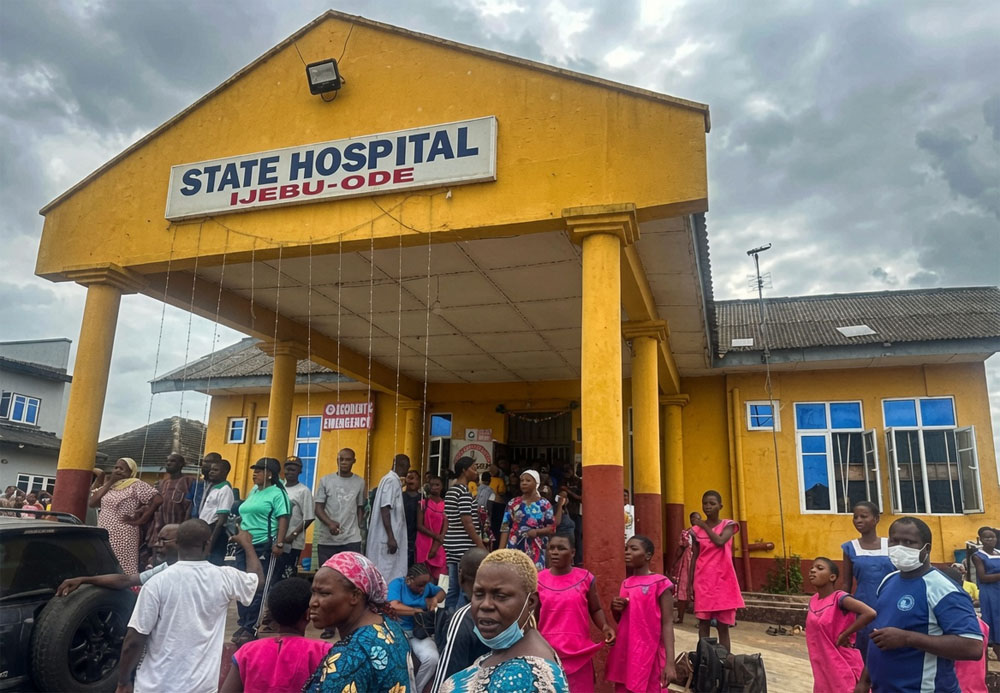
Fourth Gas Leak in Six Months: Over 100 Ogun Pupils Hospitalised, Schools Shut as Parents Panic
-

 metro2 days ago
Army Major, Soldiers Killed in ISWAP Ambush in Yobe State
-

 metro1 day ago
‘We Don’t Know What Else to Do’ — Mother Begs for Release of Abducted Children
-
 metro1 day ago
Atiku: US Lobbying Firm Raises Alarm Over Alleged Assassination Plot
-
 metro2 days ago
Breaking: Afenifere Leader Pa Fasoranti Dies at 100
-

 metro22 hours ago
Five Arraigned Over Kidnapping of 20 Prospective NYSC Members in Imo
-

 metro2 days ago
‘I Never Asked Them to Abandon Loved Ones’ — Obi Clarifies Diaspora Remarks
-

 Auto1 day ago
Beyond the Showroom: Why After-Sales Service Will Define Auto Industry Winners
-
 News24 hours ago
Mexico Clears Reno Omokri as Nigeria’s Ambassador After Eight-Month Wait