

Business
Travellers Stranded As Dollar Shortage Hits Banks

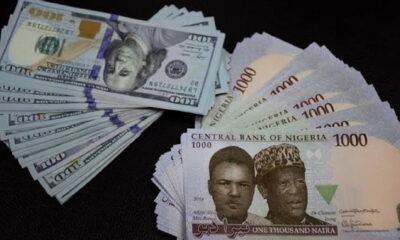
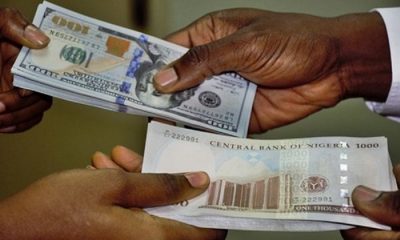
Nigerians are finding it increasingly difficult to access the United States dollar at the Central Bank of Nigeria’s official rate for eligible transactions, Daily Trust findings revealed.
Worse affected are those travelling abroad who are experiencing delays in accessing Business Travel Allowance (BTA), Personal Travel Allowance (PTA) and monies to pay for medicals and others.
Parents are also affected as they are finding it difficult to access the dollar for remittances of school fees and upkeep allowances for their children.
Forces behind the shortage
Daily Trust investigations revealed that it is extremely difficult to access the dollar because the demand far outweighs supply, forcing some banks to extend the request period for PTA/BTA from two weeks to eight weeks.
But other sources said the CBN had tightened the processes of getting the dollar because some unpatriotic Nigerians have been abusing the process.
A source said investigations by the apex bank showed that many people had no plan to travel anywhere or to remit money abroad for legitimate purposes but yet forge papers and apply for the foreign currency only for them to hoard it or sell it at the parallel market.
READ ALSO:
- FG won’t resume Abuja-Kaduna train service until all abducted passengers are freed – Minister
- Terrorists release professor, four other abducted train passengers
- FG, auto CEOs meet in Abuja Thursday on industry challenges
Recall that the CBN had deployed an electronic Form ‘A’ to expedite applications for PTA/BTA, medicals, education and other remittances.
The CBN assured Nigerians that all legitimate requests for foreign currency for eligible transactions would be fully met at the official exchange rate.
However, Stanbic IBTC Bank recently sent a message to its customers stating that it requires six to eight weeks before it can process the request for dollars.
“To serve you better, please be informed that we now require six to eight weeks to process your FX needs for international school fees, upkeep and medical payments. This will enable us to review your requests in line with regulatory requirements and ensure that we can source for FX to fulfil them,” it stated.
A visit to a branch of Polaris Bank on Gimbiya Street in Abuja and First Bank in Asokoro showed that customers have been in the waiting queue for more than 3 weeks
In Kano, many students and people on medical and business trips looking for official forex from banks narrated that they have been experiencing difficulties in getting dollars since the introduction of the new strategy.
They alleged that there were middlemen always working within the banks who were complicating the process thereby leading to difficulties.
Travellers narrate ordeal
Abdullahi Ahmad who had finished his preparations and the requirements to travel to Dubai for medicals said he could not get the $4, 000 he applied for over two weeks.
“I have only two weeks for my Dubai Visa to expire and yet I didn’t get the dollar from my bank. When I contacted my elder brother, he then contacted a bank manager, who later promised to give me $4,000 at the end of this week. But that is not enough, she (the bank manager) said I have to pay N340, 000 as a kickback to be able to get the money,” he said.
He said although he accepted to pay that amount, he was not sure of getting the money as his visa expiration date was fast approaching.
A marketer at the BDC market in Kano, who chose not to be named, said the banks have crippled their businesses and forced the dollar to be scarce leading to the high exchange rate in the parallel market.
He alleged that the banks now only give dollars to people who add a huge amount of money, adding that it has led to the hike in the price.
We’re battling fake applications – Banks
A top source in one of the banks in Lagos, who does not want his name in print, said the scarcity has led to rationing.
“It is an open secret that we have shortage but we are trying as much as possible to meet genuine demand of people. So, we prioritise from the most critical as we can’t meet all the demand. We look out for the most urgent need,” he said.
He said the banks also have to battle fake applications in some instances.
“Many of the applicants are not going anywhere but they use different methods to apply for the dollar,” another banker said.
“You see them forging medical records, fake admission letters and others all in an effort to deceive us and get the scarce currency,” he said.
Asked if there was any way to solve the problem, he said, “The most important thing is to encourage export so that our earnings would increase. The federal government and the security agencies must also put some measures to track and prosecute offenders.”
However, Mavis Ikpeme via her Twitter handle, @mavisikpeme, lamented the difficulties in getting PTA/BTA from banks, noting that Nigerians were forced to patronise the black market.
“You can’t even file for PTA/ BTA from banks. Nigerians travelling are forced to patronise the black market. You can hardly cash USD from a dorm account too. Is the CBN not aware of these atrocities perpetrated by banks? These are part of the issues?” she said.
Another user, Olayinka Biu, accused banks of deliberately frustrating genuine applicants for PTA while making dollars available for Bureaux De Change.
“The actual problem is genuine applicants for PTA are not getting it. With excuses of dollars not being available or the queue being so long it couldn’t get to your turn before your travel date. Meanwhile, BDC agents are getting dollars directly from these banks,” she posted via her handle, @olayinkaBiu
We’re tackling the menace – CBN
The CBN has however assured that it was tackling the scarcity nightmare, even as it advised against succumbing to the speculative activities of some players in the exchange market.
The Director, Corporate Communications at the CBN, Mr Osita Nwanisobi said the apex bank remained committed to resolving the foreign exchange issues confronting the nation and as such has been working to manage both the demand and supply side challenges.
While admitting that there was huge demand pressure for foreign exchange to meet the needs of manufacturers as well as those for the payment of tuition, medical fees and other invisibles, Nwanisobi said the CBN was concerned about the international value of the naira, adding that the monetary authority was strategising to help Nigeria earn more stable and sustainable inflows of foreign exchange in the face of dwindling inflows from the oil sector.








Auto
Hyundai Unveils Mufasa, Grand Creta SUVs to Strengthen Nigeria Line-up (Updated)
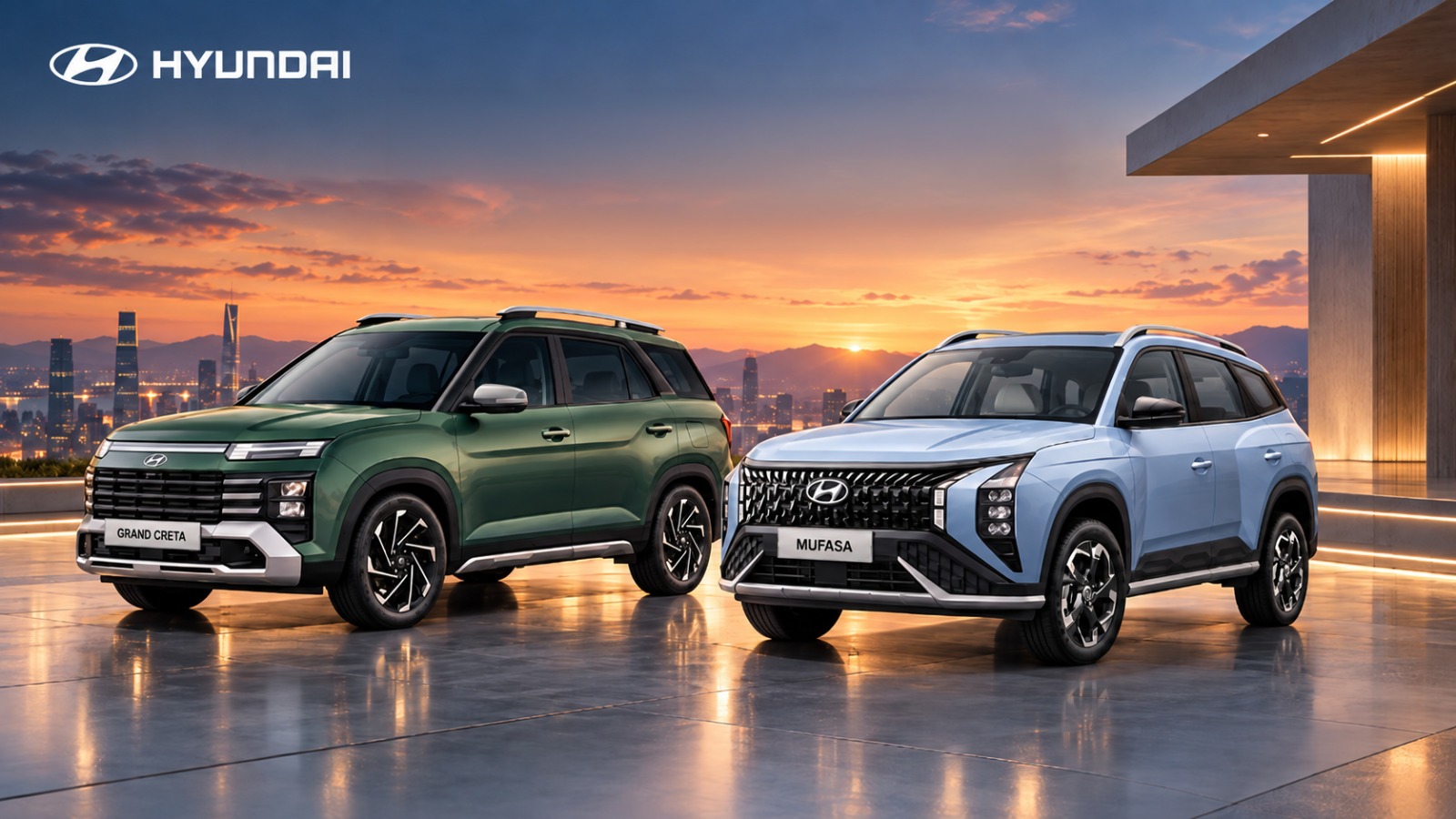
Hyundai Unveils Mufasa, Grand Creta SUVs to Strengthen Nigeria Line-up (Updated)
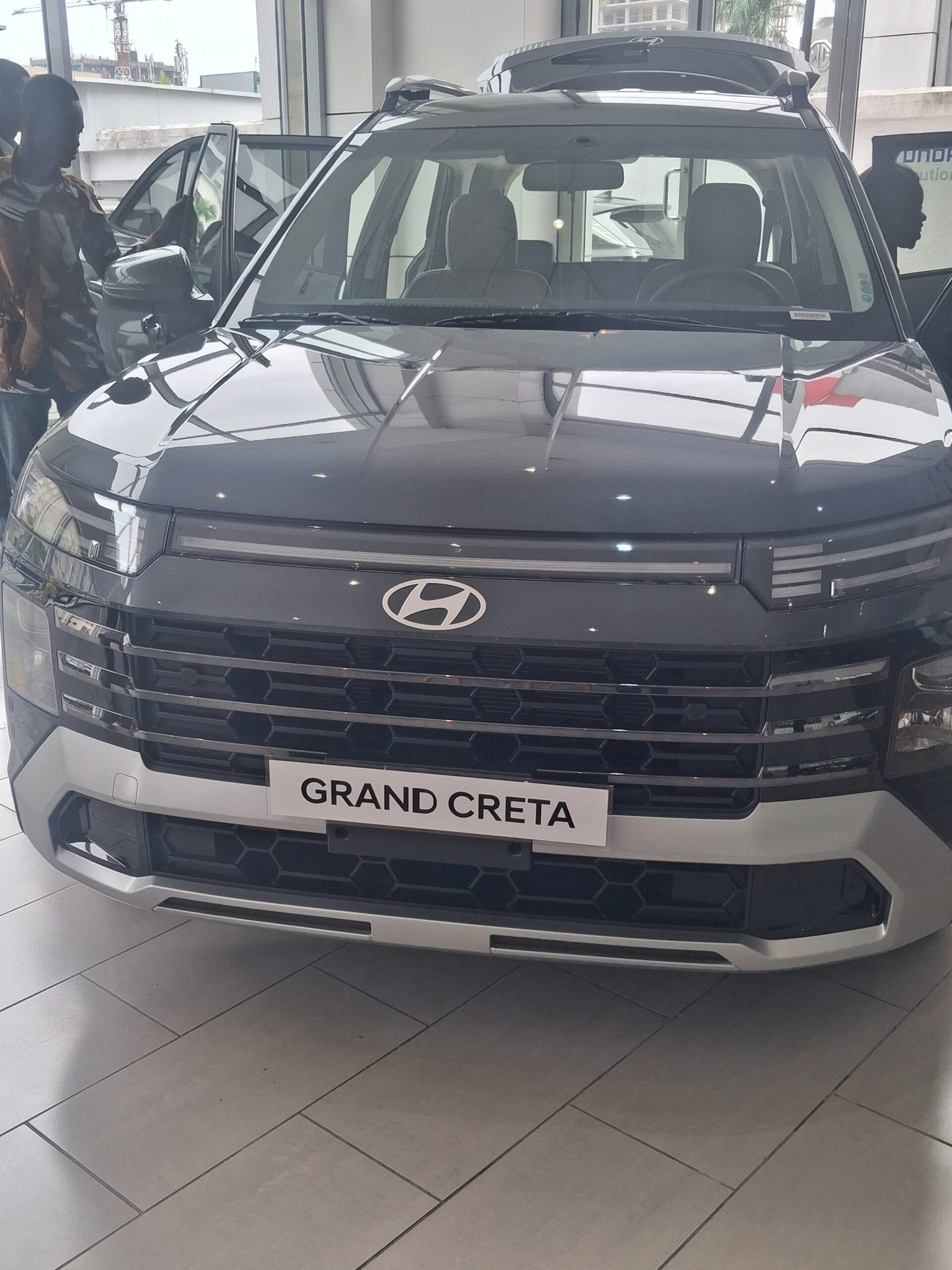
Hyundai Motors Nigeria has expanded its sport utility vehicle (SUV) range with the introduction of the all-new Mufasa and Grand Creta, offering Nigerian motorists more choices in styling, performance, technology and passenger comfort.
The two models, unveiled in Lagos on Wednesday, are targeted at different customer segments, with the Mufasa designed for motorists seeking a stylish, five-seater SUV, while the Grand Creta offers a three-row, seven-seater configuration suited to larger families and customers requiring additional passenger space.
The launch underscores Hyundai’s efforts to strengthen its presence in Nigeria’s competitive automotive market, where demand for versatile vehicles that combine comfort, safety, performance and practicality continues to shape consumer preferences.
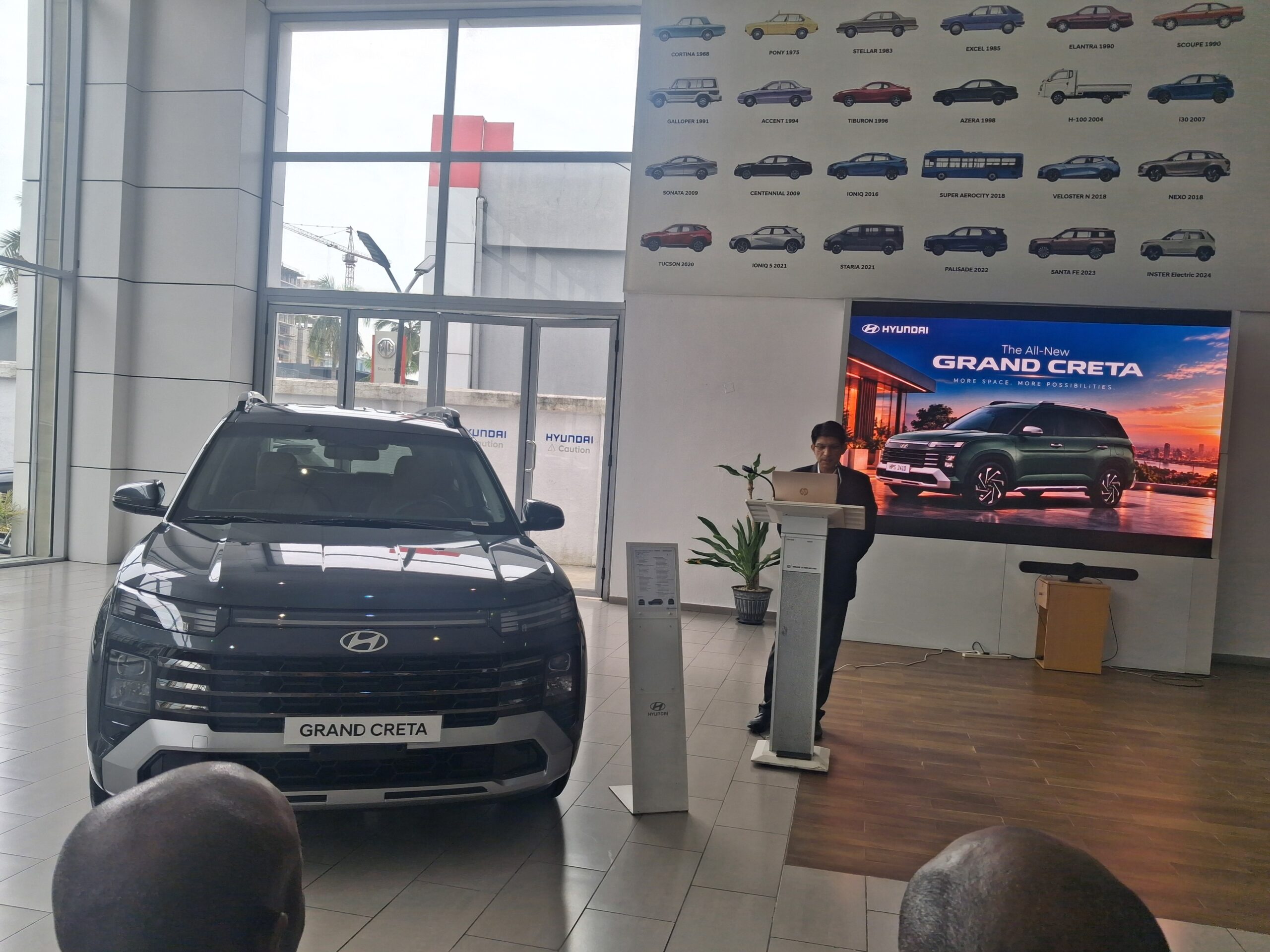
Speaking at the launch, Hyundai Motors Nigeria’s General Manager, Sales and Marketing, Mr Gaurav Vashisht, said the new models reflected the company’s commitment to providing vehicles that meet the changing needs of Nigerian customers.
“The SUV segment continues to attract strong interest in Nigeria, as customers increasingly prioritise comfort, safety, technology and versatility,” Vashisht said.
He also gave a rundown of the two new vehicles’ features even as he stated that the Mufasa and Grand Creta were designed to meet different lifestyle requirements while maintaining Hyundai’s global standards of quality and innovation.
Mufasa targets style-conscious motorists
The Hyundai Mufasa combines bold exterior styling with a spacious cabin and features designed for everyday driving. Its distinctive front grille, signature LED lighting and muscular bodywork give it a commanding road presence.
Power comes from a 2.0-litre Smartstream multipoint fuel injection (MPi) petrol engine paired with a six-speed automatic transmission. Depending on the market specification, the engine produces approximately 150–160 horsepower and 193Nm of torque.
The five-seater SUV measures about 4,475mm in length, with a 2,680mm wheelbase, providing room for passengers and luggage while retaining a practical footprint for urban driving and longer journeys.
Its cabin features a modern dashboard, digital displays and storage spaces, while available equipment, depending on the variant, includes touchscreen infotainment, smartphone connectivity, automatic climate control, wireless charging and selectable driving modes.
Safety and driver-support features include anti-lock braking, electronic stability control, airbags and parking assistance, subject to the vehicle specification.
The Mufasa is positioned as an option for professionals, younger motorists and families seeking a combination of contemporary design, technology and everyday usability.
Grand Creta offers seven-seat flexibility
The Grand Creta complements the Mufasa with a larger cabin and seating for up to seven occupants, making it suitable for families and motorists who prioritise passenger capacity and interior flexibility.
The SUV is powered by an available 2.0-litre Smartstream petrol engine producing approximately 159 horsepower and 191Nm of torque. A six-speed automatic transmission is offered on automatic variant.
Its 2,760mm wheelbase supports a spacious three-row layout, while the flexible seating arrangement allows occupants to adjust the cabin to accommodate passengers or luggage.
Depending on the trim, convenience features include an eight-inch touchscreen infotainment system with smartphone connectivity, rear air-conditioning vents, keyless entry, push-button start and a digital instrument cluster.
Higher-specification versions may also feature leather-appointed seats, ventilated front seats, automatic climate control, wireless charging and a panoramic sunroof.
Safety equipment offered across the range includes six airbags, anti-lock braking, electronic stability control, hill-start assist, rear parking sensors, a rear-view camera and ISOFIX child-seat mounting points.
The model is aimed particularly at larger families seeking additional space and comfort without sacrificing the styling and versatility associated with SUVs.
After-sales support in focus
Beyond the new models, Hyundai Motors Nigeria says it is focused on delivering a comprehensive ownership experience through its authorised dealership network, after-sales services and access to genuine spare parts.
Vashisht said the Mufasa would appeal to customers seeking bold styling, modern technology and dynamic performance, while the Grand Creta would cater to those requiring greater passenger capacity, comfort and versatility.
“Our objective is not simply to introduce new vehicles but to deliver a complete ownership experience,” he said, reaffirming the company’s commitment to building long-term customer confidence in the Hyundai brand.
The two additions expand Hyundai’s existing SUV portfolio, which includes the Creta, Tucson, Santa Fe and Palisade.
Their introduction comes as automakers compete to attract Nigerian buyers with vehicles offering a balance of comfort, safety, technology, performance and long-term ownership value.
With the Mufasa and Grand Creta, Hyundai is seeking to broaden its appeal across different customer categories while strengthening its position in Nigeria’s increasingly competitive SUV market.
Auto
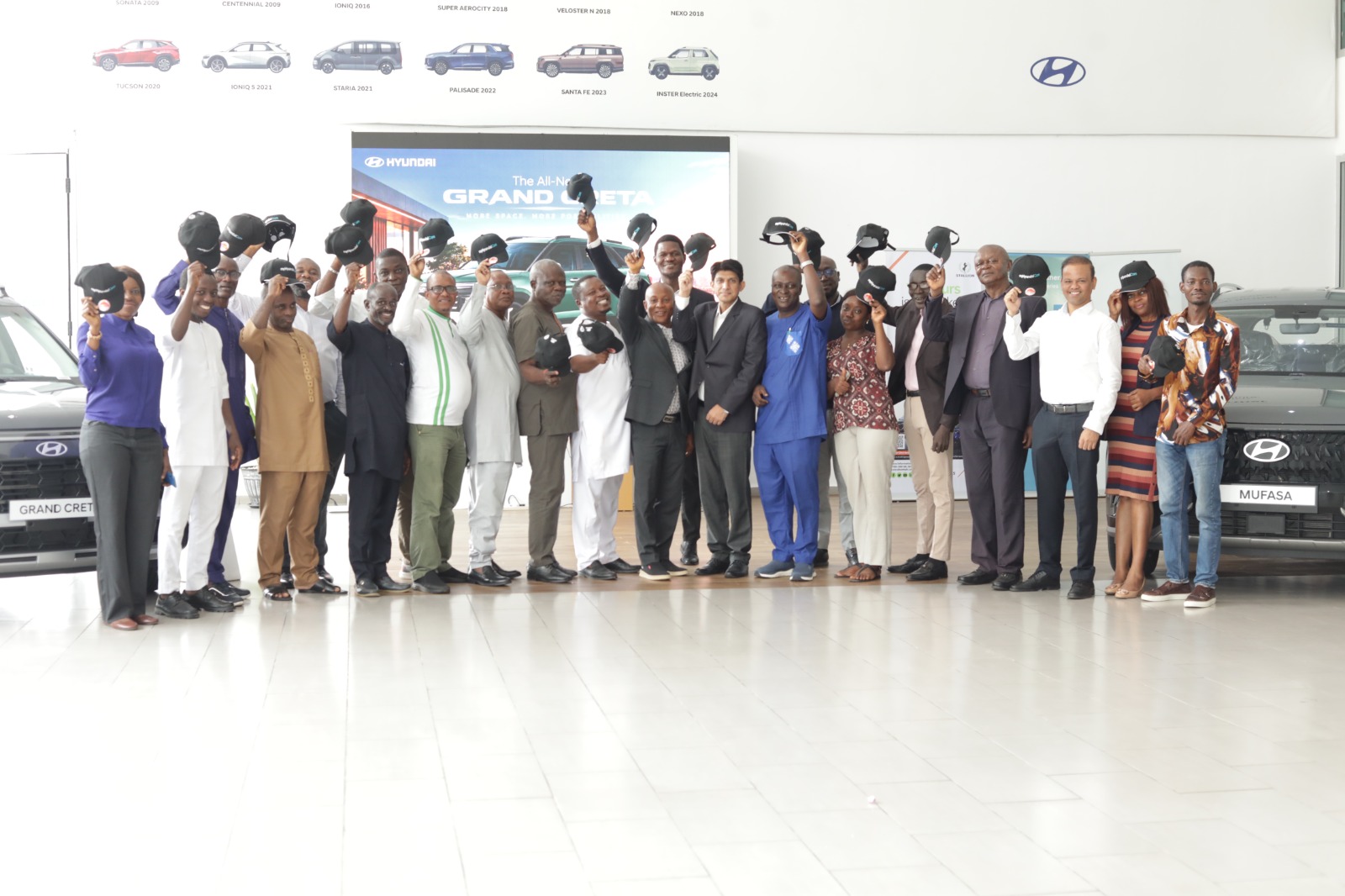
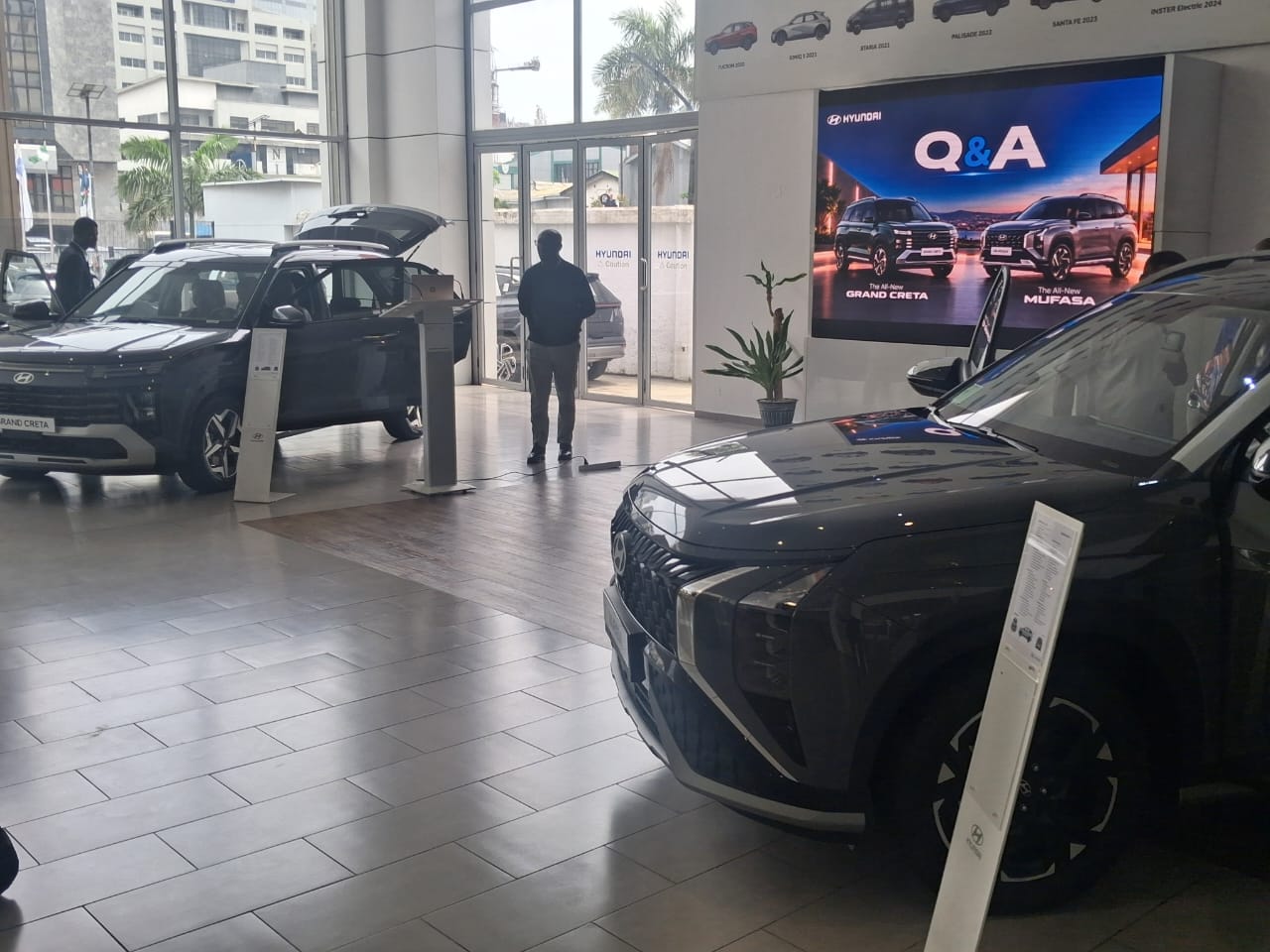
Happening now: Hyundai unveiling of Mufasa and Grand Creta
Happening now: Hyundai unveiling of Mufasa and Grand Creta (photos)
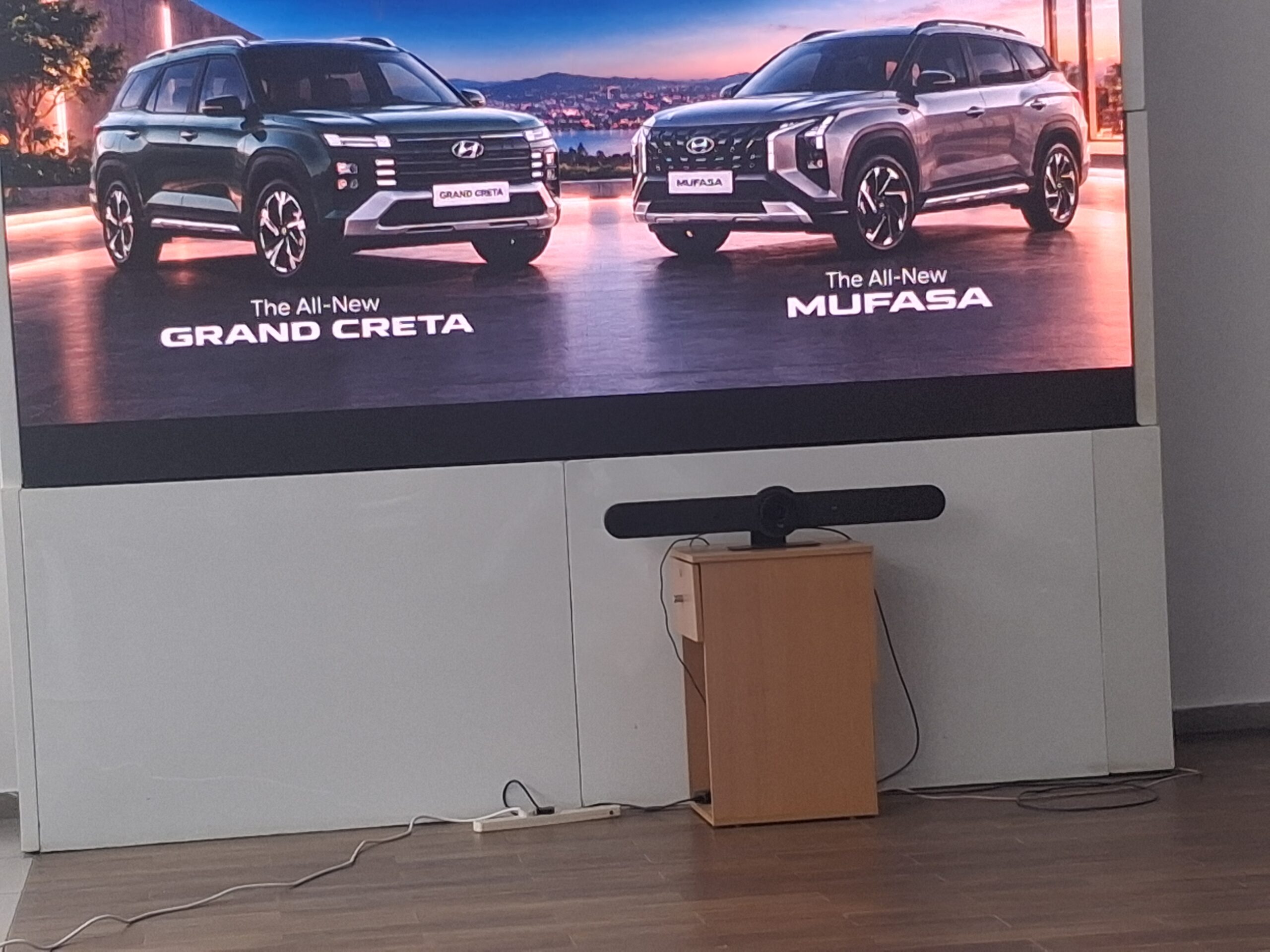
Two latest models of Hyundai auto brands are currently being officially rolled out in Lagos. The new vehicles are Mufasa and Grand Creta.
The unveiling is taking place at the Hyundai showroom on Akin Adesola Street Victoria Island, Lagos.
Auto
No 5% Petrol Tax Plan, Oyedele Says, Amid Public Concerns
No 5% Petrol Tax Plan, Oyedele Says, Amid Public Concerns
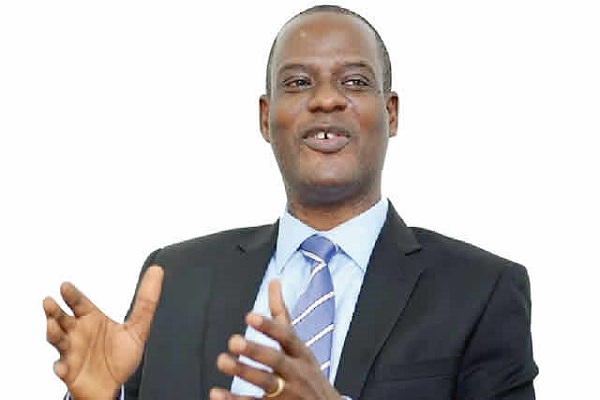
The Federal Government has no plan to introduce a new tax on petrol, Minister of Finance and Coordinating Minister of the Economy, Taiwo Oyedele, has said, dismissing reports that the administration of President Bola Tinubu intends to impose a five per cent levy on petroleum products.
Oyedele clarified the issue in a statement posted on his X account on Tuesday, insisting that a fuel tax was not being considered by the government.
“In my interview with ARISE News, I was clear: a fuel tax is not on the table,” he said.
His statement follows reports linking him to the proposed five per cent tax, which sparked concerns about a possible increase in the cost of petrol amid Nigeria’s persistent cost-of-living crisis.
Petrol prices have remained a major driver of transportation and distribution costs since the removal of the fuel subsidy, contributing to higher prices of food and other essential goods and services.
The prospect of an additional levy had raised fears that households and businesses could face further financial pressure.
However, Oyedele’s clarification indicates that the Federal Government is not currently considering the proposed fuel tax, amid broader efforts to reform Nigeria’s tax system and strengthen public finances.
-
 metro2 days ago
Army Major, Soldiers Killed in ISWAP Ambush in Yobe State
-

 metro1 day ago
‘We Don’t Know What Else to Do’ — Mother Begs for Release of Abducted Children
-
 metro2 days ago
Breaking: Afenifere Leader Pa Fasoranti Dies at 100
-
 metro1 day ago
Atiku: US Lobbying Firm Raises Alarm Over Alleged Assassination Plot
-
 metro1 day ago
Five Arraigned Over Kidnapping of 20 Prospective NYSC Members in Imo
-

 metro2 days ago
‘I Never Asked Them to Abandon Loved Ones’ — Obi Clarifies Diaspora Remarks
-
 Auto1 day ago
Beyond the Showroom: Why After-Sales Service Will Define Auto Industry Winners
-

 Auto1 day ago
No 5% Petrol Tax Plan, Oyedele Says, Amid Public Concerns