
metro
Troops kill bandit kingpin, Kachalla Maidawa, 35 others

Troops kill bandit kingpin, Kachalla Maidawa, 35 others
Troops of the Nigerian Army have eliminated a notorious terrorist kingpin, Kachalla Maidawa, and 35 other insurgents in coordinated nationwide operations conducted between September 29 and October 4.
A credible source at the Army Headquarters disclosed that the major breakthroughs were recorded across the six geo-political zones.
He said the troops also apprehended a total of 32 criminal suspects, rescued 22 kidnap victims, and recovered large quantities of arms, ammunition and logistics supplies.
The source said troops of Operation Egwu Eke Atite III, in collaboration with the Nigerian Navy, DSS, Police and Hybrid Forces, foiled a planned terrorist attack on Isanlu, Yagba West Local Government Area of Kogi State.
He added that the troops overpowered the assailants, neutralising more than 12 terrorists, including the dreaded Kachalla Maidawa, during a fierce gun battle.
According to him, Maidawa has been responsible for violent raids across Kogi and parts of Kwara State.
“Recovered items include one AK-47 rifle, 400 rounds of assorted ammunition, four motorcycles, three Dane guns, a fragmentation jacket and mobile phones. In Kebbi State, troops of 1 Brigade ambushed terrorists along the Salka–Kinke–Makurdi road in Ngaski Local Government Area, killing two terrorists and rescuing eight victims. They also seized seven AK-47 magazines, 180 rounds of 7.62 mm ammunition and two motorcycles,” he said.
READ ALSO:
- Hamas calls for swift hostage-prisoner swap as talks set to begin
- Over a dozen wounded in rare Sydney mass shooting
- Israel strikes Gaza as Palestinians pin hopes on Trump peace plan
The source said that troops of the 11 Field Engineer Regiment and CSI Battalion foiled a ₦3 million ransom delivery involving brand-new motorcycles meant for terrorists in Giwa and Birnin Gwari Local Government Areas of Kaduna State.
He added that five hostages were rescued while fleeing bandits were neutralised, adding that two suspected kidnappers were later caught at Damakasuwa checkpoint, in the Zangon Kataf Local Government Area, with ₦1.3 million cash.
According to him, troops, had during a follow-up raid, neutralised two accomplices who tried to escape arrest.
In the North-East, the source revealed that troops of 151 Task Force Battalion ambushed and killed five ISWAP/JAS terrorists at Dipchari in the Bama Local Government Area of Borno State.
He added that troops of 3 Battalion and 24 Task Force Brigade apprehended logistics and drug suppliers to ISWAP along the Gamboru–Wulgo road, while a separate sting operation in Monguno led to 12 arrests, including a terrorist tax collector.
“In the South-East, troops of 34 Artillery Brigade under Operation Udo Ka stormed IPOB/ESN hideouts in Abia and Imo states, arresting suspects involved in the abduction and murder of the vice chancellor of the Federal Polytechnic, Afikpo.
“Troops also neutralised a notorious ESN fighter and recovered one AK-47 rifle, two magazines and 14 rounds of ammunition. In the South-South, under Operation Delta Safe, troops destroyed several illegal oil-refining sites in Rivers and Bayelsa states, recovering over 2,000 litres of stolen crude oil. Fourteen suspected drug peddlers were also arrested with support from the NDLEA,” he added.
The military source said the operations underscored the Nigerian army‘s superiority in combat and intelligence-led precision, reaffirming its resolve to restore peace, protect citizens and enhance national stability.
He added that troops remained committed to creating a secure environment for agriculture and commerce, in line with the Federal Government’s drive for food security and sustainable development.
Troops kill bandit kingpin, Kachalla Maidawa, 35 others
(NAN)









metro
Dr Sanusi Lafiagi Highlights Ramadan’s Spiritual Blessings, Post-Ramadan Challenges
Dr Sanusi Lafiagi Highlights Ramadan’s Spiritual Blessings, Post-Ramadan Challenges
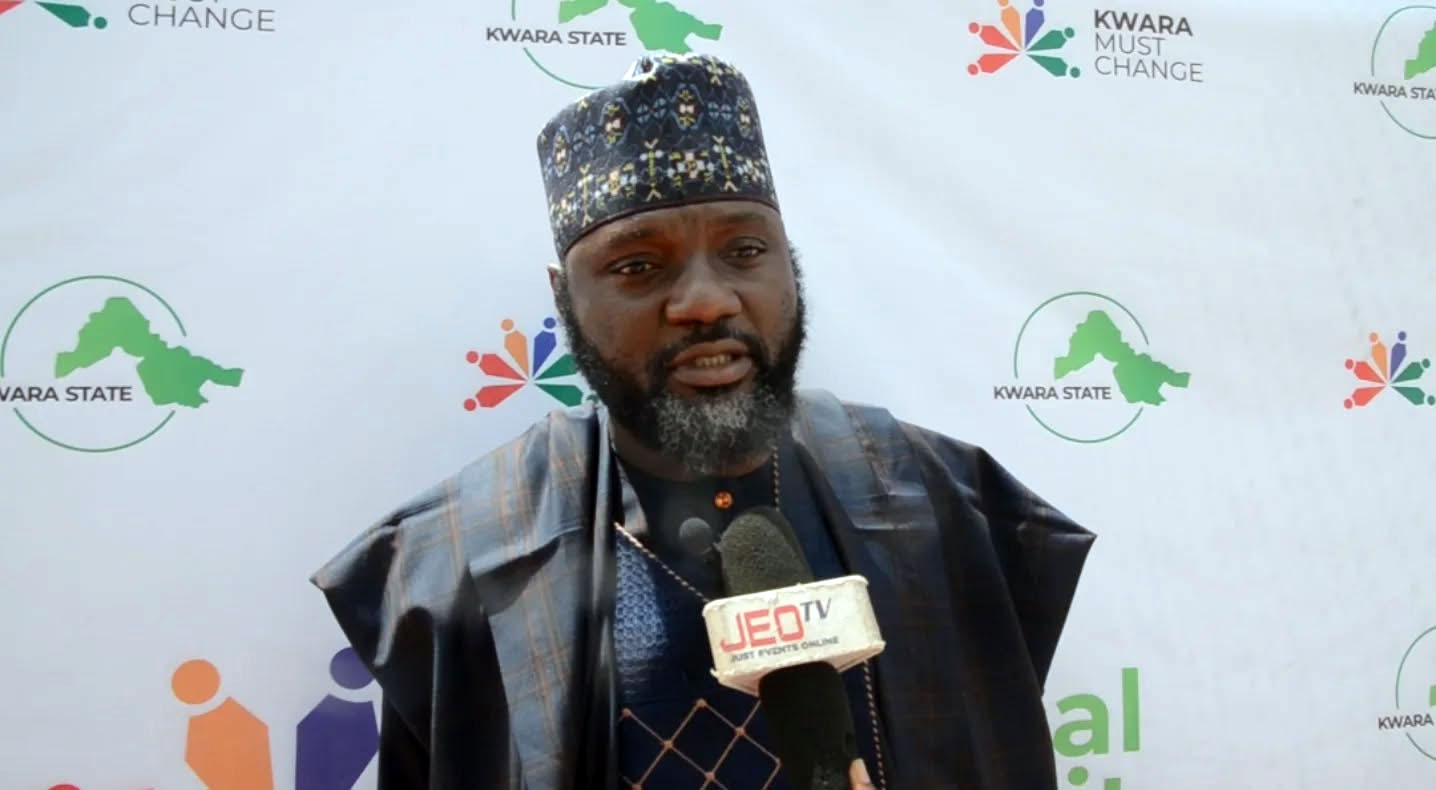
Ilorin, Kwara State – Dr Sanusi Lafiagi, Islamic scholar and Chief Imam of Al-Hikmah University, Kwara State, has explained why the holy month of Ramadan is spiritually unique, emphasizing its role in personal transformation, moral discipline, and societal harmony.
In an exclusive interview with PUNCH, Dr Lafiagi described Ramadan as a “month of mercy, spiritual rejuvenation, and character formation,” citing the Prophet Muhammad (S.A.W.) who said: “Whenever Ramadan commences, all the gates of Paradise are opened, the gates of Hellfire are closed, and the devils are chained.”
According to Dr Lafiagi, these divine conditions make it easier for believers to perform righteous deeds, avoid sins, and draw closer to Allah’s mercy. Beyond fasting from food and drink, he highlighted that Ramadan fosters self-discipline, effective time management, self-restraint, charity, and Qur’an recitation, which help Muslims manage their lives spiritually and morally.
“During Ramadan, believers learn patience, forgiveness, and restraint,” he said, explaining that even when insulted, a fasting person is encouraged to respond calmly, reinforcing moral discipline. He added that acts of charity, especially Zakat al-Fitr, purify the soul while assisting the needy in the community.
READ ALSO:
- Assistant Commissioner of Police Dies in Fatal Road Accident
- Reasons Behind UniAbuja’s Expulsion of 28 Students, Withdrawal of 15 Certificates
- Yoruba Muslim Group Dismisses Viral Ramadan Date Claim, Reaffirms Sultan of Sokoto’s Authority
Dr Lafiagi also addressed why many Muslims struggle to maintain spiritual gains after Ramadan. He explained that after the month ends, the “gates of Jannah close, gates of Hellfire reopen, and the devils are freed,” making it easier for believers to lapse into previous sinful habits.
“Returning to old habits does not necessarily indicate weak faith,” he said, “but it shows that Ramadan’s lessons were not fully internalized in the heart and soul.” He stressed the importance of carrying Ramadan’s spiritual benefits into daily life to sustain moral consistency.
The scholar highlighted Ramadan’s societal impact, noting that consistent lectures and moral reminders during the month often reduce crime, improve social cohesion, and create a safer environment. He stressed that the company one keeps, the social environment, and exposure to media play significant roles in sustaining moral conduct post-Ramadan.
Dr Lafiagi also urged Muslims to utilize key moments during Ramadan, including the last 10 nights, particularly Laylatul Qadr (the Night of Power), where worship is rewarded more than in a thousand months. He emphasized the last third of every night for prayers and the giving of Zakat al-Fitr to purify the fast and help the needy.
Regarding exemptions, he clarified that sick, pregnant, nursing, and menstruating individuals may be exempt from fasting, but they should either make up missed fasts or feed the needy if unable to fast. “Allah does not burden a soul beyond its capacity,” he reminded.
Concluding, Dr Lafiagi stressed that a successful Ramadan is measured not only by the intensity of worship during the month but also by the consistency of righteous deeds and obedience to Allah afterward.
Dr Sanusi Lafiagi Highlights Ramadan’s Spiritual Blessings, Post-Ramadan Challenges
metro
Assistant Commissioner of Police Dies in Fatal Road Accident

Assistant Commissioner of Police Dies in Fatal Road Accident
The Assistant Commissioner of Police Abubakar Balteh, head of the State Criminal Investigation Department (SCID) at the Borno State Police Command, has died in a tragic road accident, the Command confirmed. His passing has sparked an outpouring of grief from colleagues and the wider Nigeria Police Force community.
According to a statement issued on Saturday by the Police Public Relations Officer, ASP Nahum Kenneth Daso, on behalf of the Commissioner of Police, ACP Balteh died while travelling in the north-east region. The circumstances surrounding the crash remain under investigation, and further details, including burial arrangements, were expected to be released by the police.
ACP Balteh, who led the SCID in Borno State, was described as a committed and hardworking officer who remained dedicated to his duties up until his death. The statement invoked the Islamic prayer “Innalillahi wa inna ilaihi raji’un” (“Indeed, we belong to Allah and indeed to Him we shall return”), highlighting the profound sense of loss felt within the Command.
READ ALSO:
- Reasons Behind UniAbuja’s Expulsion of 28 Students, Withdrawal of 15 Certificates
- Yoruba Muslim Group Dismisses Viral Ramadan Date Claim, Reaffirms Sultan of Sokoto’s Authority
- FCT Council polls: APC Wins Four Chairmanship Seats as PDP Takes Gwagwalada
The late officer’s death represents a significant loss to the Borno State Police, particularly the Criminal Investigation Department, where he played a pivotal role in overseeing investigations and maintaining law and order. His leadership and dedication had earned him respect from colleagues across the police community.
ACP Balteh was laid to rest on Sunday, February 22, 2026, in Potiskum, Yobe State, following Islamic rites. His passing comes just months after the death of another senior officer, Deputy Commissioner of Police Ahmed Ibn Umar, underscoring a challenging period for the Borno State Command.
Tributes have poured in from within the police force and beyond, with officials urging the public to remember the late officer’s family in their thoughts and prayers during this period of mourning. The Borno State Police Command reaffirmed its commitment to continuing the work of maintaining law, order, and safety in the state in honour of the late ACP’s service.
Assistant Commissioner of Police Dies in Fatal Road Accident
metro
SERAP Urges Tinubu to Repeal ‘Unlawful’ Mass Surveillance Regulations

SERAP Urges Tinubu to Repeal ‘Unlawful’ Mass Surveillance Regulations
The Socio-Economic Rights and Accountability Project (SERAP) has formally called on President Bola Tinubu to withdraw the Lawful Interception of Communications Regulations, 2019, describing them as unconstitutional, unlawful, and inconsistent with Nigeria’s international human rights obligations. The demand follows allegations that the phone of National Security Adviser (NSA) Nuhu Ribadu was intercepted, raising national concerns about phone tapping, mass surveillance, and privacy rights in Nigeria.
In a letter dated 21 February 2026 and signed by SERAP Deputy Director Kolawole Oluwadare, the civil rights organisation urged Tinubu to direct Bosun Tijani, Minister of Communications, Innovation and Digital Economy, to repeal the regulations immediately. SERAP also called for a transparent legislative process to develop lawful interception laws that comply with constitutional safeguards, judicial oversight, and international human rights standards.
READ ALSO:
- Trump Imposes 15% Global Tariff Hours After Supreme Court Blocks Previous Tariffs
- APC Wins Rivers Ahoada East State Constituency II Bye‑Election
- Opposition Weakens as Another Governor Eyes APC Move
The organisation criticised the regulations for granting broad and vague powers to intercept communications on grounds such as “national security,” “economic wellbeing,” or “public emergency” without sufficient judicial safeguards, transparency, or independent oversight. SERAP warned that these powers risk being weaponised against journalists, civil society, political opponents, and election observers, especially as Nigeria approaches the 2027 general elections.
According to SERAP, the current framework allows interception without a warrant in situations involving consent, threats to life, or the ordinary course of business. It also expands the category of “authorised agencies” arbitrarily and fails to provide adequate safeguards for the protection of private communications, encryption, and data storage. The organisation emphasised that such practices violate Section 37 of the Nigerian Constitution and international human rights obligations.
SERAP highlighted that secret surveillance and bulk data collection create significant risks of misuse, profiling, and political manipulation. The organisation noted that mass surveillance measures must comply with legality, necessity, proportionality, and prior judicial authorisation, with clear oversight mechanisms and remedies for affected individuals.
The civil society group warned that if the government fails to act within seven days of the letter’s publication, it would pursue legal action to compel compliance, reiterating that privacy and freedom of expression are essential for free and fair elections and democratic governance.
The call by SERAP adds to growing public debates about data privacy, lawful interception, and accountability in Nigeria. Observers argue that without reform, the regulations could undermine journalistic independence, political participation, and citizens’ trust in digital communication.
SERAP Urges Tinubu to Repeal ‘Unlawful’ Mass Surveillance Regulations

-

 Business18 hours ago
Dangote Opens Refinery Investment to Nigerians With Public Share Sale Plans
-

 Politics2 days ago
Peter Obi Launches ‘Village Boys Movement’ to Rival Tinubu’s City Boys Ahead of 2027
-

 Education1 day ago
UTME: JAMB Clarifies Position on Hijab During Biometric Capture
-

 News3 days ago
Police to Arrest TikToker Mirabel After She Recants False Rape Claim
-

 International3 days ago
Epstein, Ex-Israeli PM Named in Alleged Profiteering From Boko Haram Crisis
-

 Politics11 hours ago
Tinubu Hails Wike as APC Dominates 2026 FCT Area Council Elections
-

 Education2 days ago
Ogun Gov Rewards Nigeria’s Best Primary School Teacher with Car, Bungalow
-

 Entertainment2 days ago
Tacha Condemns False Rape Allegations After Mirabel Admits Fabrication