

News
US Lawmaker Raises Alarm Over ‘Convert or Die’ Threat Against Christians in Nigeria
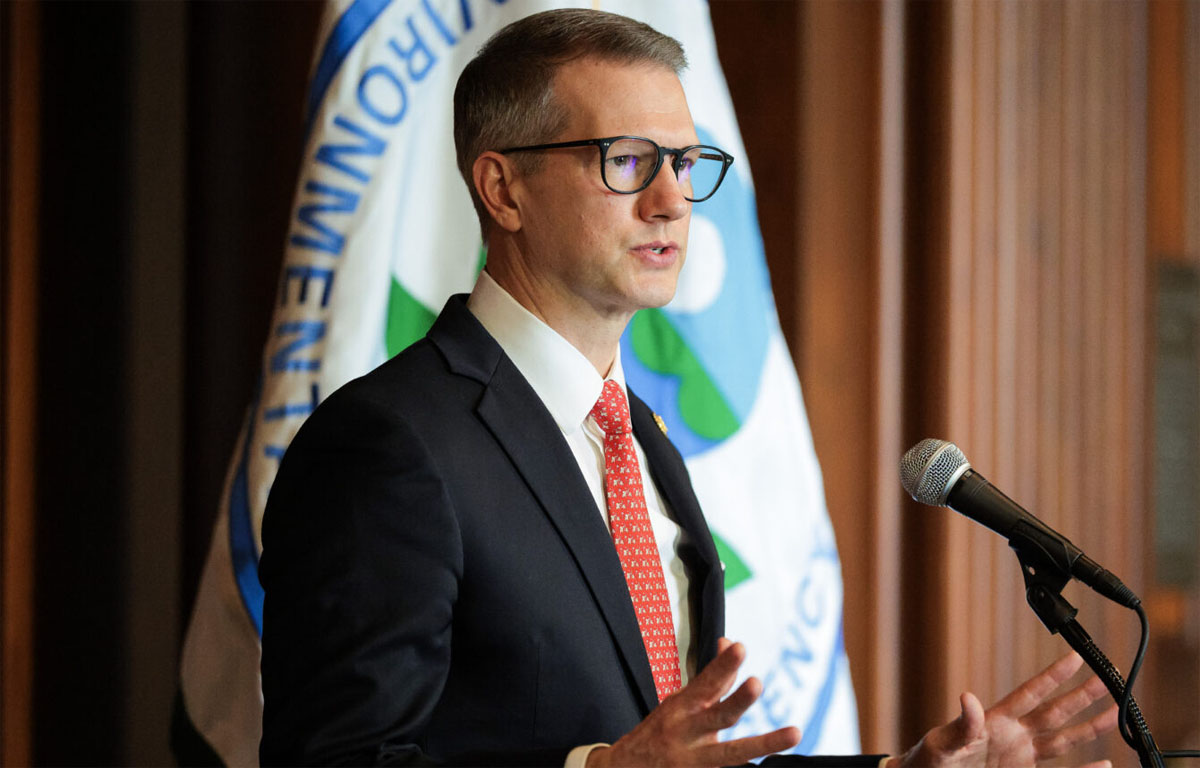
US Lawmaker Raises Alarm Over ‘Convert or Die’ Threat Against Christians in Nigeria
A United States lawmaker has raised fresh concerns over the killing of Christians by terrorists linked to the Islamic State West Africa Province (ISWAP) in northeastern Nigeria, warning that extremist threats against religious minorities in the region are worsening.
The lawmaker, Riley M. Moore, reacted after reports emerged that ISWAP fighters carried out a deadly attack in Adamawa State in February that reportedly left at least 27 Christians dead and several homes destroyed.
Security analyst Brant Philip had earlier shared details of the incident online, noting that the terrorists later admitted responsibility for the assault and issued a chilling ultimatum to Christian communities in the area.
According to a message circulating on social media platform X, the militants allegedly warned that Christians must “either pay the jizyah tax, convert to Islam, or be killed.” The statement described the ultimatum as a “fair deal,” sparking outrage among international observers.
READ ALSO:
- Google Expands AI Search to Include Yorùbá, Hausa Languages in Nigeria
- Russia Confirms Iran Has Made No Request for Military Aid
- Family Prepares Funeral for Abducted NYSC Member After ₦10m Ransom Fails
Reacting in a post on X, Moore condemned the threat and described the development as a clear case of religious persecution in Nigeria.
“Christians continue to be explicitly targeted for their faith in Nigeria,” Moore said.
“ISIS-West Africa is slaughtering Christians and telling other Christians they must convert or die. In our report to the White House, we made it clear that increased American support is contingent on the Nigerian government doing more to defend Christians. Now is the time for Abuja to step up.”
The comments highlight growing international concern about terrorist attacks in Nigeria’s northeast, where insurgent groups such as Boko Haram and ISWAP have continued to target communities, places of worship and security forces.
Nigeria has been battling a prolonged insurgency for more than a decade, particularly in Borno, Adamawa and Yobe states, where thousands of people have been killed and millions displaced by extremist violence.
Human rights organisations and religious freedom advocates have repeatedly warned that Christian minorities in rural communities remain vulnerable to targeted attacks, especially in remote areas with limited security presence.
Although the Nigerian military has intensified operations against insurgent groups in recent years, attacks, kidnappings and raids by militants still occur across several parts of the northeast.
Moore’s latest remarks add to increasing international calls for stronger efforts to protect vulnerable communities and improve security in Nigeria’s conflict-affected regions.
US Lawmaker Raises Alarm Over ‘Convert or Die’ Threat Against Christians in Nigeria








News
FG Moves Against Filling Stations Short-Changing Nigerians With False Measurements

FG Moves Against Filling Stations Short-Changing Nigerians With False Measurements
The Federal Government has announced plans to intensify nationwide surveillance against false measurements and short-changing of consumers at filling stations and other commercial outlets, warning businesses against practices that deny Nigerians the full value of their money.
The planned enforcement drive is expected to strengthen checks on measuring equipment used in commercial transactions, including fuel dispensers, as authorities seek to curb under-dispensing of petrol and other forms of measurement fraud.
The initiative comes amid renewed concerns about inaccurate fuel pumps at retail outlets, where motorists may pay for a specified quantity of petrol but receive less than the amount displayed on the dispensing meter.
The Nigerian Midstream and Downstream Petroleum Regulatory Authority (NMDPRA) has already raised the alarm over cases of under-dispensing at filling stations across the country and directed operators to carry out immediate calibration and verification of their dispensing equipment.
In September, the regulator warned that filling stations found delivering less fuel than customers paid for, using improperly calibrated equipment or otherwise compromising dispensing accuracy would face enforcement action. Persistent or serious violations could attract sanctions, including the revocation of operating licences.
The NMDPRA said the directive was intended to ensure that motorists receive the correct quantity of petroleum products and restore confidence in transactions within the downstream oil sector.
READ ALSO:
- Police Arrest Man Over Fake Presidency Number Plate in Abuja
- Shettima Blasts States Over Power Woes, Says Govs Must Stop Waiting for Abuja
- Fourth Gas Leak in Six Months: Over 100 Ogun Pupils Hospitalised, Schools Shut as Parents Panic
The regulator also called on industry associations, including the Independent Petroleum Marketers Association of Nigeria (IPMAN), the Petroleum Products Retail Outlets Association of Nigeria (PETROAN), the Major Energy Marketers Association of Nigeria and the Depot and Petroleum Products Marketers Association of Nigeria, to notify their members and ensure compliance.
PETROAN subsequently directed its members nationwide to inspect their dispensing meters, while its president, Billy Gillis-Harry, urged motorists to monitor pump readings and request receipts when buying fuel.
The association acknowledged that dispensing equipment could develop faults through prolonged use, potentially resulting in either under-dispensing or over-dispensing. It said regular checks were necessary to ensure that customers received the quantity for which they paid.
The Federal Government’s planned nationwide crackdown is expected to reinforce efforts to improve measurement accuracy and protect consumers from dishonest commercial practices.
The issue has become particularly significant amid high petrol prices and the deregulation of Nigeria’s downstream petroleum sector, which has left consumers facing varying pump prices across locations.
With motorists spending substantial amounts on fuel, even small discrepancies in dispensing measurements can result in financial losses when repeated across multiple transactions.
Authorities have continued to stress that filling station operators are responsible for ensuring that their equipment is properly maintained, calibrated and verified in line with applicable regulations.
The broader enforcement effort is also expected to address the use of faulty or manipulated measuring equipment in other commercial activities, where inaccurate weights and measurements can similarly short-change consumers.
The Federal Government’s stated objective is to promote fair trade, strengthen consumer protection and ensure that Nigerians receive the exact quantities of goods and services for which they pay.
However, the effectiveness of the planned crackdown will depend on consistent inspections, transparent enforcement and appropriate sanctions against businesses found violating measurement standards.
FG Moves Against Filling Stations Short-Changing Nigerians With False Measurements
News
Jubilation in Ogun Camp as 3,050 NYSC Members Receive ₦50,000 Palliative, 500 Mattresses

Jubilation in Ogun Camp as 3,050 NYSC Members Receive ₦50,000 Palliative, 500 Mattresses
Abeokuta, Ogun State — There was widespread jubilation at the NYSC Orientation Camp in Ogun State on Wednesday following the announcement that 3,050 serving corps members will receive a one-off cash palliative of ₦50,000 to cushion the effects of the current economic hardship in the country.
The announcement, which was met with wild cheers and celebrations, comes as part of the state government’s efforts to support youths undergoing their mandatory one-year national service.
In addition to the cash disbursement, the Ogun State Government has also approved the immediate delivery of 500 mattresses to the camp to improve the living conditions of the corps members.
The news broke via a report by Pulse, detailing that the palliative is aimed at easing the financial burden on the young graduates, particularly in light of the rising cost of living and transportation across the nation.
Visuals from the camp showed corps members in their traditional white and green kits, raising their caps in excitement, a clear indication of the relief the financial support brings.
Speaking on the development, a camp official noted that the cash injection will go a long way in helping the corps members manage their daily expenses, including transportation to their Places of Primary Assignment (PPA) and personal upkeep.
The distribution of the ₦50,000 cash palliative and the provision of the 500 mattresses are expected to be rolled out in the coming days. The move has been widely commended by stakeholders who view it as a proactive step by the Ogun State Government to prioritize the welfare of youths serving in the state.
Jubilation in Ogun Camp as 3,050 NYSC Members Receive ₦50,000 Palliative, 500 Mattresses
News
UNILORIN VC to graduates: Let this investment count

UNILORIN VC to graduates: Let this investment count
ILORIN — The Vice-Chancellor of the University of Ilorin (UNILORIN), Professor Wahab Olasupo Egbewole, SAN, has urged graduating students to justify the sacrifices made by their parents, guardians and other stakeholders by using their education, knowledge and skills to solve societal problems and contribute meaningfully to national development.
Egbewole gave the charge in his address titled “Let This Investment Count!” at the university’s 41st Convocation Ceremony, where he congratulated the graduands and challenged them to translate the opportunities provided by university education into tangible benefits for themselves and society.
The Vice-Chancellor’s message placed emphasis on the responsibilities that come with obtaining a university degree, particularly the need for graduates to demonstrate that the time, money, energy and other resources invested in their education have produced meaningful results.
He called on the graduands to appreciate the contributions of their parents and guardians, whose sacrifices had helped them reach the milestone, while also recognising the efforts of the university’s academic and non-academic staff and other stakeholders in their educational journey.
According to the message of the address, the significance of graduation goes beyond receiving certificates and celebrating academic achievements. It also marks the beginning of a new phase in which graduates are expected to apply their learning, demonstrate discipline and integrity, and contribute to the development of their communities.
The charge comes at a time when Nigerian graduates face concerns over unemployment, changing workplace requirements and the need to acquire practical competencies that complement conventional academic qualifications.
Egbewole’s appeal therefore highlights the importance of ensuring that university education produces individuals capable of creating opportunities, addressing real-life challenges and adding value to their workplaces and communities.
16,152 students to graduate
The 41st Convocation Ceremony is expected to see the university graduate a total of 16,152 students for the 2025/2026 academic session.
The figure comprises 11,213 students receiving first degrees and 4,939 candidates earning higher degrees and diplomas.
Among the undergraduate graduands, 365 earned First-Class honours, while 4,367 obtained Second-Class Upper Division degrees. Another 5,102 graduated with Second-Class Lower Division degrees, 1,006 earned Third-Class degrees and 30 obtained Pass degrees.
The graduating class also includes students from several professional programmes, including Medicine and Surgery, Nursing, Pharmacy, Optometry, Physiotherapy and Veterinary Medicine.
The scale of the graduating class underscores the responsibility confronting the university and other stakeholders in ensuring that graduates are adequately prepared for the demands of employment, entrepreneurship, professional practice and further learning.
For the graduands, the Vice-Chancellor’s message serves as a reminder that the value of their qualifications will increasingly be demonstrated through their conduct, competence, creativity and contributions beyond the university environment.
Beyond certificates, emphasis on practical skills
The university has also placed increasing emphasis on equipping students with practical skills to complement their academic qualifications.
One of the initiatives highlighted ahead of the convocation is the University of Ilorin’s U-INSPIRE programme, through which 8,320 participants successfully completed training designed to strengthen their employability, entrepreneurial capacity and readiness for the demands of the modern workplace.
The programme was developed in collaboration with industry partners to help students acquire relevant competencies beyond classroom instruction.
At the graduation ceremony for the programme’s second cohort, Egbewole urged participants to move beyond academic certificates, develop practical capabilities and turn innovative ideas into sustainable businesses.
The initiative reflects a broader recognition that graduates need more than theoretical knowledge to thrive in an increasingly competitive economy.
Practical experience, problem-solving ability, creativity and the capacity to identify and respond to emerging opportunities are becoming important complements to formal qualifications.
The university’s efforts in this area provide additional context for the Vice-Chancellor’s appeal to graduands to make their educational investment count.
Parents, guardians and stakeholders share in the investment
The address also draws attention to the role played by parents, guardians and other supporters in the education of university students.
For many Nigerian families, sponsoring a child through university involves considerable financial and personal sacrifices, including the payment of tuition-related charges, accommodation, feeding, learning materials, transportation and other expenses.
Beyond financial contributions, families often provide emotional support, encouragement and guidance throughout their children’s academic journeys.
The successful completion of a degree is therefore not only a personal achievement for the graduand but also a milestone for the families and communities that supported the process.
The Vice-Chancellor’s call places a responsibility on graduates to honour those sacrifices by making responsible decisions, upholding ethical standards and applying their knowledge in ways that benefit others.
It also reinforces the need for graduates to recognise education as an opportunity to develop their potential and contribute to society, rather than merely as a means of obtaining certificates.
UNILORIN highlights institutional progress
The convocation also provides an opportunity for the university to showcase its academic and institutional achievements during the 2025/2026 session.
Ahead of the ceremony, Egbewole highlighted several developments, including the accreditation of 11 academic programmes, the expansion of campus transportation and the strengthening of research, innovation and institutional partnerships.
The university also disclosed that it received a ₦25 million award from the Joint Admissions and Matriculation Board in recognition of its compliance with admission regulations.
In addition, the institution announced the introduction of 12 compressed natural gas-powered buses and 20 electric tricycles to improve transportation within the campus.
The university has continued to pursue its Vision 1:10:500 aspiration, which seeks to make it Nigeria’s leading university, place it among Africa’s top 10 institutions and secure a position among the world’s top 500 universities.
The vision reflects the institution’s stated ambition to strengthen academic standards, research output, innovation, partnerships and its international standing.
Egbewole has also stressed the importance of continuity, responsible management of resources and collective commitment to sustaining institutional progress.
A new responsibility for graduands
As the graduands prepare to leave the university, the message of “Let This Investment Count!” places their future contributions at the centre of the convocation celebration.
Their degrees represent years of learning and assessment, but they also carry expectations from families, employers, communities and the wider society.
For those entering the labour market, the challenge will be to demonstrate the knowledge and skills acquired through their studies. For aspiring entrepreneurs, it will be to identify opportunities, develop viable ideas and create value. Others will pursue postgraduate education, professional development or careers in public service.
Whatever paths they choose, the central challenge is to make their education relevant to the needs of society.
The university’s 41st Convocation Ceremony, which runs from October 16 to 25, 2026, celebrates the achievements of its graduating students while providing an opportunity to reflect on the responsibilities that accompany higher education.
For the graduands, the message is clear: the completion of a degree is not the end of their journey but the beginning of a new responsibility to themselves, their families and society.
The ultimate measure of the investment in their education will be what they do with the knowledge, discipline and opportunities they have acquired.
UNILORIN VC to graduates: Let this investment count
-

 metro2 days ago
Army Major, Soldiers Killed in ISWAP Ambush in Yobe State
-

 metro2 days ago
Breaking: Afenifere Leader Pa Fasoranti Dies at 100
-

 metro2 days ago
Atiku: US Lobbying Firm Raises Alarm Over Alleged Assassination Plot
-

 metro2 days ago
Five Arraigned Over Kidnapping of 20 Prospective NYSC Members in Imo
-

 metro2 days ago
‘We Don’t Know What Else to Do’ — Mother Begs for Release of Abducted Children
-

 metro2 days ago
‘I Never Asked Them to Abandon Loved Ones’ — Obi Clarifies Diaspora Remarks
-

 Auto2 days ago
Beyond the Showroom: Why After-Sales Service Will Define Auto Industry Winners
-

 Auto2 days ago
Happening now: Hyundai unveiling of Mufasa and Grand Creta