

Opinion
Nigeria, let the Igbo go

Tunde Odesola
(Published in The PUNCH, on Friday, March 17, 2023)
Cleveland, a city in Ohio, USA, was long regarded as the sufferhead among American cities. Bearing on its big head the weight of an unfortunate nickname – The mistake on the lake – Cleveland shares a few similarities with Nigeria. How did Cleveland get its nickname? This is how.
As recently as the late 1960s and 1970s, Cleveland was described as a city where ducks flew upside down because there was nothing worth dumping on. An unforgettable incident happened in June 1969 that made the appellation of a rundown city stick to Cleveland like a mask.
Just as Nigeria has River Niger, Cleveland has Cuyahoga River, where the city’s factories dumped their waste with reckless abandon. The Cuyahoga River, by the way, empties into Lake Erie, which is the 11th largest lake in the world.
On a fateful ‘Ọjọ́ burúkú, èsù gbo’mi mu’ day when the devil was horribly thirsty for evil, a spark from a moving train on a bridge above the river ignited the toxic chemicals floating on the river, resulting in an inferno five storeys high. The fire was quickly put out and nobody died from the incident.
If such an inferno occurred in our beloved Nigeria, your guess is as good as mine; fake pastors would’ve had a field day, the opposition would’ve accused government of arson, government would have said the fire was God’s wish, and Bubu wouldn’t visit the scene; Garba or Adesina would’ve issued a statement silent on casualties, calling on Christians and Muslims to watch and pray. The hopeless country would’ve moved on.
READ ALSO:
- EFCC arraigns Indian National, Professor, Businesswoman for theft, fraud in Lagos
- 27 top politicians plotting to scuttle Rivers gov poll – Wike
- Court remands seven persons for belonging to secret cult
Commerce, industry and life folded up in Cleveland as the former 5th largest city population in the US shrunk to become the 54th largest. The river of tears rolling down the cheeks of the Nigerian masses bearing the brunt of misgovernance such as naira scarcity and poverty is bigger than the fast-shrinking Lake Chad, slowly drying up rivers Niger and Benue, and the polluted rivers in the Niger Delta.
But Cleveland has rebounded and is holding its own as America’s third largest iron and steel producing city, arts and cultural hub, topnotch healthcare destination, champion of environmental protection and progenitor of Rock and Roll.
If Cleveland was a ‘Mistake on the Lake’, Nigeria must be a ‘Disaster on the Niger’. Or a ‘Blight on the Benue’. Nigeria’s socio-political history paints the picture of domination, suspicion, hate and jealousy among her various tribes.
The seed of tribal domination, suspicion and hatred was sown with the nation’s first coup d’etat when Igbo soldiers, Major Chukwuma Nzeogwu and Major Emmanuel Ifeajuna, in the night of January 15, 1966, led other coup plotters, who were mainly of Igbo extraction, to carry out a pogrom on Nigeria’s political elite that included Prime Minister Tafawa Balewa, and more than 20 top politicians, senior army officers including their wives, and junior soldiers on duty, even as another Igbo soldier, General Johnson Aguiyi-Ironsi, seized the reins of power when the country was descending into anarchy.
Apart from Nzeogwu and Ifeajuna, other majors that were the masterminds of the first coup in Nigeria were Timothy Onwuatuegwu, Chris Anuforo, Dan Okafor, Adewale Ademoyega, and Humphrey Chukwuka.
A list of the casualties in the January 15, 1966 coup include Prime Minister Abubakar Tafawa Balewa, Premier Ahmadu Bello, Premier Samuel Ladoke Akintola, Finance Minister Festus Okotie-Eboh, Ahmed Musa (Ahmadu Bello’s aide), Hafsatu Bello, Mrs Latifat Ademulegun, Zarumi Sardauna, Ahmed Pategi (Bello’s driver).
Others include Brigadier Samuel Ademulegun, Brigadier Zakariya Maimalari, Colonel Ralph Shodehinde, Colonel Kur Mohammed, Lt Colonel Abogo Largema, Lt Colonel James Pam, Lt Colonel Arthur Unegbe, Sergeant Daramola Oyegoke, Police Constable Yohana Garkawa, Lance Corporal Musa Nimzo, Police Constable Akpan Anduka, Police Constable Hagai Lai, and Philip Lewande. Unegbe was the only Igbo killed during the coup.
READ ALSO:
- Gov’ship/S’ Assembly elections: IGP orders restriction of movement, bars state/privately-owned security outfits
- Jandor denies stepping down from Lagos gov race
- You have right to contest, Oba of Lagos tells Gbadebo
Yoruba leader, Chief Obafemi Awolowo, luckily escaped being killed in the January 1966 coup plot because he had been sentenced to a 10-year jail term for alleged conspiracy to overthrow the Balewa government in 1963.
Dr Nnamdi Azikiwe, the President of the country, who was on a cruise to the Caribbean when the coup occurred, had transferred powers to the Senate President, Prince Nwafor Orizu.
Then came the counter-coup of July 1966 aka ‘July Rematch’ which was more senseless and sickening than the January coup as an undisclosed number of Igbo soldiers, including Ironsi, were murdered, setting Nigeria on the path of a civil war that started on July 6, 1967 and ended on January 15, 1970 – lasting exactly 2 years, 6 months, 1 week and 2 days.
It’s true to say that the spine of the fragile unity of Nigeria was broken by the January 1966 coup, it is truer to say that the Igbo have never recovered from the Biafra War. No tribe can ever recover from a war that killed an estimated three million people.
Aborigine Indians never recovered till date in the US, Tibetans, Taiwanese and Uyghurs never fully recovered in Chinese hands, natives never recovered in Canada – in wars wherein genocide, starvation and sterilization were potent weapons for forceful land takeover and imperialism.
War is always terrible and avoidable. It’s like the bullet, once shot, it hurries to wreak havoc. It’s sane to say that the January 1966 coup was a military action, whose consequence shouldn’t be visited on an entire tribe. But warmongers would say that everything is fair in war and that the Igbo got what they deserve. However, is it right to kill an ant with a sledgehammer? Is it right to kill a dog because it barks?
The whole concept of Nigeria’s amalgamation is insane, unnatural and pretentious because after the Biafra War, ‘No victor, no vanquished’ became the new song on every lip, whereas suspicion, mistrust and contempt sit in the belly of each tribe.
With the 2023 general elections, the chickens have, again, come home to roost. The elections have, once again, widened the national fissures of ethnicity, religion and hypocrisy accentuated by the headless regime of retired Major General Muhammadu Buhari – a beneficiary of coups. Buhari divided Nigeria so much that when people are killed anywhere in the country nowadays, the first question that comes to mind is, “I hope my tribe isn’t involved’.
READ ALSO:
- INEC blacklists 100 ad-hoc workers over electoral malpractices
- Tinubu rejects government of national unity says ‘my aim is higher than that’
- Ex-Imo governor to police: Why we can’t honour your invitation now
Sadly, ethnicity, religion and hypocrisy have been critical factors determining the swing of electoral victory in the 2023 elections, just like past elections. Sadly, this is what the political elite designed for the masses, and it’s bearing bountiful harvests.
If not hypocrisy, what would you call Governor Babajide Sanwo-Olu, who, as the day of election reckoning nears, has gained rapid demotion from being Lagos State foreman to being Lagos State groundsman ready to hug the homeless, lick the vulcaniser arse and stand at church entrance like a stranded sexton.
If not for ethnicity and hypocrisy, why haven’t the Igbo ever been this concerted, assertive and vehement in condemning bad governance in Igbo land especially, and across Nigeria generally, as they’ve now been rooting in Lagos?
Inasmuch as I’m an advocate of giving the job to the best hands, notwithstanding religious consideration, I’ll be remiss and insincere if I claim that Asiwaju Bola Tinubu’s Muslim-Muslim was altruistic. That political act was in disregard of Christian religion, and could embolden an encore by the political class in future elections. Its unforeseen fallout is what’s making Sanwo-Olu’s heart beat 1,000 times per minute at the mention of Elluu Pee.
For one thousand and one reasons, the All Progressives Congress should’ve been punished at the polls but it exploited the nation’s faultlines, like other parties also did, to garner votes nationwide in confirmation of the weaponization of poverty.
No doubt, the memory of Biafra wracks the Igbo till date, the same way the loss of Ilorin, a Yoruba land, to the Fulani, rankles the Yoruba still. This is why ‘Lagos is no man’s land’ mantra provokes instant disgust in the Yoruba.
If the Labour Party loses Lagos governorship election on Saturday, the Igbo will come to great political pain, and return to the old song, “We want Biafra.” I join in the song; if the Igbo cannot aspire to be what they want in Nigeria, let them go.
Email: tundeodes2003@yahoo.com
Facebook: @tunde odesola
Twitter: @tunde_odesola








Opinion
‘Tinubu Will Win Again in 2027’ — Charismatic Bishops’ Secretary
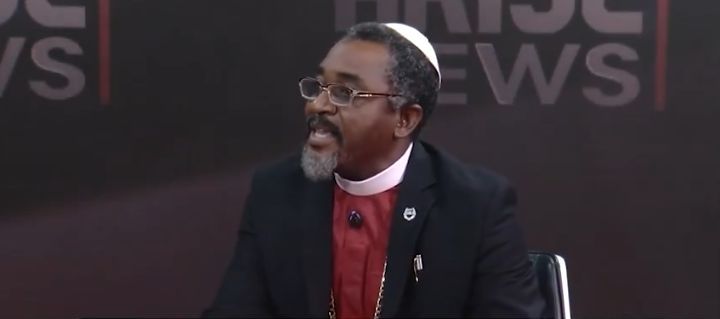
‘Tinubu Will Win Again in 2027’ — Charismatic Bishops’ Secretary
A senior Nigerian cleric, Archbishop Chivir Chianson, has declared that President Bola Tinubu will retain the presidency after the 2027 general election, attributing the prediction to a message he said came from God.
Chianson, who serves as Secretary General of the Charismatic Bishops’ Conference of Nigeria, made the statement while appearing on Arise Television on Saturday.
Rather than basing his prediction on political calculations, the archbishop said his confidence came from what he described as the prophetic role of bishops.
He maintained that the conference had previously spoken about Tinubu’s political future based on what he said was divine revelation and that the President would return for another term.
Chianson also predicted that Tinubu’s performance would improve if he wins the 2027 election.
READ ALSO:
- DSS warns Osun churches, mosques, markets over alleged terrorist attack plot ahead of 2027
- ‘Tinubu Will Win Again in 2027’ — Charismatic Bishops’ Secretary
- Fake miracles, bogus grants: How clerics allegedly fleece Nigerians of millions
Addressing the political opposition, the cleric said the bishops could not be blamed if rival parties failed to unite or organise themselves effectively ahead of the election.
He also sought to clarify the position of the bishops when dealing with government, saying their role in speaking truth to power did not mean they should approach political leaders with hostility or disrespect.
According to him, the Constitution, alongside their religious convictions, should guide how they engage the President and the country.
Chianson said he was sufficiently confident in his prediction to promise that he would return to the Arise TV studio after the 2027 election, when he expects the result to demonstrate that the bishops’ prophecy was correct.
His comments add a religious dimension to the increasingly active political conversation surrounding the 2027 presidential race.
‘Tinubu Will Win Again in 2027’ — Charismatic Bishops’ Secretary
Opinion
Ejimakor: Kanu, IPOB Members Should Not Be Jailed Over Biafra Agitation
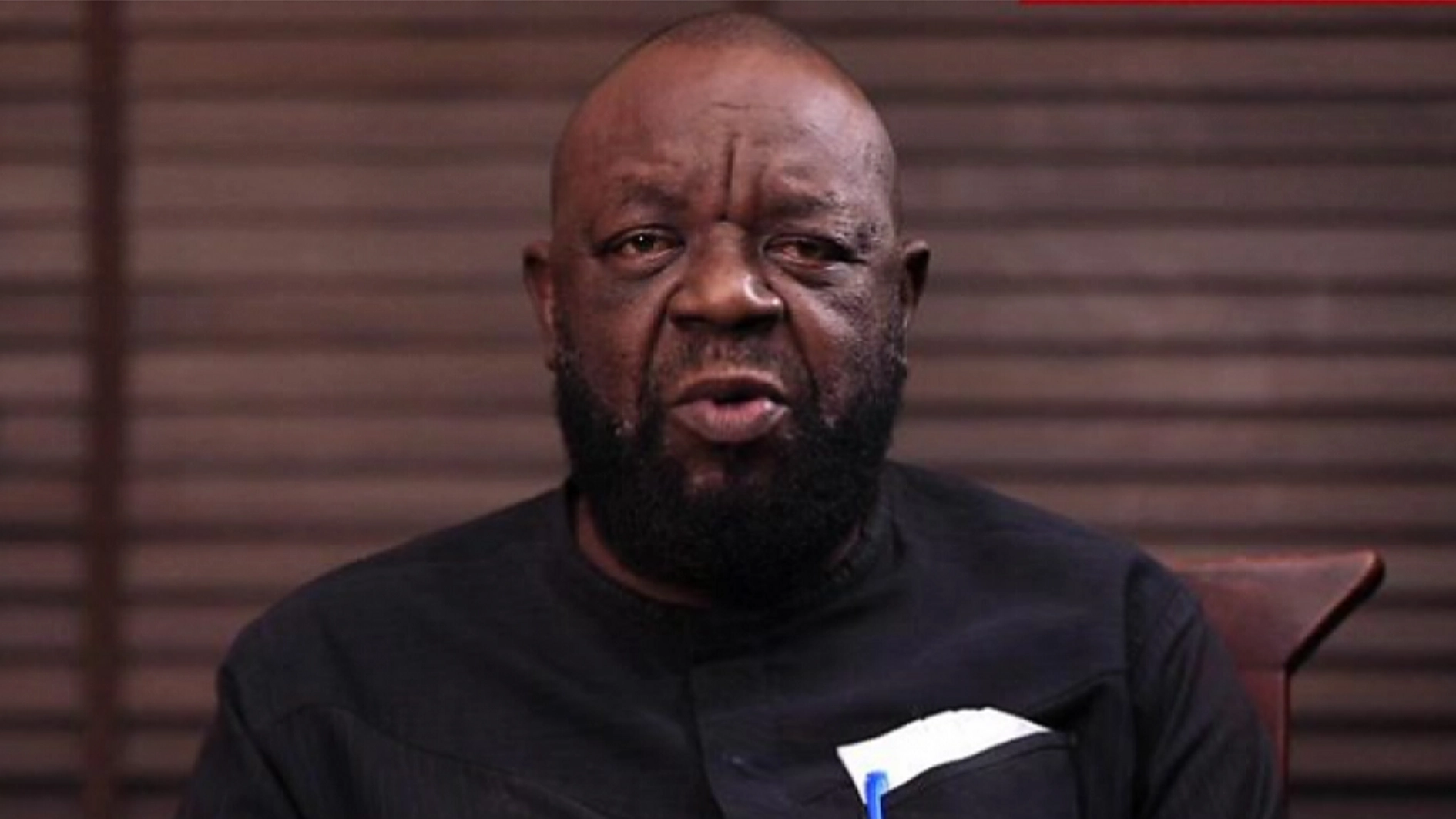
Aloy Ejimakor, Special Counsel to Indigenous People of Biafra (IPOB) leader Nnamdi Kanu, has called for the release of people he described as prisoners of conscience ahead of Nigeria’s 2027 general elections.
Ejimakor made the demand while arguing that the continued imprisonment of Kanu and other alleged IPOB members for their separatist position could further deepen political and social divisions in the country.
In a statement issued on Saturday, the lawyer said the Nigerian government should address the grievances driving calls for Biafra rather than relying on prosecution and imprisonment.
He maintained that advocating for self-determination, regardless of how controversial or forceful the expression may be, should not automatically amount to terrorism or treason.
According to Ejimakor, democratic societies should have room for political opinions that are unpopular or challenging to the existing order.
He warned that punishing people for expressing separatist aspirations could create greater resentment and make efforts at national reconciliation more difficult.
The lawyer also pointed to examples of countries and territories where demands for self-determination had resulted in political processes, including referendums.
Ejimakor argued that Nigeria should similarly consider political engagement and dialogue as a way of addressing the Biafra question.
He further criticised what he described as the criminalisation of political dissent, saying the government should focus on resolving the grievances behind the agitation.
The lawyer consequently urged the Federal Government to consider freeing what he called prisoners of conscience before the 2027 elections, arguing that dialogue and a political settlement would offer a more sustainable path to peace.
Health
“Cheap Alcohol Fuels Banditry”: NAFDAC Chief Stands Firm on Sachet Ban
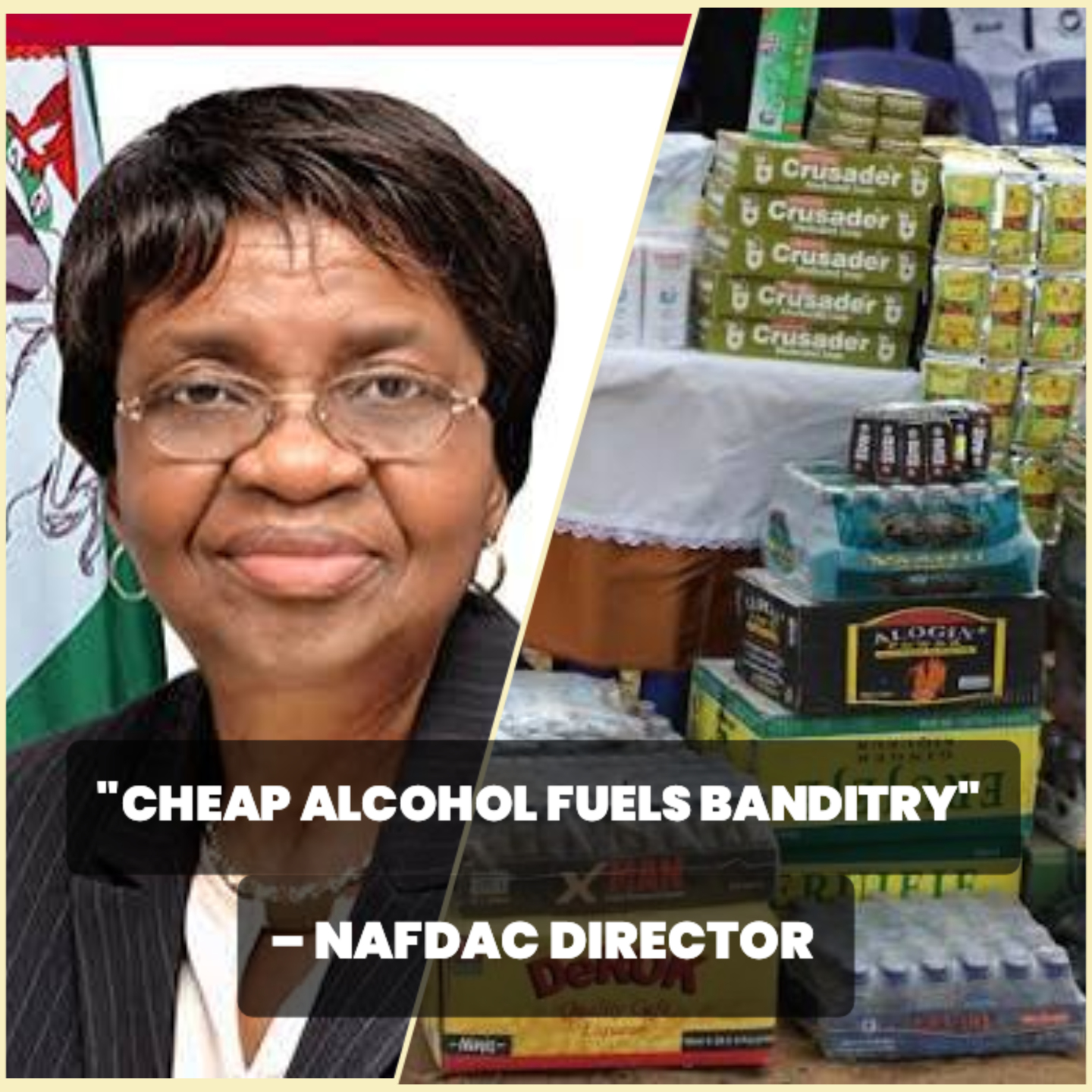
Nigeria’s top food and drug regulator has linked the widespread availability of pocket-sized alcohol directly to violent crime and a mounting public health crisis.
-

 metro2 days ago
Woman disguises as Muslim woman in Niqab to steal in Ado-Ekiti market, video sparks outrage
-

 metro3 days ago
Police Arrest Woman Over Fake OPay Shutdown Notice
-

 metro3 days ago
Residents Cry Out Over Poorly Constructed Entrance of Ademola Abiola Street, Demand Urgent Intervention
-
 Politics3 days ago
Remi Tinubu Appeals To South-East Voters, Says She Wants To ‘Enjoy Nigeria’ In Old Age
-

 metro1 day ago
Ondo Herbal Drink Tragedy: Survivor Vows Never to Drink Again as Death Toll Tops 30
-
 Business23 hours ago
Dangote: ₦525 Refinery Shares Could Rise to ₦10,000
-

 metro1 day ago
Sokoto Cleric Stabbed Twice in Neck After Juma’at Prayer, Attacker Killed
-
 Politics3 days ago
Breaking the Cycle of Collective Guilt: When a Ruling Party Voice Backs Peter Obi